+91 9898181101
 +1 (647) 971-4687
WordPress Website Development Cost in 2026
In 2026, having a professional website is no longer optional for businesses looking to compete in a digital-first economy. Whether you’re a startup launching a new brand, an SME expanding your online presence, or an enterprise modernizing customer experiences, WordPress remains one of the most trusted and cost-effective website development platforms available.
Powering a significant share of websites worldwide, WordPress continues to evolve with advanced customization capabilities, AI-powered tools, improved security frameworks, and seamless integrations. However, one question remains at the center of every project discussion: How much does WordPress website development cost in 2026?
The answer depends on several factors, including website complexity, design requirements, functionality, integrations, scalability needs, and ongoing maintenance. While some businesses can launch a professional website with a relatively modest budget, others may require custom enterprise solutions that involve significantly larger investments.
In this comprehensive guide, we’ll break down WordPress website development costs in 2026, explore pricing factors, discuss market trends, and help business leaders make informed decisions before starting their next digital project.
Why WordPress Remains a Leading Choice in 2026
WordPress has maintained its dominance because of its flexibility, scalability, and extensive ecosystem. Businesses across industries use WordPress to create everything from simple corporate websites to complex enterprise portals and ecommerce platforms.
Recent industry reports indicate that WordPress continues to power more than 40% of websites globally, making it the most widely adopted content management system available today. Its open-source architecture allows businesses to customize virtually every aspect of their digital presence while maintaining full ownership of their website.
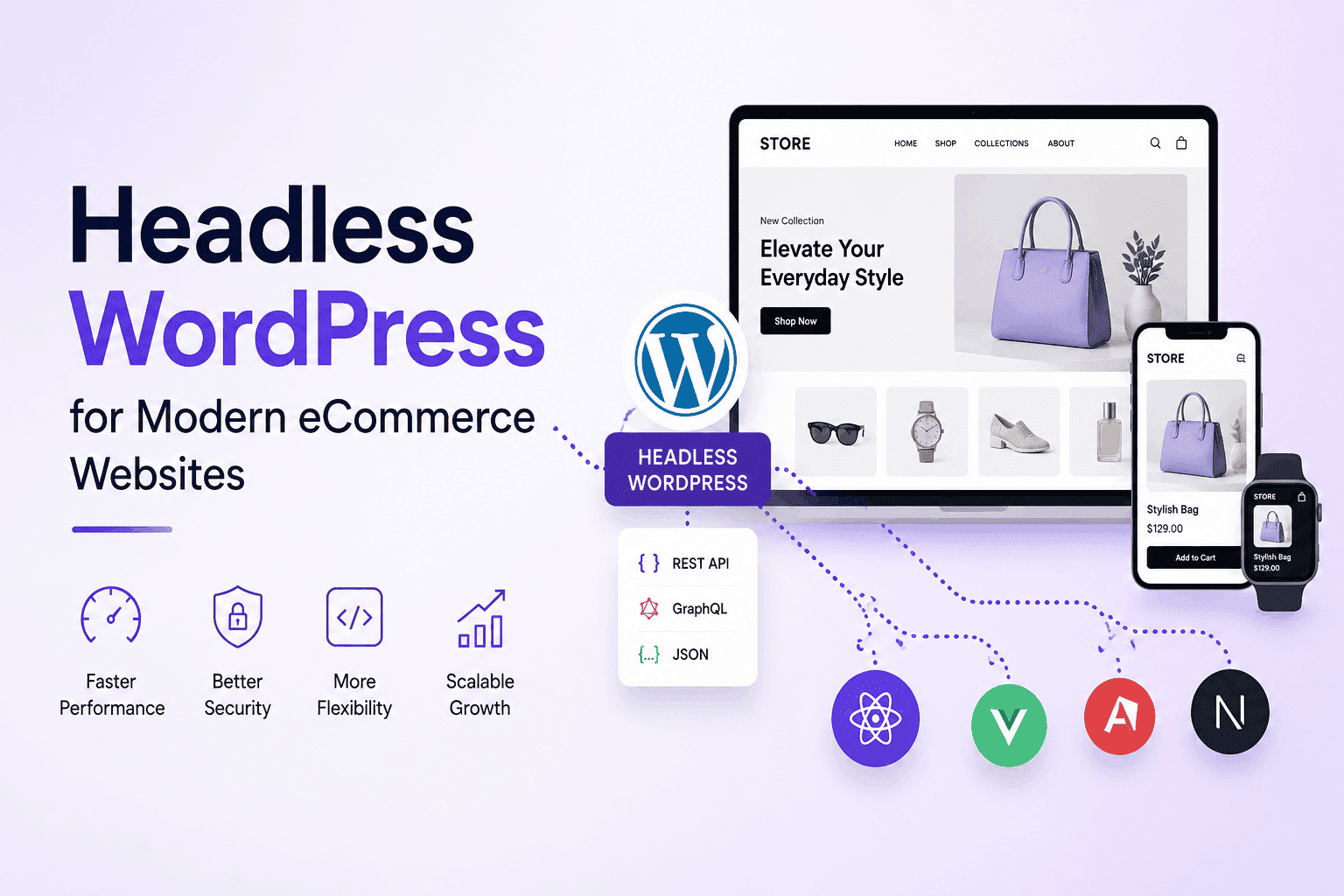
Additionally, the rise of AI-assisted development, automation tools, and headless architecture options has made WordPress even more attractive for organizations planning long-term digital transformation initiatives.
Average WordPress Website Development Cost in 2026
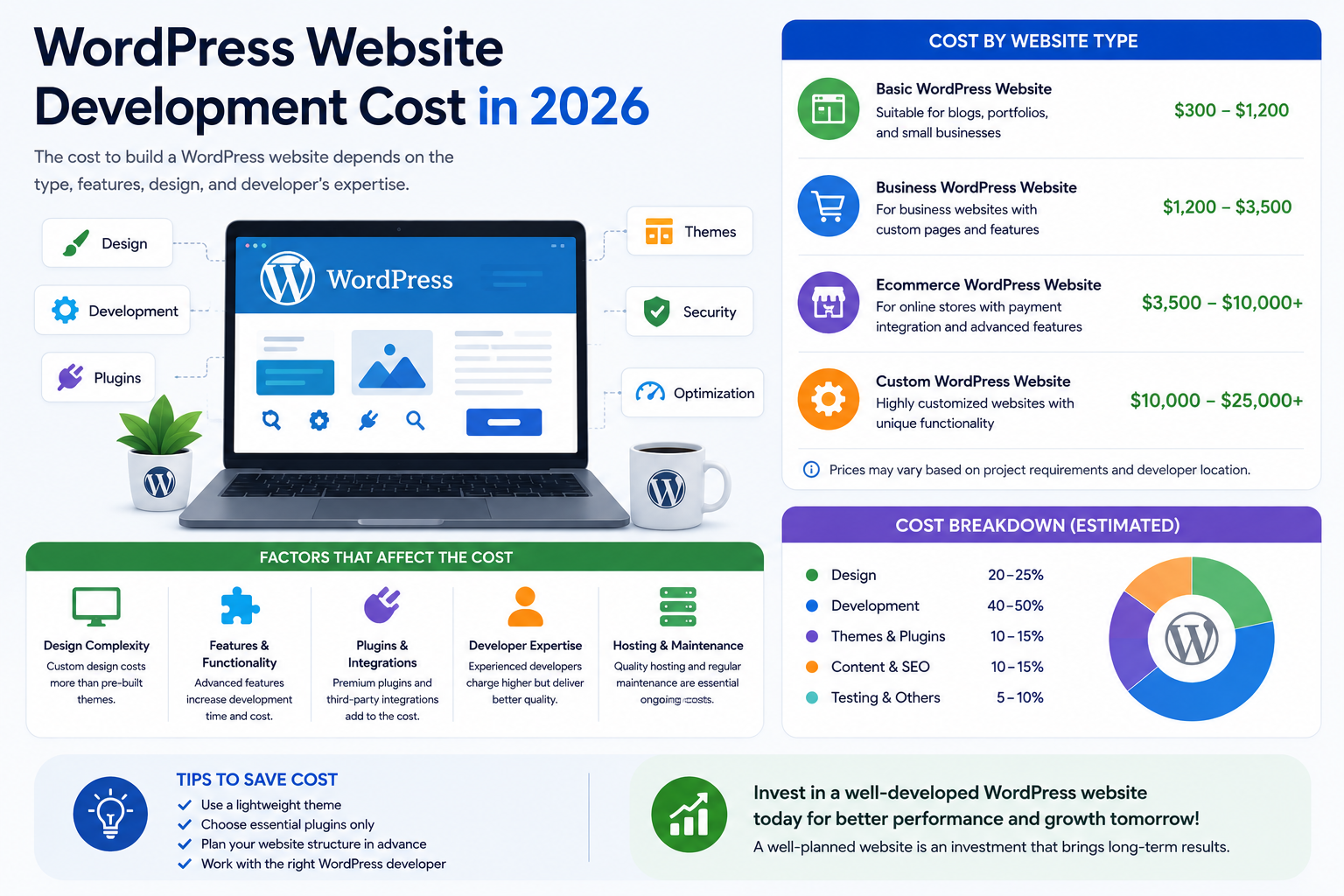
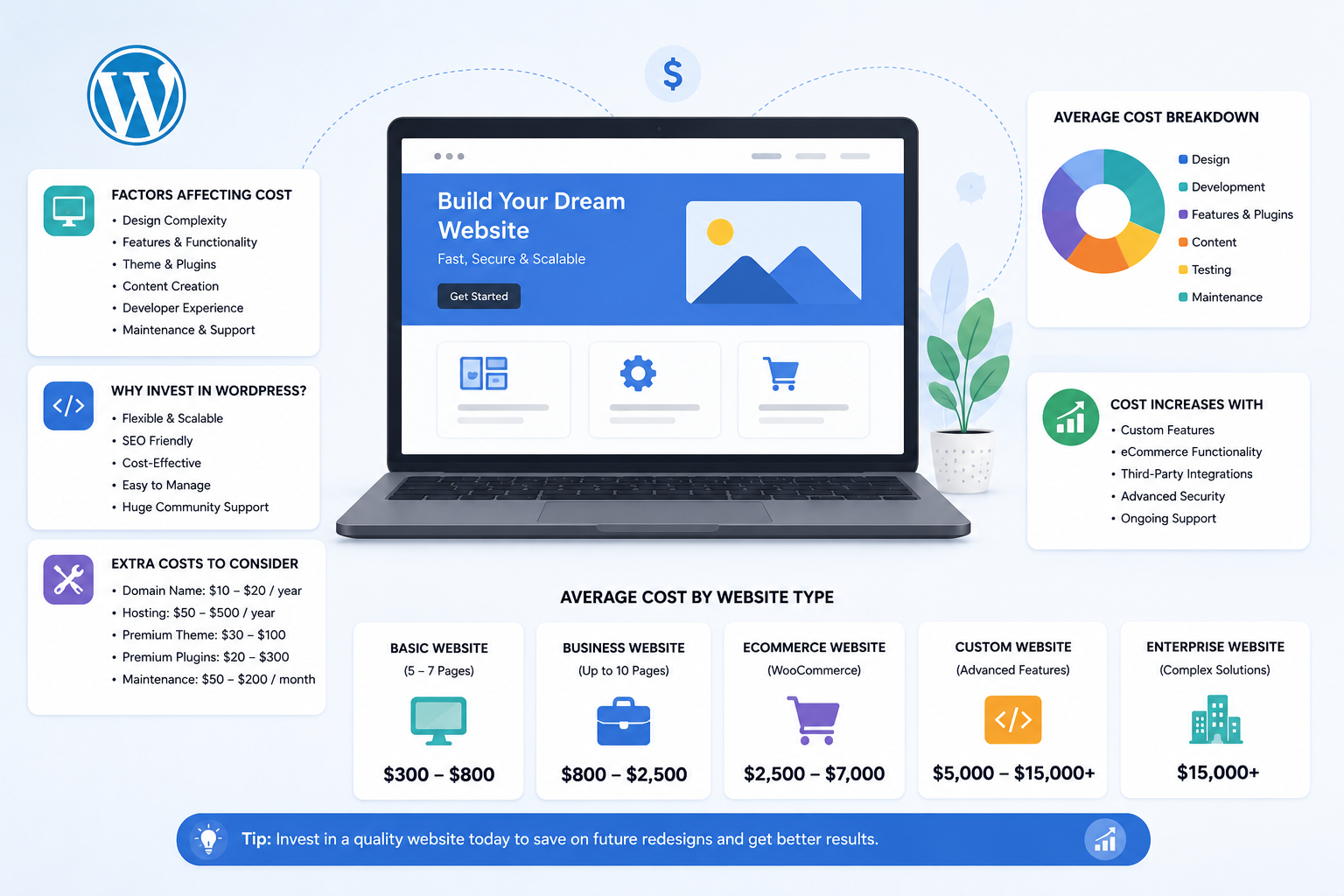
The cost of WordPress website development varies significantly depending on project scope and business requirements. A basic website may require only a few thousand dollars, while enterprise-grade solutions can exceed tens of thousands.
Generally, businesses can expect the following pricing ranges in 2026:
- Basic business website: $1,500 – $5,000
- Professional corporate website: $5,000 – $15,000
- Custom business platform: $15,000 – $40,000
- Enterprise WordPress solution: $40,000+
- Ongoing maintenance and support: $100 – $2,000+ per month
These estimates provide a broad overview, but the final investment depends on the specific goals and technical requirements of each organization.
Key Factors That Influence WordPress Development Costs
Website Design Requirements
Design is one of the most important cost drivers in any WordPress project. Businesses can choose between pre-built themes and fully custom designs.
A premium theme may significantly reduce upfront costs, making it suitable for startups and smaller businesses. However, enterprises often prefer custom UI/UX design to create unique customer experiences and maintain brand consistency across digital channels.
Custom design projects involve wireframing, user research, interface design, responsive optimization, and accessibility compliance, all of which increase project investment.
Custom Development Complexity
The more customized a website becomes, the higher the development cost. Standard pages such as Home, About Us, Services, and Contact require minimal development effort.
However, advanced functionality such as membership systems, booking engines, custom dashboards, learning management systems, customer portals, and API integrations requires specialized expertise.
Custom coding typically represents a significant portion of the overall development budget, especially for businesses with unique operational requirements.
Content Management and Migration
Many organizations migrate from outdated websites or legacy platforms when moving to WordPress. Content migration involves transferring pages, blogs, images, metadata, SEO structures, and user data.
For large enterprises with hundreds or thousands of pages, migration can become a substantial project component requiring detailed planning and quality assurance.
The complexity of migration often influences both development timelines and overall project costs.
Domain, Hosting, and Infrastructure Costs
Although WordPress itself is free, businesses must invest in reliable hosting infrastructure to ensure optimal website performance.
Domain Registration
Domain registration costs remain relatively affordable in 2026. Most business domains range between $10 and $50 annually depending on the extension and registrar.
Hosting Solutions
Hosting requirements vary based on website traffic, performance expectations, and security needs.
Small business websites may operate effectively on managed WordPress hosting, while enterprise organizations often deploy websites on cloud infrastructure such as Amazon Web Services or Google Cloud.
Monthly hosting expenses typically range from $20 for small websites to several thousand dollars for enterprise environments with high traffic demands.
Plugin and Extension Costs
One of WordPress’s greatest strengths is its extensive plugin ecosystem. Plugins enable businesses to add functionality without developing features from scratch.
While many plugins offer free versions, premium solutions often provide enhanced capabilities, dedicated support, and better security.
Common premium plugin categories include SEO optimization, security management, performance enhancement, marketing automation, ecommerce functionality, and customer relationship management integrations.
Businesses should budget anywhere from $200 to several thousand dollars annually for premium plugins depending on project complexity.
WordPress Ecommerce Development Costs
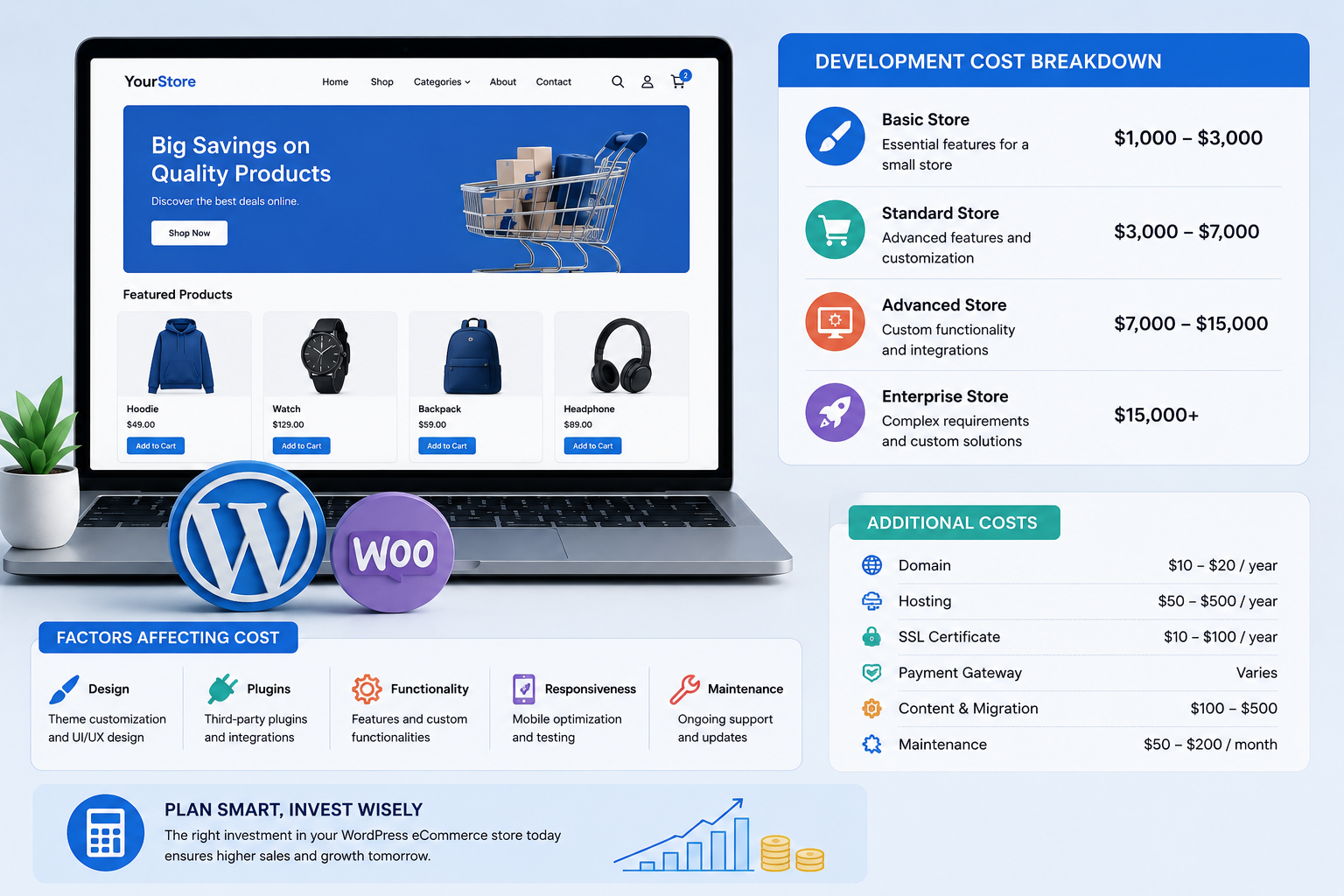
Ecommerce continues to be one of the fastest-growing segments of WordPress development. Businesses increasingly use WooCommerce to build scalable online stores capable of handling complex product catalogs and transactions.
The cost of ecommerce website development depends on factors such as product volume, payment gateway integrations, inventory management, shipping systems, and third-party applications.
A basic WooCommerce store may cost between $5,000 and $15,000, while advanced ecommerce ecosystems can exceed $50,000 when custom functionality and enterprise integrations are required.
Organizations planning online selling should carefully evaluate future growth requirements before selecting their development approach.
Enterprise WordPress Development Pricing
Enterprise organizations often require significantly more than a standard website. Their projects frequently involve multiple stakeholders, complex workflows, advanced security requirements, and extensive integration ecosystems.
Enterprise WordPress solutions may include:
- Multi-site architecture
- CRM and ERP integrations
- Advanced user permissions
- High-performance cloud infrastructure
- Custom business applications
Because of these requirements, enterprise development projects often begin at $40,000 and can extend well beyond six figures depending on business objectives.
The investment is typically justified by improved operational efficiency, enhanced customer experiences, and stronger digital scalability.
Maintenance and Ongoing Support Costs
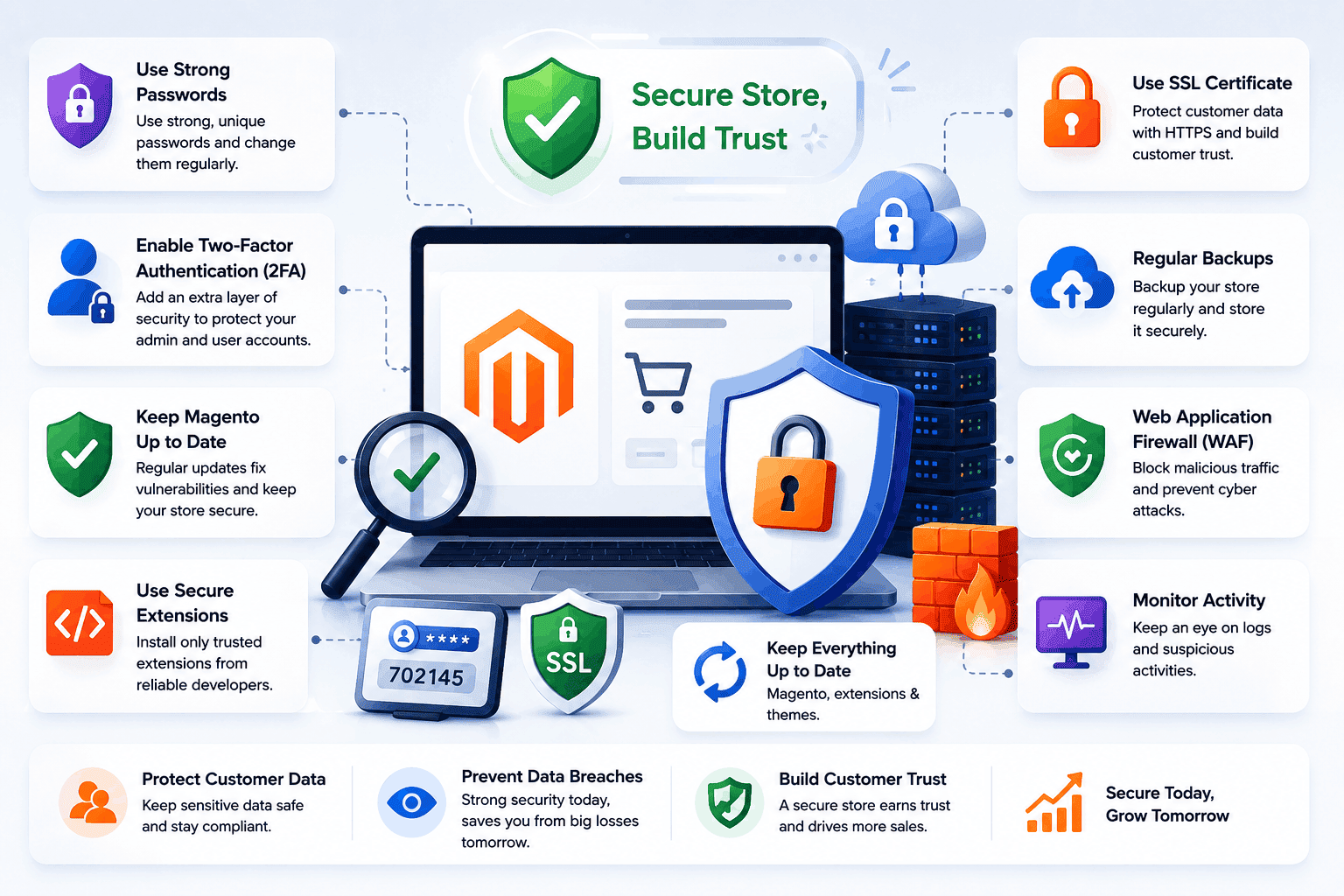
Website development is only the beginning of the journey. Businesses must also consider long-term maintenance expenses to keep their websites secure, updated, and optimized.
Regular maintenance typically includes software updates, security monitoring, performance optimization, plugin management, backups, and technical support.
According to recommendations from WordPress.org, keeping themes, plugins, and core files updated is essential for maintaining website security and performance.
Monthly maintenance packages in 2026 generally range from $100 for small websites to several thousand dollars for enterprise platforms requiring continuous monitoring and support.
How AI is Impacting WordPress Development Costs
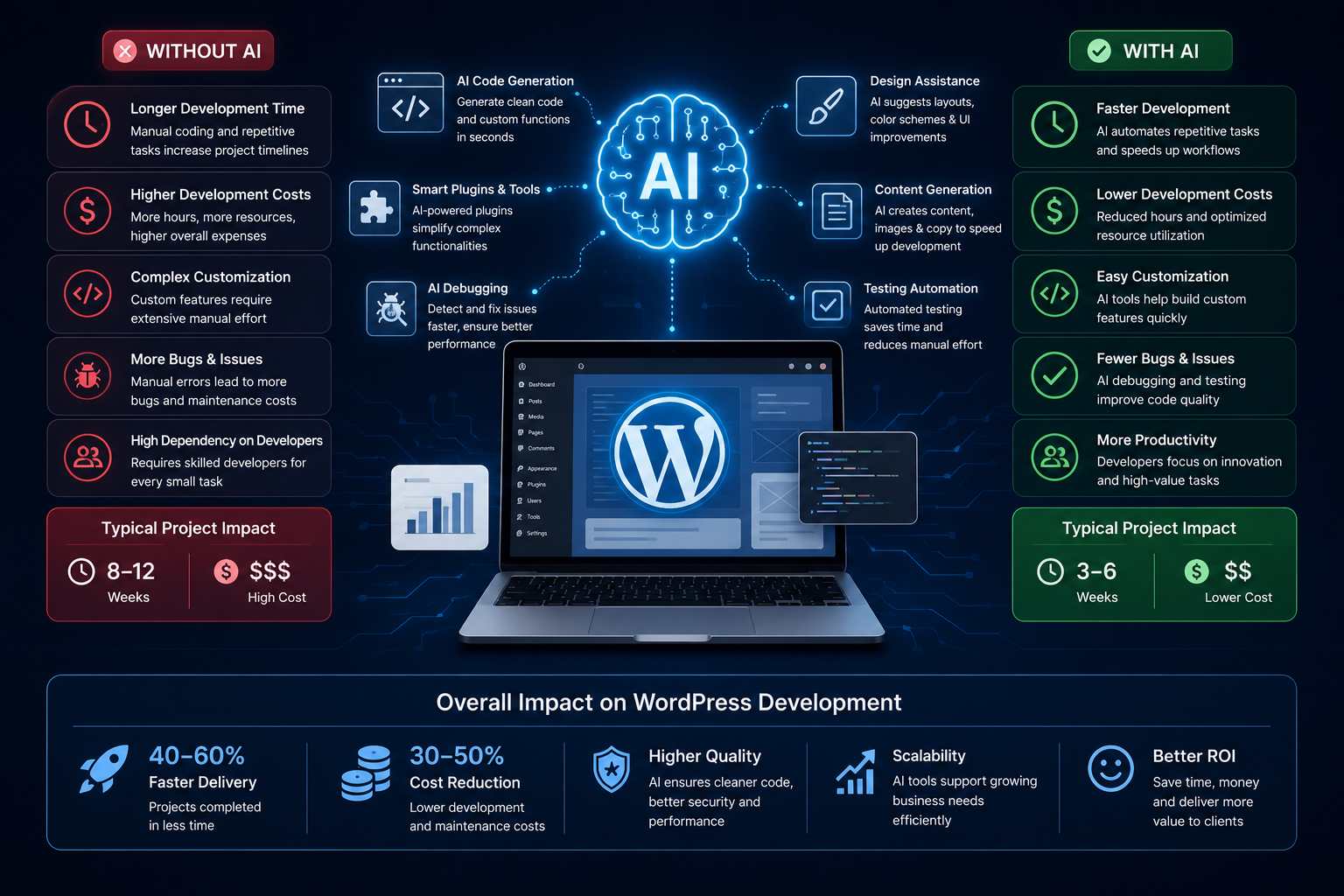
Artificial intelligence is reshaping the WordPress development landscape in 2026. AI-powered tools now assist with coding, testing, content creation, SEO optimization, accessibility compliance, and performance improvements.
For businesses, this trend creates opportunities to reduce development timelines and improve operational efficiency. Tasks that previously required extensive manual effort can now be completed significantly faster.
However, AI does not eliminate the need for experienced developers, designers, and strategists. Human expertise remains essential for architecture planning, custom functionality, security implementation, and user experience design.
As a result, AI is helping optimize development processes rather than replacing professional website development services.
Hidden Costs Businesses Often Overlook
When budgeting for a WordPress website, organizations often focus exclusively on design and development while overlooking additional expenses that can affect total project investment.
Content Creation
Professional copywriting, visual assets, videos, and brand messaging often require separate budgets. High-quality content plays a critical role in website performance and conversion optimization.
SEO Implementation
Search engine optimization is essential for long-term visibility. Technical SEO, content optimization, keyword research, and structured data implementation may involve additional costs.
Third-Party Integrations
Many businesses require integrations with marketing platforms, CRMs, payment gateways, customer support systems, analytics tools, and enterprise applications.
Each integration can introduce additional development complexity and associated costs.
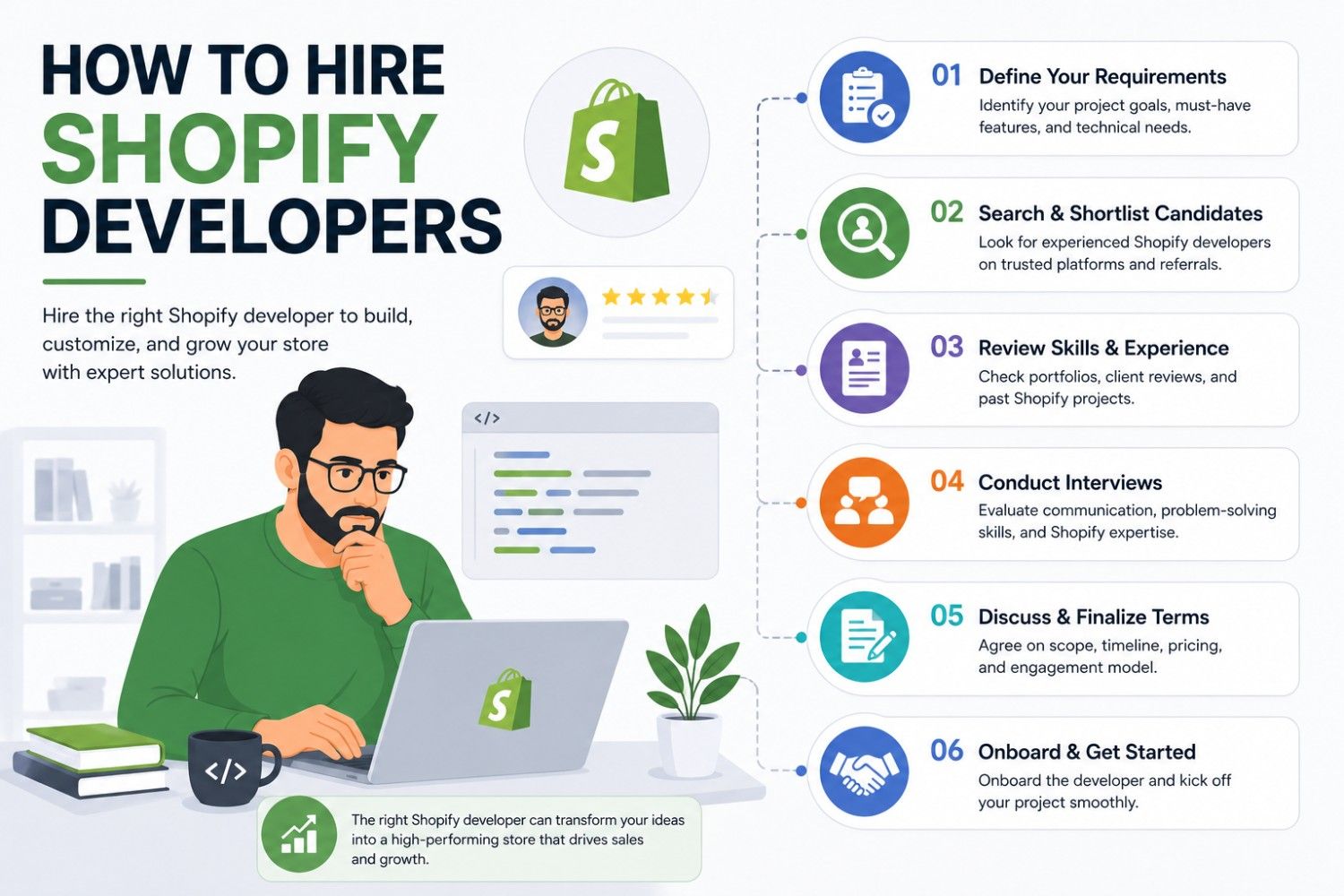
Should You Use a Freelancer, Agency, or Development Partner?
Choosing the right development resource can significantly impact project outcomes. Freelancers often provide affordable solutions for smaller projects but may have limited capacity for complex requirements.
Agencies typically offer broader expertise, including design, development, SEO, content strategy, and ongoing support. This makes them a popular choice for growing businesses seeking end-to-end services.
For enterprises and organizations undergoing digital transformation, partnering with an experienced technology company often provides the best balance of scalability, governance, security, and long-term support.
If you’re evaluating WordPress development services, exploring a dedicated WordPress Development Company can help you understand the full scope of technical capabilities available for your project.
Tips for Reducing WordPress Development Costs
Reducing costs does not necessarily mean sacrificing quality. Strategic planning can help businesses maximize value while staying within budget.
Start with Clear Requirements
Clearly defining project goals, features, user journeys, and integrations helps prevent scope changes and unnecessary development expenses.
Prioritize Essential Features
Launching with a minimum viable website allows organizations to validate business objectives before investing in additional functionality.
Invest in Scalability
Choosing scalable architecture from the beginning reduces future redevelopment costs and supports long-term growth.
A well-planned website often delivers significantly better ROI than a low-cost solution requiring constant fixes and upgrades.
WordPress Development Cost Trends for 2026 and Beyond
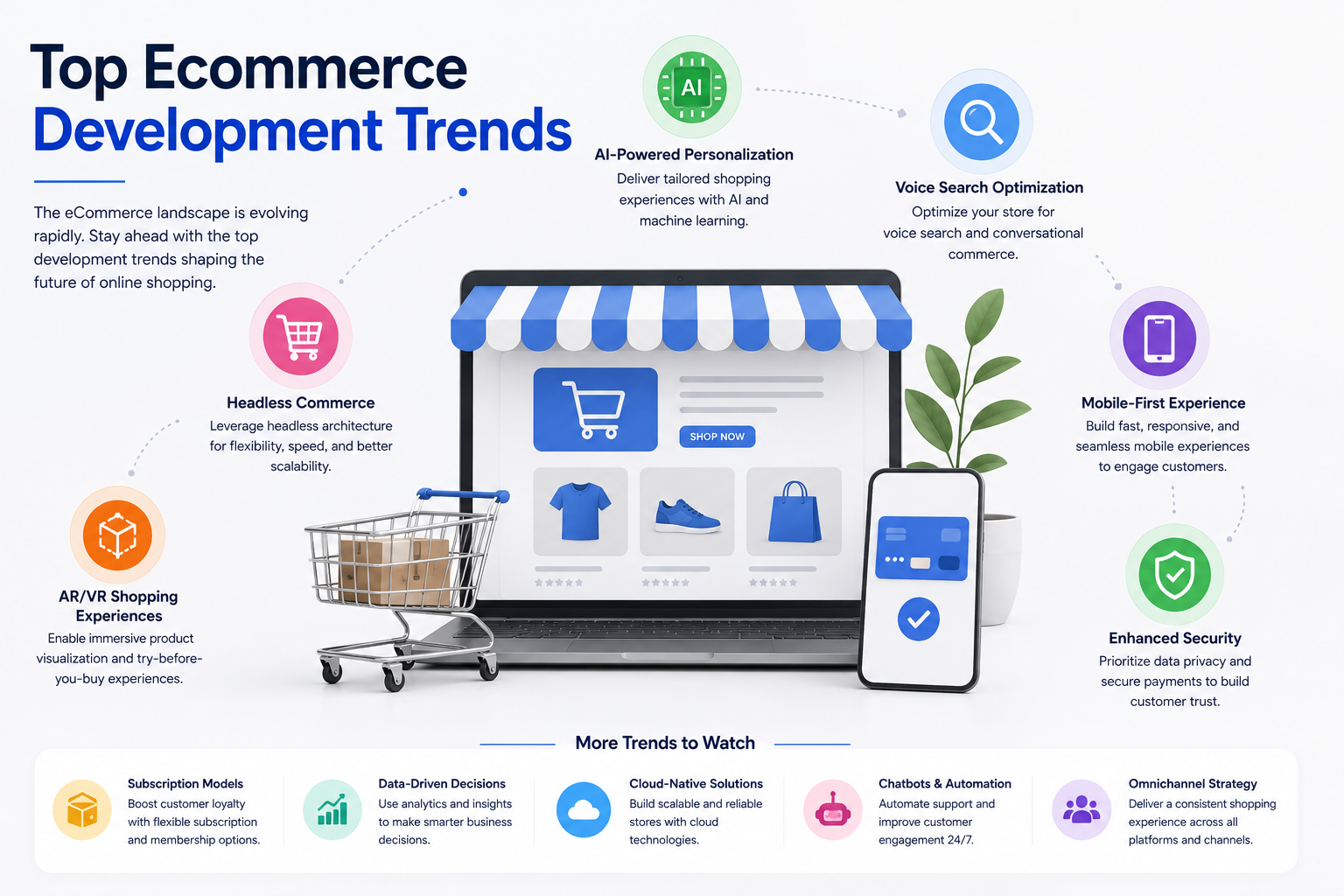
Several trends are shaping website development costs in 2026. Businesses increasingly demand personalized digital experiences, AI-powered functionality, stronger security frameworks, and omnichannel integrations.
At the same time, advancements in development tools continue improving efficiency and reducing implementation timelines. This balance creates a market where businesses can access more sophisticated solutions while maintaining cost control.
Organizations investing in modern WordPress ecosystems today are positioning themselves for future scalability, improved customer engagement, and stronger competitive advantages.
Conclusion
WordPress website development costs in 2026 vary widely based on business objectives, technical requirements, design complexity, integrations, and scalability needs. While smaller businesses may launch effective websites with modest budgets, enterprises often require significant investments to support advanced functionality and digital transformation initiatives.
The key to maximizing ROI is not simply finding the lowest-cost provider but selecting the right technology partner capable of delivering a secure, scalable, and future-ready solution. A professionally developed WordPress website can become a powerful business asset that drives growth, strengthens brand credibility, and improves customer engagement for years to come.
Whether you’re launching a startup website, modernizing an existing platform, or building an enterprise digital ecosystem, investing in the right development strategy today can create substantial long-term business value.