+91 9898181101
 +1 (647) 971-4687
Shopify Store Development Cost Breakdown for Small Business
Launching an ecommerce business has never been more accessible, and Shopify continues to be one of the most popular platforms for entrepreneurs, startups, and growing brands. Its ease of use, scalability, and extensive ecosystem make it a preferred choice for businesses looking to establish a strong online presence.
However, one of the most common questions business owners ask before starting their ecommerce journey is: How much does Shopify store development cost? The answer depends on several factors, including store complexity, design requirements, integrations, custom features, and ongoing maintenance.
Understanding these costs in advance helps companies make informed decisions, allocate budgets effectively, and avoid unexpected expenses. Whether you’re a startup launching your first online store or an established company planning digital transformation, this guide provides a comprehensive breakdown of Shopify store development costs for small businesses.
Why Shopify Is a Popular Choice for Small Businesses
Shopify powers millions of online stores worldwide and has become one of the leading ecommerce platforms in the market. According to industry reports, global ecommerce sales continue to grow steadily, making online retail an essential channel for businesses seeking long-term growth.
The platform offers a balance between simplicity and flexibility. Business owners can quickly launch stores using pre-built themes while still having the option to create highly customized shopping experiences through professional development services.
For small businesses, Shopify eliminates many technical challenges associated with hosting, security, and platform maintenance, allowing teams to focus on sales, marketing, and customer experience.
Key Factors That Influence Shopify Development Costs
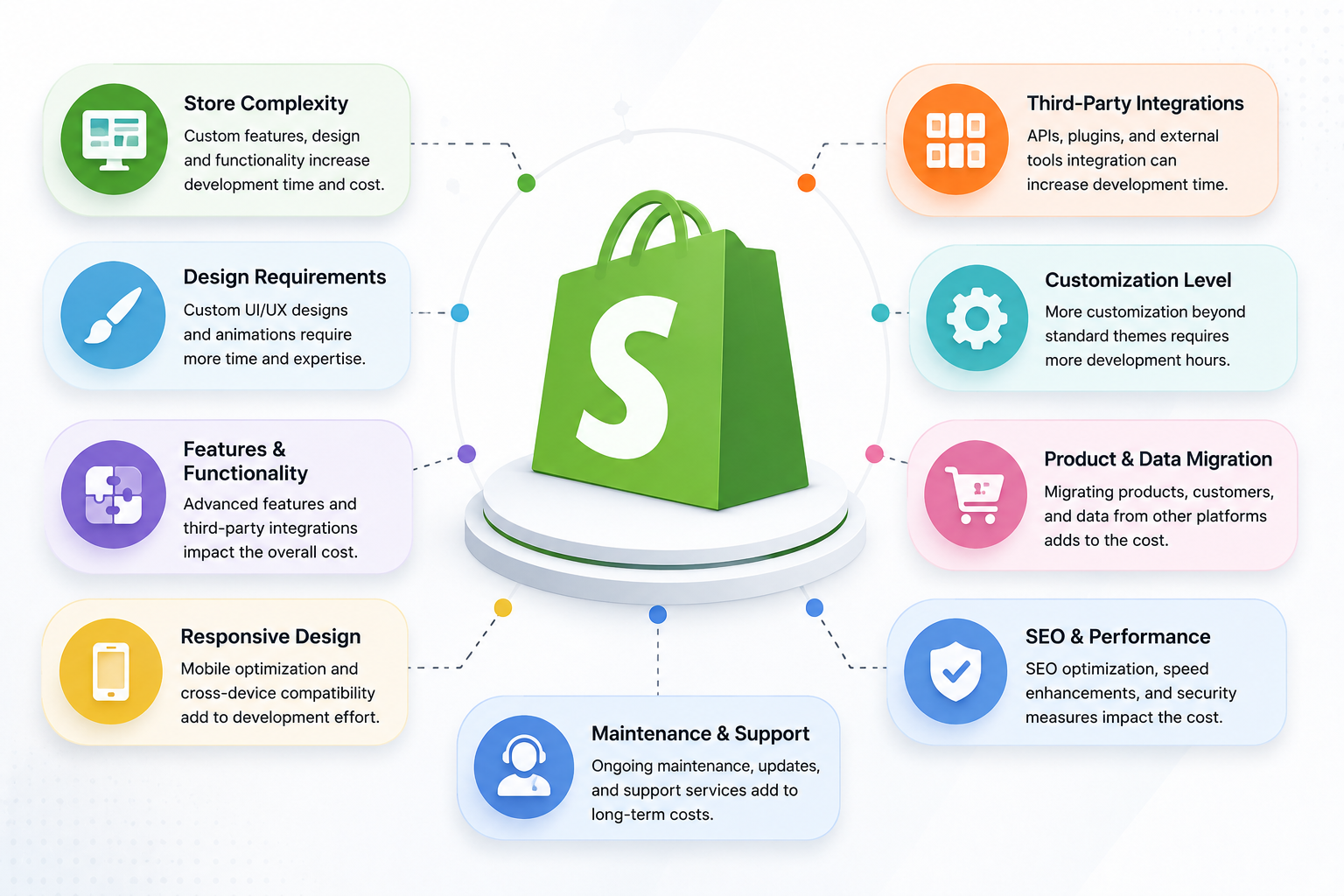
Before discussing actual numbers, it is important to understand what influences the overall cost of a Shopify project. Every business has unique requirements, and development expenses can vary significantly based on project scope.
The final investment typically depends on design customization, store functionality, third-party integrations, content migration, and long-term support requirements.
Business Goals and Store Complexity
A simple Shopify store with a small product catalog requires far less development effort than a multi-category ecommerce platform with advanced filtering, subscriptions, custom checkout experiences, and ERP integrations.
Businesses planning rapid growth often invest in scalable architectures from the beginning to avoid costly redesigns later.
Design Requirements
Store design significantly impacts development costs. Some companies choose ready-made Shopify themes, while others require fully custom user experiences aligned with their branding strategy.
Custom designs typically involve UI/UX research, wireframing, prototyping, and frontend development, resulting in higher investment but stronger brand differentiation.
Custom Features and Integrations
Advanced ecommerce functionality often requires integration with payment gateways, CRM systems, inventory management software, marketing automation platforms, and shipping providers.
The more systems that need to communicate with Shopify, the greater the development effort and associated costs.
Shopify Subscription Costs
The first cost component is Shopify’s monthly subscription fee. Businesses can choose a plan based on their operational requirements and expected sales volume.
Current Shopify plans and pricing details can be viewed directly on Shopify’s official pricing page.
For most small businesses, the Basic or Shopify plan provides sufficient functionality to launch and grow an online store effectively.
Subscription costs should be considered the foundation of your ecommerce investment, but they represent only a small portion of the total development budget.
Domain and Hosting Costs
One advantage of Shopify is that hosting is included in the platform subscription. Businesses do not need to purchase separate hosting infrastructure or manage server maintenance.
However, a professional domain name remains an additional expense. Domain registration costs generally range from $10 to $50 annually depending on the domain extension and provider.
Premium domain names may cost significantly more, especially for highly competitive keywords or short brand names.
Shopify Theme Costs
Free Themes
Shopify offers several free themes suitable for startups and small businesses operating with limited budgets. These themes provide responsive layouts, mobile optimization, and essential ecommerce functionality.
While free themes reduce initial costs, customization options may be more limited compared to premium alternatives.
Premium Themes
Premium Shopify themes typically range from $150 to $500 as a one-time purchase. They often include advanced design elements, enhanced navigation, and industry-specific features.
Many small businesses choose premium themes because they offer a professional appearance without requiring extensive custom development.
Custom Theme Development
Businesses seeking a unique brand experience often invest in custom Shopify theme development. Depending on complexity, costs may range from $2,000 to $15,000 or more.
Although the investment is higher, custom themes provide complete flexibility and can improve user engagement, conversions, and long-term scalability.
Shopify Store Development Costs
This is where the majority of ecommerce project expenses are allocated. Development costs vary depending on functionality, design requirements, and integration complexity.
Basic Shopify Store Development
A basic Shopify store with standard pages, product setup, payment gateway configuration, and theme customization typically costs between $1,000 and $5,000.
This option is ideal for startups and small businesses seeking a fast market entry with minimal customization.
Mid-Level Shopify Development
Businesses requiring custom layouts, advanced navigation, enhanced user experiences, and third-party integrations can expect costs ranging from $5,000 to $15,000.
This category represents the most common investment range for growing ecommerce businesses.
Advanced Shopify Development
Complex ecommerce stores with custom applications, automation workflows, ERP integrations, subscription functionality, and personalized customer experiences often exceed $15,000 to $50,000.
Enterprise-level implementations may require significantly larger budgets depending on technical requirements.

App and Plugin Expenses
Shopify’s extensive app ecosystem enables businesses to add functionality without building everything from scratch. Popular categories include marketing, customer support, SEO, analytics, inventory management, and shipping automation.
Many apps operate on monthly subscription models ranging from a few dollars to several hundred dollars per month.
Businesses should evaluate app costs carefully because recurring subscriptions can accumulate over time.
- Email marketing automation tools
- Advanced SEO optimization solutions
- Customer review management platforms
- Inventory and warehouse integrations
- Loyalty and rewards program applications
For businesses seeking extensive customization, custom app development may be required, resulting in additional project costs.
Content Creation and Product Setup Costs
A successful ecommerce store requires more than technical development. Product descriptions, category pages, imagery, and brand content all contribute to customer trust and search engine visibility.
Businesses migrating from other platforms may also require data migration services, including product catalogs, customer records, and order history.
Depending on catalog size and content requirements, setup costs can range from a few hundred dollars to several thousand dollars.
SEO and Marketing Setup Costs
Launching a Shopify store is only the first step. Attracting visitors and generating sales requires ongoing marketing and optimization.
Many companies invest in SEO during development to establish a strong foundation for organic growth. Resources from Google’s SEO Starter Guide provide valuable insights into search engine best practices.
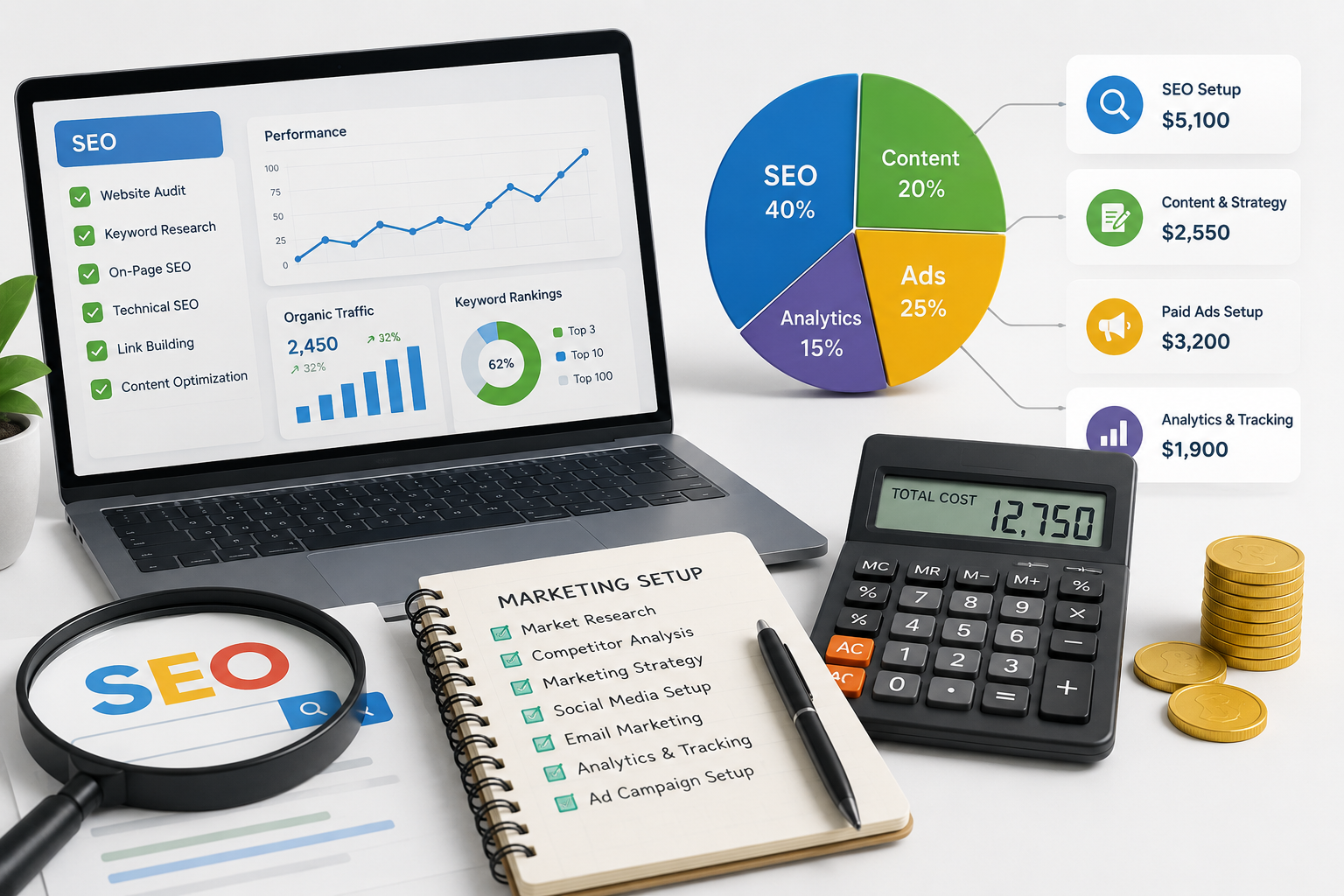
SEO setup may include technical optimization, metadata implementation, content structuring, keyword targeting, and performance enhancements.
Professional SEO implementation typically ranges from $500 to $5,000 depending on business goals and competition levels.
Ongoing Maintenance and Support Costs
Shopify simplifies maintenance compared to self-hosted ecommerce platforms, but businesses still require ongoing support for updates, app management, performance optimization, and feature enhancements.
Many organizations partner with experienced Shopify developers to ensure smooth operations and continuous improvement.
Monthly maintenance costs commonly range between $100 and $2,000 depending on support requirements and store complexity.
Estimated Shopify Development Cost Breakdown
To provide a clearer perspective, a typical small business Shopify project may include the following investment areas:
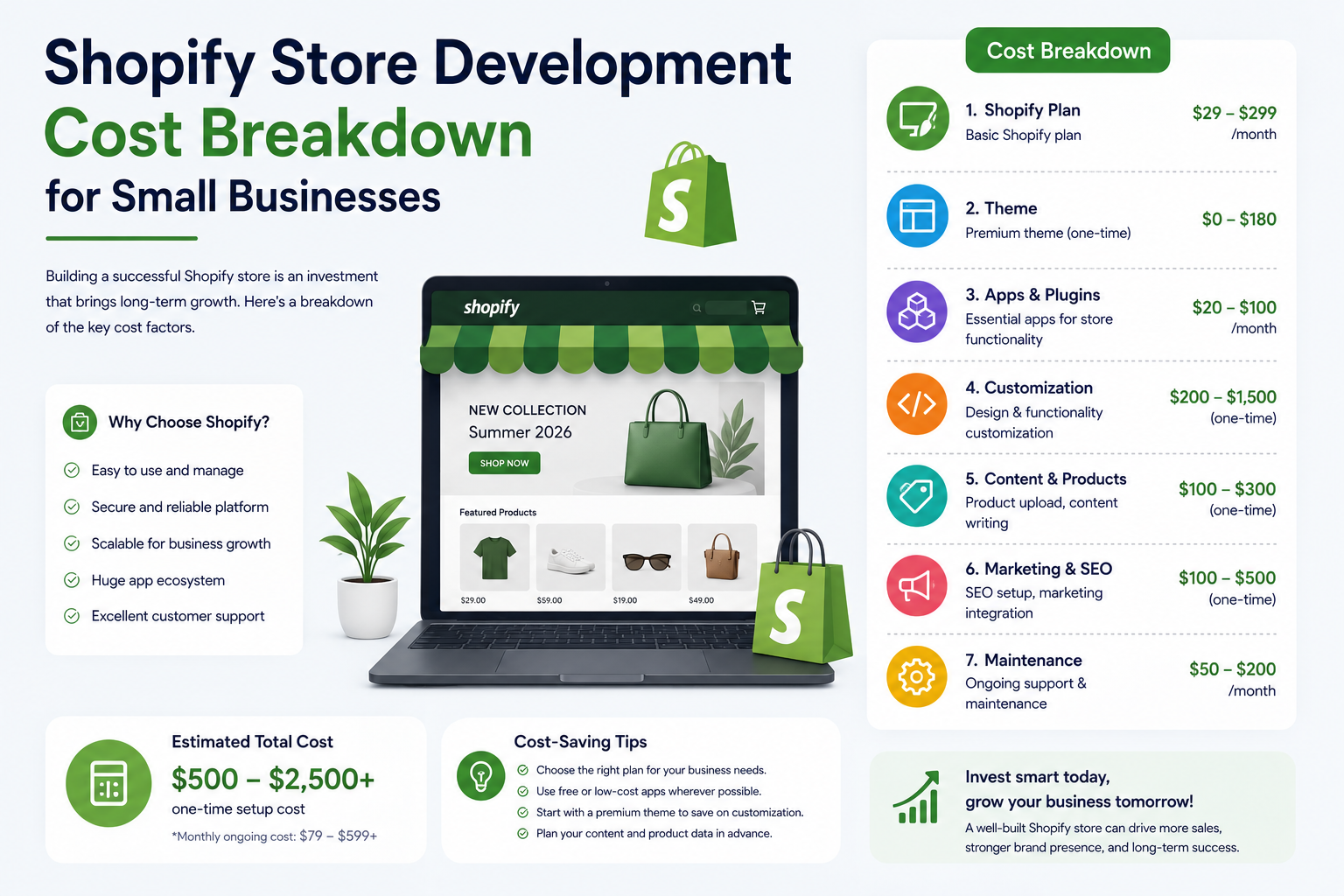
Shopify Subscription: $39–$105 per month
Domain Registration: $10–$50 annually
Premium Theme: $150–$500 one-time
Development Services: $1,000–$15,000+
Apps and Integrations: $20–$500+ monthly
SEO and Marketing Setup: $500–$5,000+
Ongoing Maintenance: $100–$2,000 monthly
For many small businesses, a realistic initial investment falls between $3,000 and $10,000, while more advanced stores often require larger budgets.
Should You Hire a Shopify Development Partner?
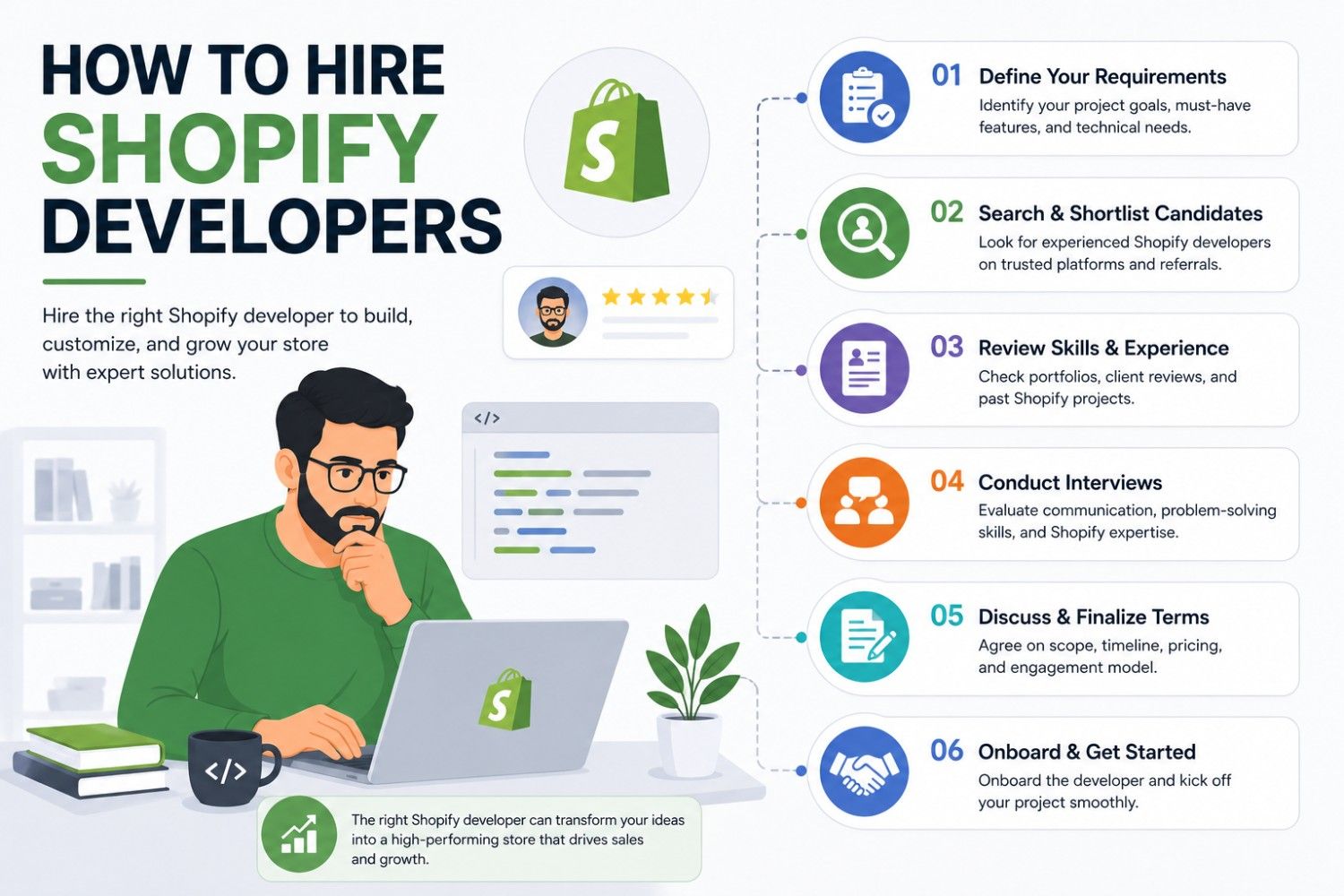
While Shopify offers user-friendly tools, professional development expertise can significantly improve project outcomes. Experienced developers help businesses avoid costly mistakes, optimize performance, and create conversion-focused shopping experiences.
A reliable technology partner also ensures scalability, allowing your store to evolve alongside business growth.
If you’re considering professional Shopify implementation, explore our Shopify Development Services to learn how expert development can accelerate your ecommerce success.
Additionally, businesses can explore ecommerce best practices and industry insights from Shopify’s official blog.
How to Reduce Shopify Development Costs Without Compromising Quality
Cost optimization does not necessarily mean sacrificing quality. Strategic planning can help businesses maximize ROI while maintaining a professional online presence.
Start by identifying essential features for launch and prioritize advanced functionality for future phases. This approach enables faster deployment and better budget control.
Choosing experienced Shopify developers also reduces the risk of rework, delays, and technical issues that often increase overall project costs.
Most importantly, focus on long-term business value rather than selecting the lowest-cost provider available.
Conclusion
Shopify remains one of the most effective ecommerce platforms for startups, SMEs, and growing enterprises. Its flexibility, scalability, and extensive ecosystem make it an excellent investment for businesses looking to establish or expand their digital presence.
The total cost of Shopify store development depends on multiple factors, including subscription plans, design requirements, custom development, integrations, SEO, and ongoing support. While basic stores can launch with relatively modest budgets, businesses seeking competitive advantages often invest in custom experiences that drive growth and customer engagement.
Understanding these cost components helps organizations make informed decisions and build realistic ecommerce budgets. With the right strategy and development partner, Shopify can become a powerful foundation for long-term online success.
Ready to Build a High-Performing Shopify Store?
Whether you’re a startup launching your first ecommerce business or an established company pursuing digital transformation, choosing the right technology partner is critical. A skilled Shopify development team can help you reduce risks, accelerate time-to-market, and create a scalable online store designed for growth.
Partner with experienced Shopify experts to transform your ecommerce vision into a revenue-generating digital experience that delivers measurable business results.