+91 9898181101
 +1 (647) 971-4687
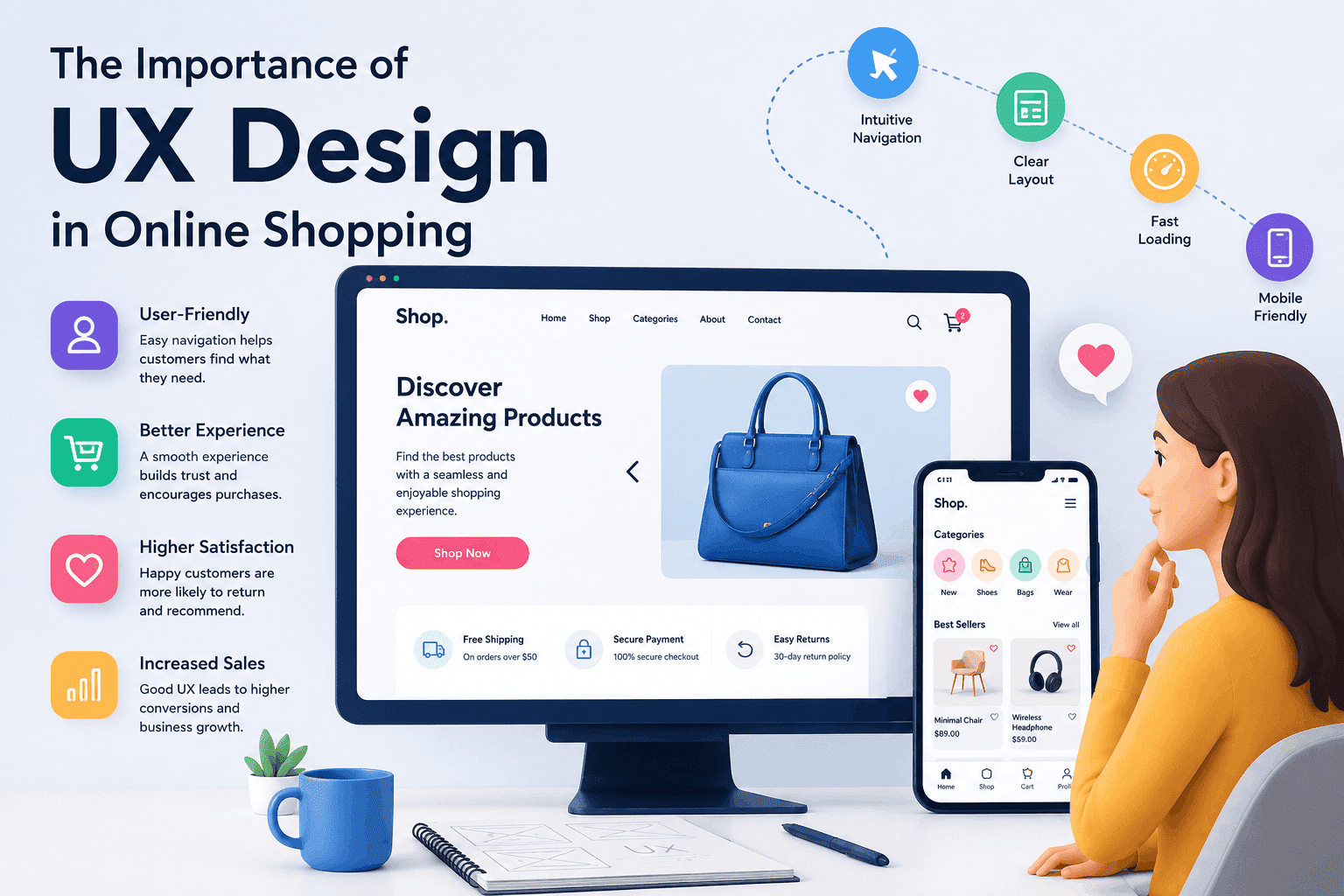
The Importance of UX Design in Online Shopping
The online shopping industry has become more competitive than ever. Consumers today have countless options available at their fingertips, making it easier to switch from one online store to another within seconds. While product quality and pricing remain important, the overall shopping experience often determines whether customers stay, purchase, and return. This is where User Experience (UX) design plays a crucial role in eCommerce success.
UX design refers to the process of creating websites and digital experiences that are easy, enjoyable, and efficient for users. In online shopping, UX design focuses on helping customers find products quickly, understand information clearly, and complete purchases without frustration. A well-designed shopping experience can significantly influence buying decisions and customer loyalty.
Many businesses invest heavily in marketing campaigns to attract visitors, but they often overlook the importance of what happens once customers arrive on their website. If navigation is confusing, pages load slowly, or the checkout process feels complicated, potential buyers may leave without making a purchase. Therefore, understanding and improving UX design is essential for any business that wants to succeed in the digital marketplace.
Understanding UX Design in eCommerce
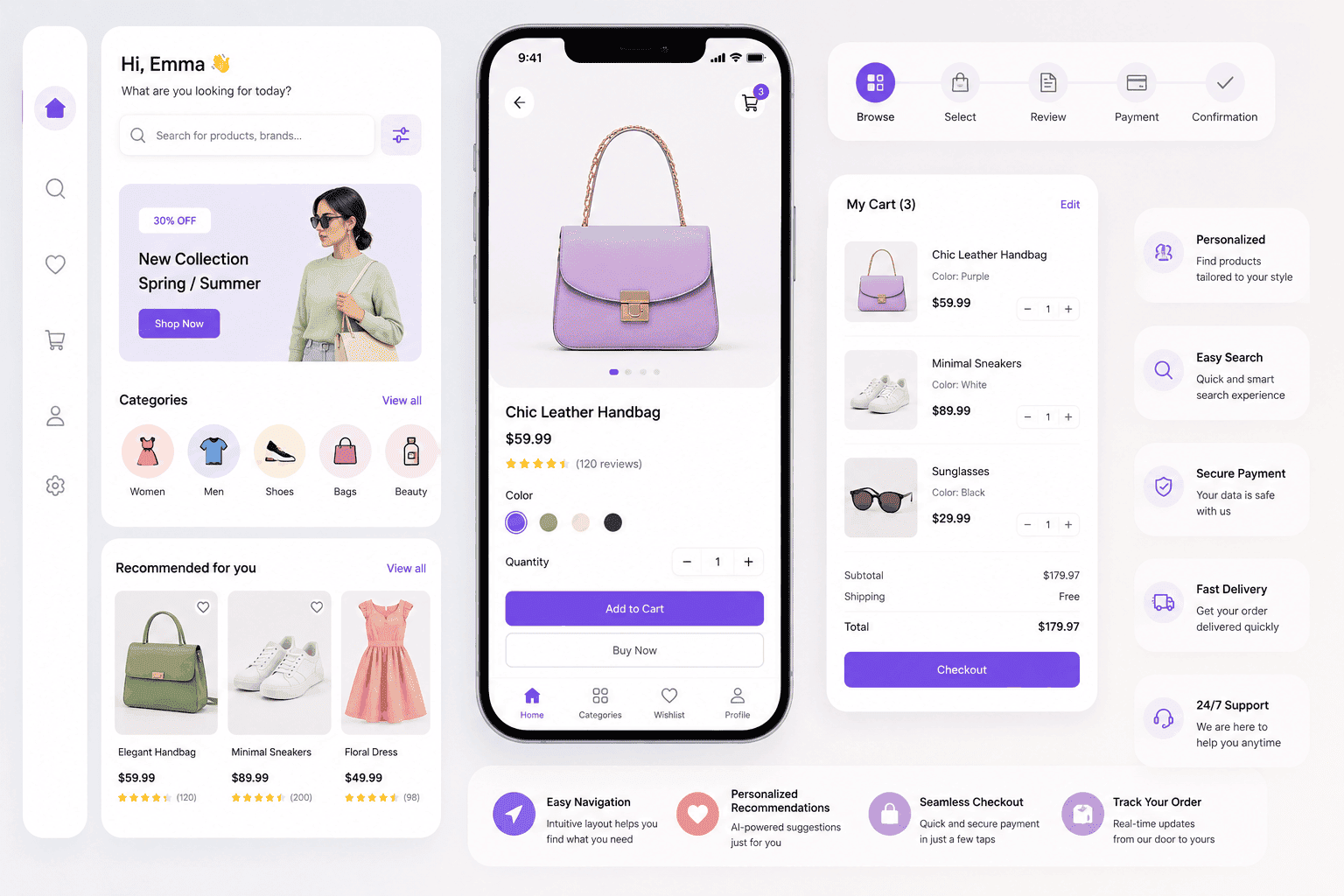
User Experience design is much more than creating a visually appealing website. It involves understanding customer behavior, expectations, and preferences to build a shopping journey that feels natural and intuitive. Every interaction a visitor has with an online store contributes to their overall experience.
In eCommerce, UX design includes various elements such as navigation menus, product search functionality, product pages, mobile responsiveness, checkout processes, and customer support accessibility. Each of these components affects how easily customers can achieve their goals while shopping online.
A customer visiting an online store expects a seamless experience from start to finish. They want to browse products, compare options, read reviews, and make purchases without facing unnecessary obstacles. When businesses focus on creating smooth experiences, customers are more likely to complete transactions and return in the future.
The success of many leading online retailers demonstrates the power of effective UX design. Companies that prioritize user convenience often experience higher customer satisfaction rates, increased sales, and stronger brand loyalty compared to competitors with poorly designed websites.
To learn more about UX principles, visit Nielsen Norman Group, one of the leading authorities on user experience research.
Why UX Design Matters More Than Ever
Consumer expectations have evolved significantly over the past decade. Modern shoppers are accustomed to fast-loading websites, personalized recommendations, and frictionless checkout experiences. As a result, businesses must meet these expectations to remain competitive in the market.
A positive user experience directly impacts purchasing decisions. When customers can easily find what they need and complete purchases without confusion, they develop trust in the brand. This trust encourages repeat purchases and strengthens long-term customer relationships.
Poor UX design can quickly drive customers away. Even if a business offers excellent products and competitive prices, users may abandon their shopping journey if the website feels difficult to navigate or unreliable. In many cases, customers simply move to a competitor with a better experience.
As online competition continues to grow, UX design has become a major differentiator. Businesses that invest in creating customer-focused experiences often gain a significant advantage by improving satisfaction, retention, and conversion rates.
How UX Design Influences Customer Buying Behavior
Customers make decisions based on both logic and emotion. UX design influences these decisions by shaping how users feel while interacting with an online store. A clean, organized, and easy-to-use website creates confidence and reduces uncertainty.
When users encounter a smooth browsing experience, they spend more time exploring products and engaging with content. This increased engagement often leads to higher purchase intent because customers feel comfortable and informed throughout the shopping process.
Trust is another critical factor affected by UX design. Professional layouts, clear product information, secure payment indicators, and transparent policies help reassure customers that they are making safe purchasing decisions.
Additionally, UX design reduces cognitive effort. Customers prefer websites that simplify decision-making rather than overwhelming them with excessive information or complicated processes.
Key Elements of Effective UX Design in Online Shopping
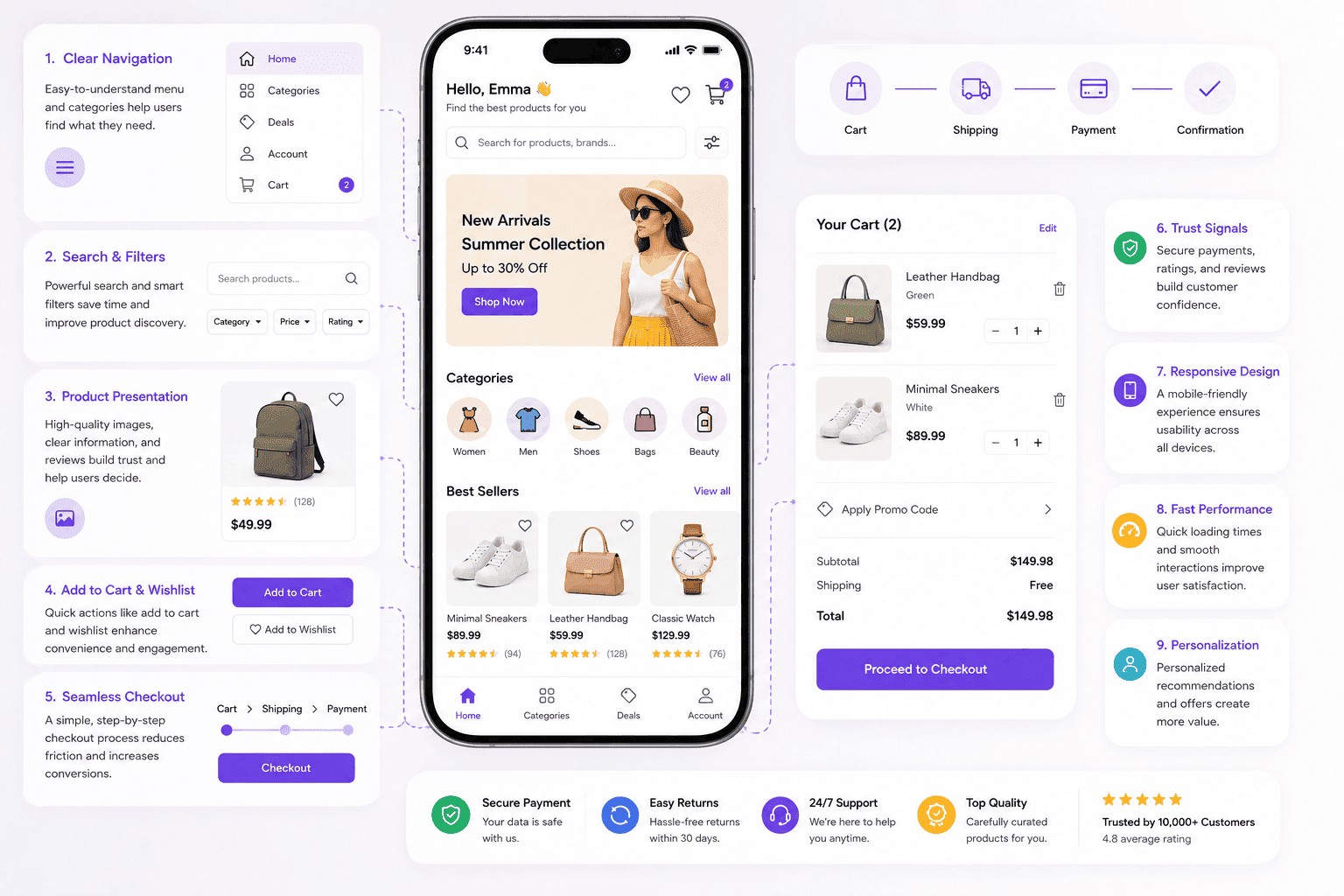
Effective UX design plays a crucial role in shaping how customers interact with an online store. A well-designed user experience ensures that visitors can easily find products, understand information clearly, and complete purchases without unnecessary friction.
Important UX Elements
- Simple and intuitive website navigation
- Mobile-friendly design
- High-quality product images
- Clear product descriptions
- Easy-to-use search functionality
- Streamlined checkout process
When these UX elements are implemented effectively, they create a smooth and enjoyable shopping experience that encourages repeat visits and long-term customer loyalty.
The Role of Website Navigation in User Experience
Navigation serves as the foundation of any online shopping experience. Customers should be able to move through a website effortlessly and locate products without confusion.
Clear menu categories, logical organization, and consistent layouts make it easier for shoppers to explore products. Search functionality also plays an important role by helping users quickly find specific products using filters and keywords.
Poor navigation can significantly harm conversion rates. Therefore, navigation design should always be a top priority for eCommerce businesses.
Mobile UX and Its Growing Importance
Mobile shopping has become a dominant force in eCommerce. A large percentage of online purchases now occur through smartphones and tablets, making mobile UX design essential for business success.
Responsive design ensures that content adjusts automatically across various screen sizes. Businesses that prioritize mobile UX often benefit from improved engagement, longer browsing sessions, and higher conversion rates.
For additional guidance on web usability and accessibility, visit W3C Web Accessibility Initiative (WAI).
Checkout Experience and Cart Abandonment
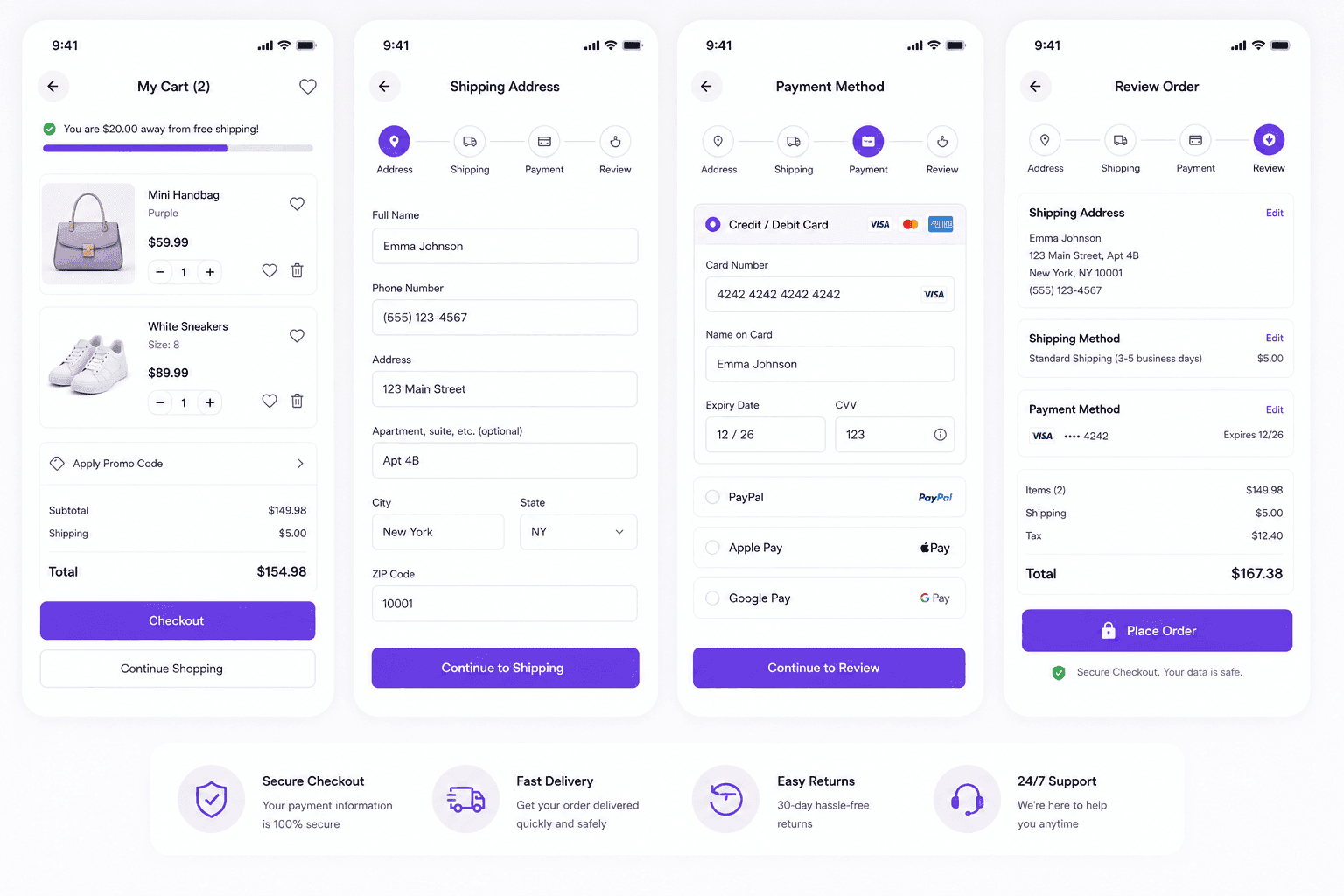
The checkout process is the most critical stage of the customer journey. Customers expect a fast, simple, and hassle-free checkout flow.
Key Factors Affecting Checkout Experience
- Complicated or lengthy checkout forms
- Unexpected costs like shipping and taxes
- Mandatory account creation requirements
- Limited or unclear payment options
An effective checkout experience reduces unnecessary steps and ensures complete transparency throughout the purchasing process.
Product Pages and Their Impact on Conversion Rates
Product pages provide customers with the information needed to evaluate products and make purchasing decisions. High-quality product images, detailed descriptions, and customer reviews help increase buyer confidence and improve conversions.
Read our guide on How to Build a High-Converting eCommerce Website to learn more about optimizing your online store.
Benefits of Strong UX Design for Businesses
Major Business Benefits
- Higher conversion rates
- Increased customer satisfaction
- Improved customer retention
- Lower cart abandonment rates
- Stronger brand reputation
- Greater customer trust
These benefits contribute directly to revenue growth and long-term business success. UX design should be viewed as a strategic investment rather than simply a design expense.
Common UX Design Mistakes in Online Shopping
Many businesses still make avoidable UX mistakes that negatively impact customer satisfaction and overall performance.
Common issues include cluttered layouts, slow-loading pages, confusing navigation, poor mobile optimization, excessive pop-ups, and difficult checkout processes. Regular usability testing and customer feedback can help identify these issues before they affect business growth.
The Future of UX Design in eCommerce
The future of UX design is closely connected to emerging technologies and evolving customer expectations. Artificial intelligence, voice commerce, augmented reality, and personalized shopping experiences are transforming how customers interact with online stores.
Businesses that embrace these innovations will be better positioned to meet changing customer expectations and remain competitive.
Practical Strategies for Improving UX Design
Effective UX Improvement Strategies
- Conduct regular usability testing
- Analyze customer behavior data
- Simplify navigation structures
- Optimize website speed
- Improve mobile responsiveness
Continuous improvement allows businesses to adapt quickly and deliver consistently positive shopping experiences.
Conclusion
UX design has become one of the most important factors influencing success in online shopping. It affects every stage of the customer journey, from product discovery to checkout completion. A well-designed user experience increases conversions, strengthens customer trust, improves satisfaction, and encourages long-term loyalty.
As competition in eCommerce continues to intensify, businesses that prioritize usability, mobile performance, intuitive navigation, and streamlined checkout experiences will be better positioned for sustainable growth and long-term success.