+91 9898181101
 +1 (647) 971-4687
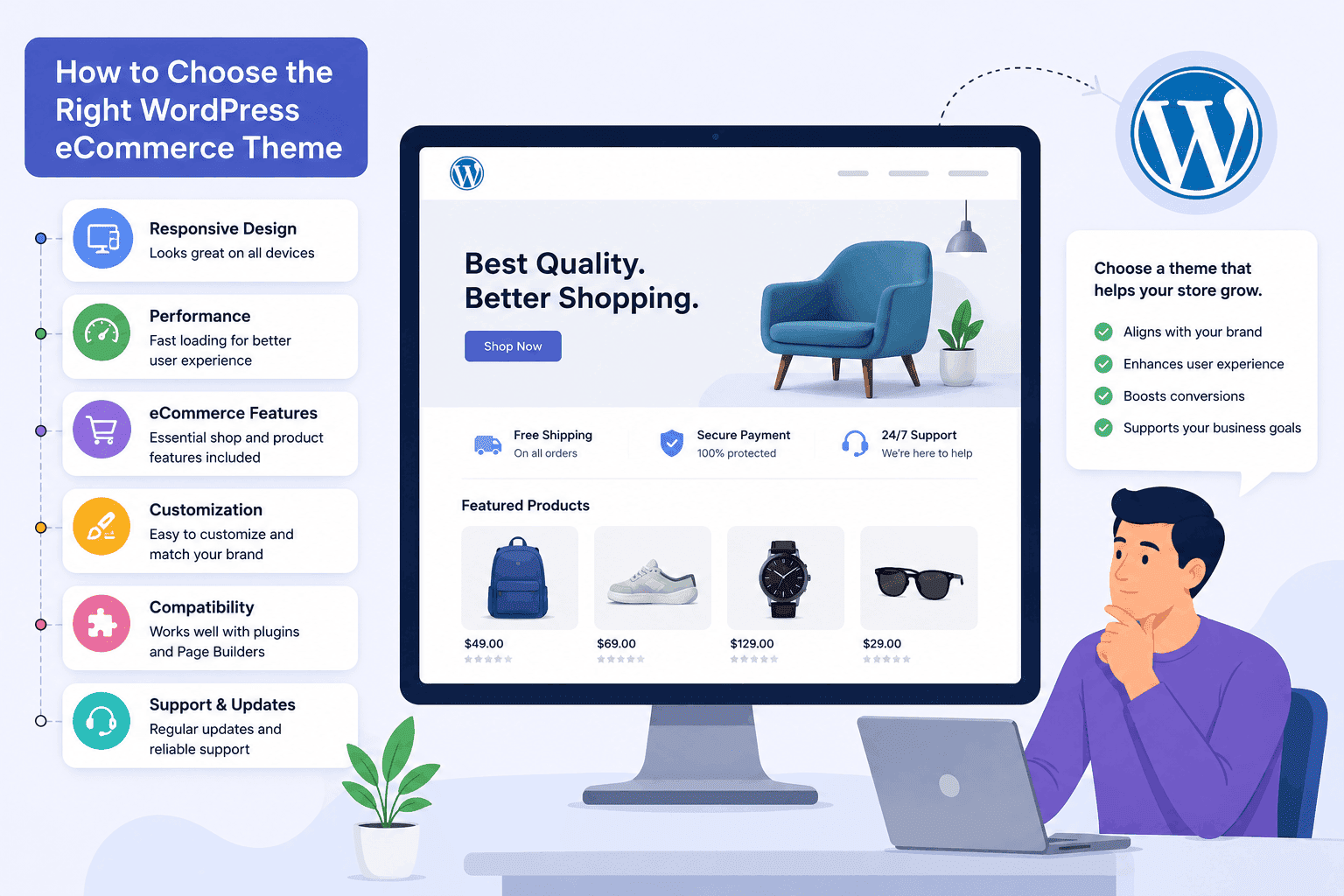
How to Choose the Right WordPress eCommerce Theme
Building a successful online store involves much more than listing products and waiting for customers to arrive. The appearance, functionality, and user experience of your website play a major role in determining whether visitors stay, browse, and eventually make a purchase. For businesses using WordPress, selecting the right eCommerce theme is one of the most important decisions in the website development process.
A WordPress eCommerce theme acts as the foundation of your online store. It controls the layout, design elements, navigation structure, and overall shopping experience. While thousands of themes are available in the marketplace, not every theme is suitable for every business. Choosing the wrong theme can lead to slow performance, poor mobile experiences, lower search engine rankings, and reduced conversions.
Business owners often focus on visual appeal when selecting a theme, but functionality, scalability, security, and performance are equally important. This guide explains how to choose the right WordPress eCommerce theme, highlights the key factors to consider, discusses common mistakes to avoid, and explores future trends that may influence theme selection decisions.
Why Your eCommerce Theme Matters
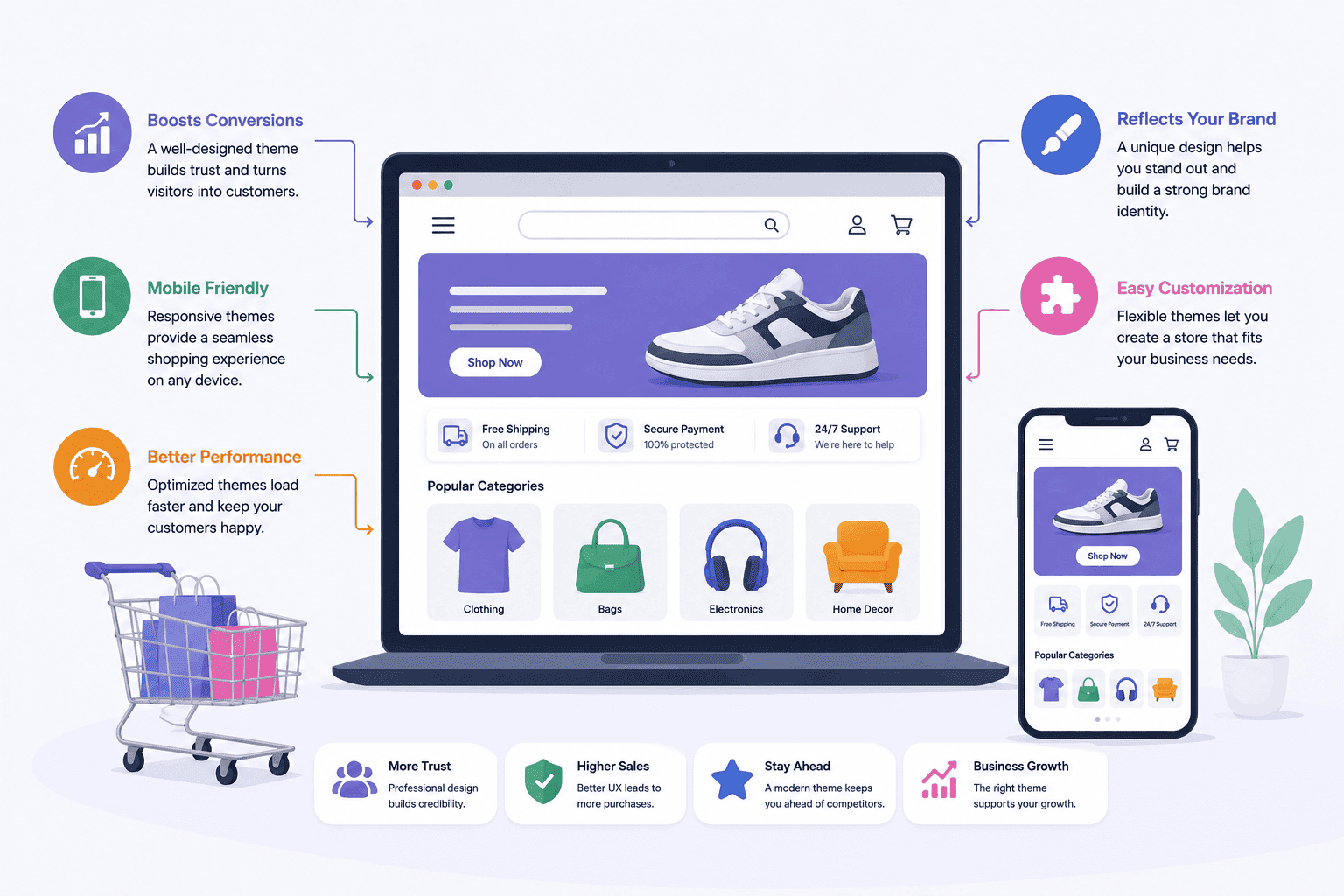
The theme you choose directly affects how customers perceive your brand. When visitors land on your website, they form an opinion within seconds. A professional and well-designed theme creates trust and encourages visitors to continue exploring your products. On the other hand, an outdated or poorly designed theme can create doubt and increase bounce rates.
A quality eCommerce theme also improves usability. Customers should be able to find products, browse categories, view product details, and complete purchases without confusion. A theme that simplifies these actions contributes to a smoother shopping journey and increases the likelihood of conversions.
Search engine optimization is another important consideration. Modern WordPress themes are designed with clean code structures that support SEO efforts. Better coding practices help search engines crawl and index pages more efficiently, which can contribute to improved rankings and visibility.
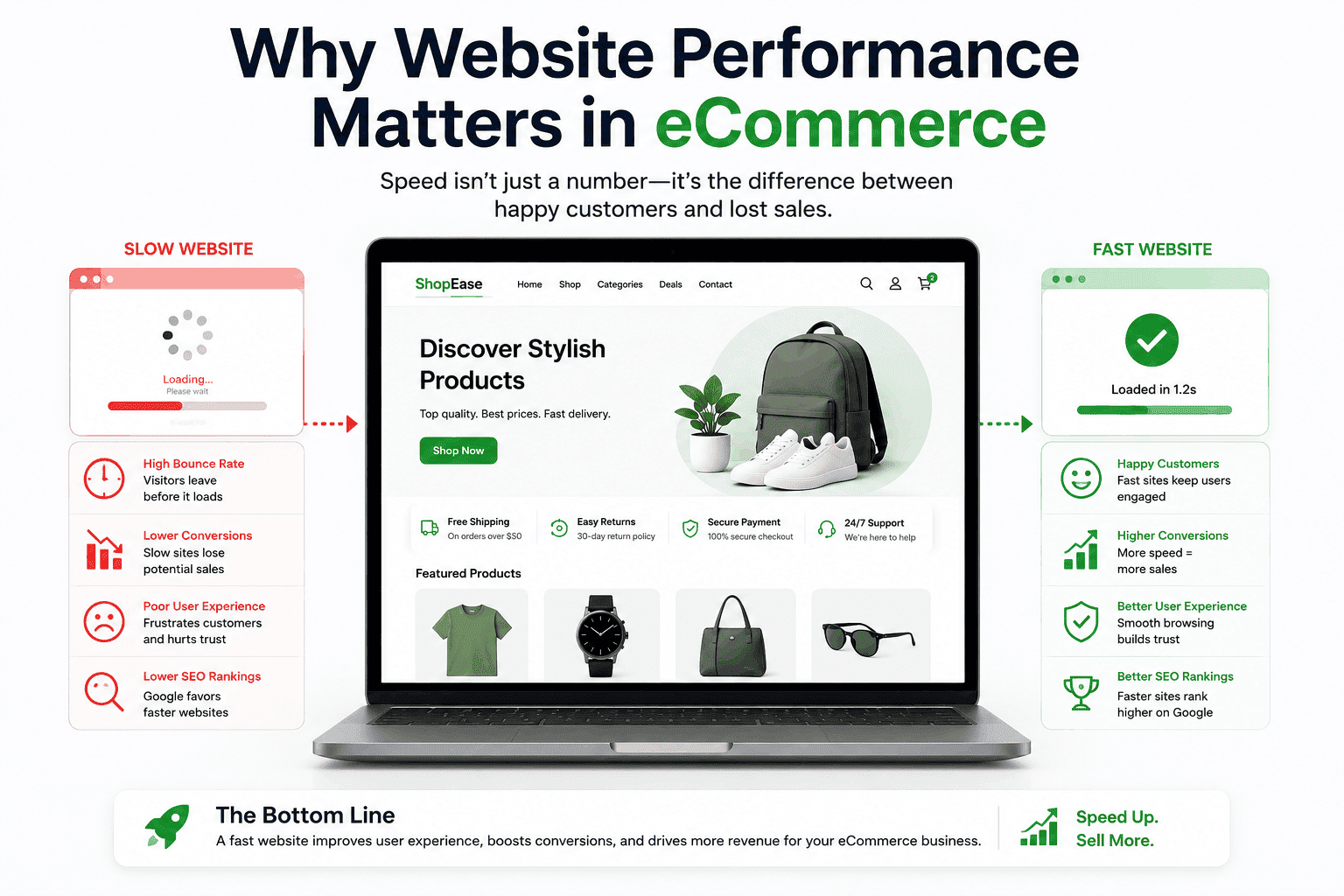
The theme also impacts website speed and performance. Heavy themes loaded with unnecessary features can slow down page loading times. Since online shoppers expect websites to load quickly, performance-related issues can result in lost sales and reduced customer satisfaction.
Understanding Your Business Requirements First
Before exploring available themes, businesses should clearly define their needs and objectives. Every online store has unique requirements depending on industry, product range, target audience, and growth plans. Understanding these factors helps narrow down theme choices.
For example, a fashion retailer may require large image galleries, lookbooks, and visual storytelling features. A technology store may prioritize product comparison tools and specification tables. Meanwhile, a furniture business may need advanced filtering and high-quality product displays.
Business growth plans should also influence theme selection. A theme that works for a small startup may not meet the needs of a rapidly expanding company. Choosing a scalable theme ensures that future product additions, traffic growth, and feature enhancements can be accommodated without requiring a complete redesign.
Customer expectations should also be considered during the planning stage. Understanding how your audience shops online can help determine which design elements and functionalities are most important. A theme that aligns with customer preferences often contributes to better engagement and conversion rates.
Key Factors to Consider When Choosing a WordPress eCommerce Theme
1. WooCommerce Compatibility
Since WooCommerce powers a large percentage of WordPress online stores, theme compatibility should be a top priority. A WooCommerce-compatible theme ensures seamless integration between your store design and shopping functionality.
WooCommerce Theme Benefits for Online Stores
- Optimized product page layouts for better conversions
- Built-in shopping cart functionality
- Streamlined and fast checkout process
- User-friendly customer account management
- Reduced need for extra customization plugins
Compatibility also ensures that future WooCommerce updates function properly. Themes that regularly support WooCommerce updates minimize the risk of technical issues and compatibility conflicts.
Businesses should always verify compatibility information before purchasing or installing a theme. Checking developer documentation and reviews can help confirm that the theme works effectively with the latest WooCommerce version.
2. Mobile Responsiveness
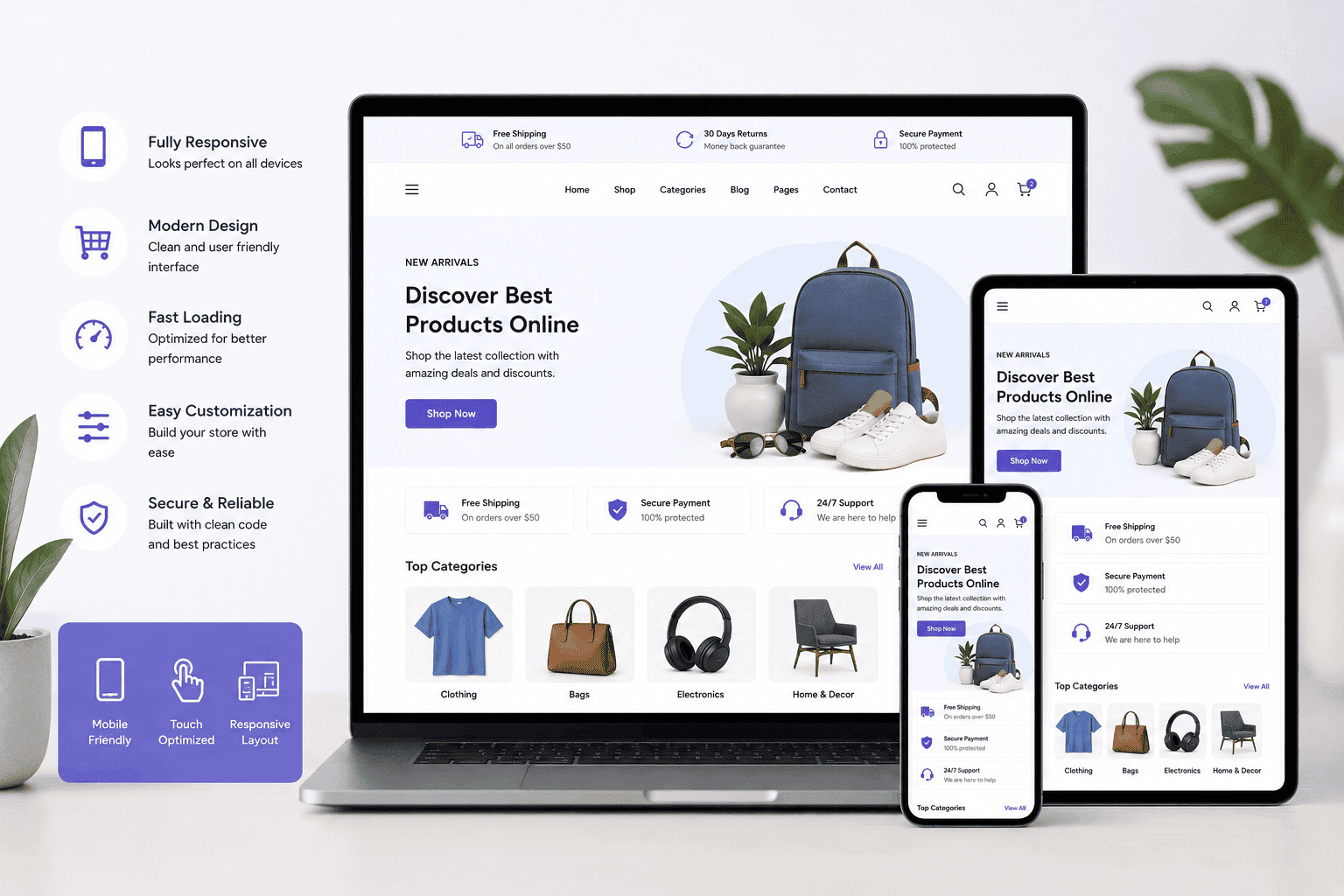
Mobile shopping continues to grow across industries. Customers increasingly browse products, compare prices, and complete purchases using smartphones and tablets. A responsive theme automatically adjusts layouts and content for different screen sizes.
A mobile-friendly design improves user experience by making navigation, product viewing, and checkout processes easier. Customers are more likely to remain on a website that functions smoothly across devices.
Search engines also prioritize mobile-friendly websites in search results. This means responsive themes contribute not only to user satisfaction but also to SEO performance.
Before selecting a theme, businesses should test demo versions on multiple devices. Observing how pages adapt to different screen sizes helps identify potential usability issues before implementation.
3. Website Speed and Performance
Speed is a major factor in online shopping success. Research consistently shows that slow-loading websites experience higher bounce rates and lower conversion rates. Therefore, theme performance should never be overlooked.
Lightweight themes with optimized coding structures generally deliver better performance than themes overloaded with unnecessary features. Faster loading times contribute to improved user experiences and stronger SEO rankings.
Business owners should examine theme performance using available speed-testing tools whenever possible. Demo sites can provide useful insights into loading speed and overall responsiveness.
Selecting a performance-focused theme creates a strong foundation for future optimization efforts. Combined with quality hosting and proper image optimization, a fast theme supports long-term business growth.
For additional guidance on performance improvements, businesses can review WordPress performance best practices.
4. Customization Flexibility
Every business has unique branding requirements, so a WooCommerce theme should allow full customization of colors, typography, images, and overall design identity. This ensures the website reflects the brand consistently and professionally.
Key Features of Flexible WooCommerce Theme Customization
- Easy customization of colors and typography
- Drag-and-drop page builder support
- Flexible layout and design settings
- No advanced coding required
- Supports brand-specific design identity
Flexible themes make it easier to customize layouts without requiring advanced coding knowledge. Tools like drag-and-drop builders, visual editors, and built-in design settings help businesses create attractive and functional websites efficiently.
Customization flexibility is also important when marketing strategies change or new products are introduced. However, businesses should avoid themes that require heavy customization for basic features, ensuring a smoother and more efficient setup from the start.
5. SEO-Friendly Structure
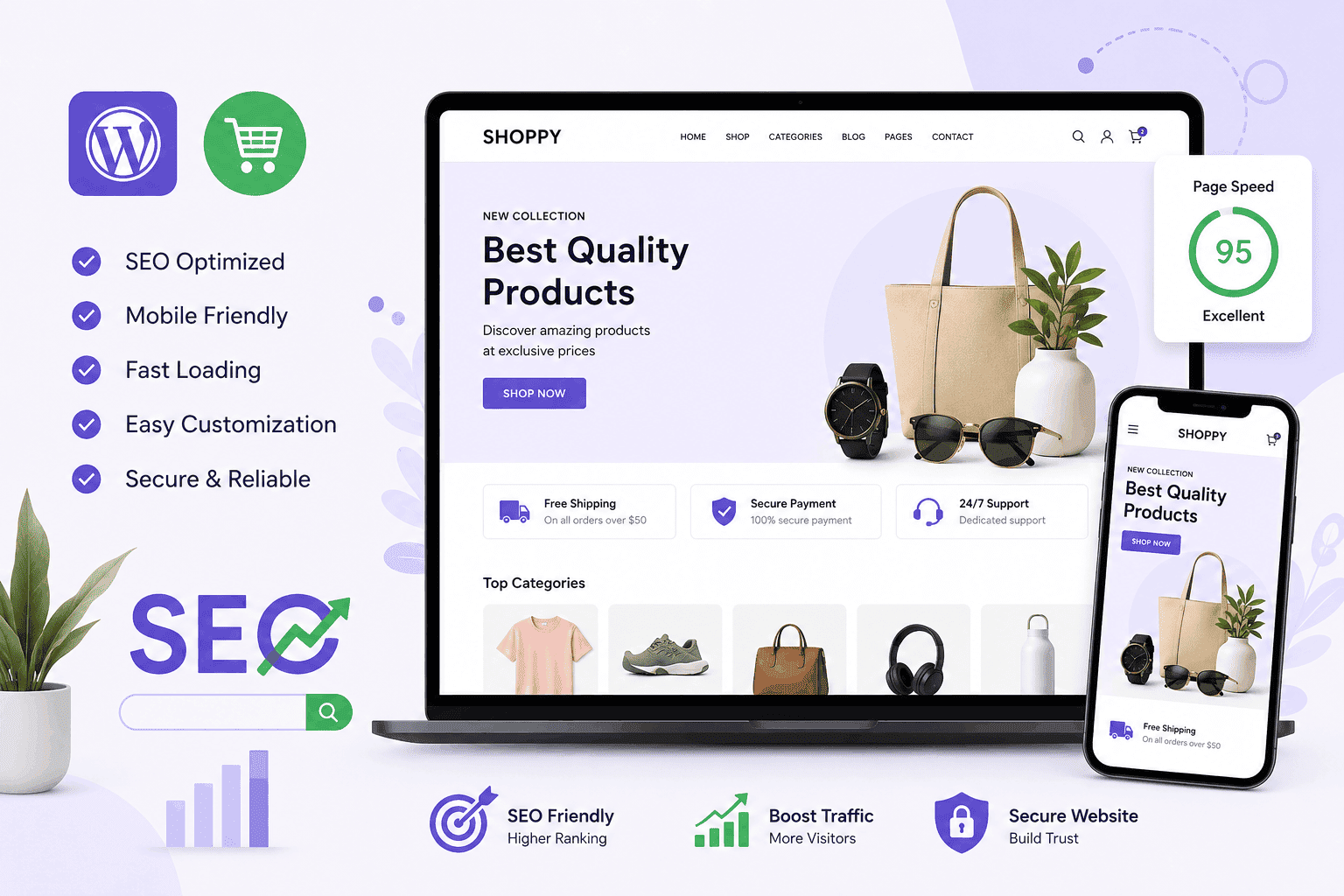
Search engine visibility remains essential for attracting potential customers. An SEO-friendly theme supports optimization efforts through clean coding practices, proper heading structures, and fast loading speeds.
Themes designed with SEO in mind make it easier for search engines to understand website content. This improves indexing efficiency and increases opportunities for ranking well in search results.
Schema markup support is another valuable feature. Structured data helps search engines display rich snippets such as product ratings, prices, and availability information.
While SEO plugins contribute significantly to optimization efforts, the theme itself serves as the technical foundation. Choosing an SEO-friendly theme provides long-term advantages for organic traffic growth.
You can also explore Google’s recommendations on SEO fundamentals when evaluating theme quality.
6. Security and Regular Updates
Security is a critical concern for every eCommerce business. Online stores handle customer information, payment data, and transaction records, making them attractive targets for cyber threats.
A reputable theme developer regularly releases updates to address vulnerabilities, improve compatibility, and enhance performance. Consistent maintenance demonstrates ongoing commitment to product quality.
Businesses should review update histories before selecting a theme. Frequent updates generally indicate active development and strong support from the creator.
Using outdated themes can expose websites to security risks and compatibility issues. Investing in a well-maintained theme helps protect both business operations and customer trust.
Features Worth Looking For
- Advanced product filtering and search functionality
- Quick-view product options
- Wishlist capabilities
- Multiple product layout choices
- Social media integration
- Customer review sections
These features can improve customer engagement and simplify the shopping experience. However, businesses should prioritize features that genuinely support their goals rather than selecting themes based solely on feature quantity.
A theme packed with unnecessary tools can create complexity and negatively affect performance, as practical functionality is often more valuable than an extensive list of rarely used features. The ideal approach is to first identify business requirements and then choose a theme that efficiently provides those capabilities without added clutter.
Evaluating Theme Developers and Support
The quality of the developer behind a theme is often as important as the theme itself. Reliable developers provide documentation, updates, troubleshooting assistance, and customer support. This ensures long-term stability, security, and smooth performance of the website.
Businesses should review developer reputations before making a purchase decision. User reviews, ratings, and community feedback can reveal valuable insights regarding reliability and support quality.
Comprehensive documentation can significantly reduce implementation challenges. Well-documented themes make setup, customization, and maintenance easier for both business owners and development teams.
Responsive support becomes particularly valuable when technical issues arise. Access to knowledgeable assistance can save time, reduce downtime, and minimize operational disruptions.
Common Mistakes Businesses Make When Choosing a Theme
- Choosing a theme based only on appearance
- Ignoring mobile responsiveness
- Selecting themes with excessive features
- Overlooking speed and performance
- Failing to check update frequency
- Ignoring WooCommerce compatibility
A visually attractive theme may seem appealing initially, but practical functionality ultimately determines business success. Performance, usability, and scalability should always receive equal attention.
Another common issue involves selecting themes that require extensive customization. This often leads to increased development costs and longer implementation timelines.
Businesses should also avoid rushing the evaluation process. Testing demos, reviewing documentation, and researching developers provide important insights that support informed decision-making.
Real-World Example of Theme Selection Impact
Consider a growing fashion retailer launching its first online store. Initially, the company chooses a visually impressive theme loaded with animations and design effects. Although the website looks attractive, pages load slowly and mobile performance suffers.
After analyzing customer behavior, the retailer discovers high bounce rates and low mobile conversions. The business decides to switch to a lightweight, WooCommerce-optimized theme focused on performance and usability.
The new theme improves page speed, simplifies navigation, and enhances mobile responsiveness. As a result, customers spend more time browsing products and conversion rates increase significantly.
This example demonstrates how theme selection influences customer experience, search visibility, and overall business performance. The right theme supports growth, while the wrong choice can create unnecessary obstacles.
The Future of WordPress eCommerce Themes
The WordPress ecosystem continues to evolve, and eCommerce themes are becoming more advanced and feature-rich. Businesses must consider upcoming trends when making long-term investments in their online stores.
One major trend is the increasing adoption of block-based theme development. These themes offer greater flexibility and allow businesses to design and customize layouts more efficiently without heavy coding.
Artificial intelligence integration is also becoming more common in modern WordPress themes. Future-ready solutions may include personalized product recommendations, smart search features, and automated design enhancements.
Performance optimization and accessibility are also key priorities for future themes. Faster loading speeds, improved efficiency, and inclusive design standards ensure better user experiences for all customers.
Businesses looking for professional theme customization and implementation can explore our WordPress Development Services for tailored eCommerce solutions.
How to Make the Final Decision
After narrowing down potential options, businesses should compare themes based on functionality, performance, scalability, support quality, and budget. Viewing live demos and testing user experiences can reveal strengths and weaknesses that may not be obvious from marketing materials.
Decision-makers should involve relevant stakeholders whenever possible. Marketing teams, developers, designers, and store managers often provide valuable perspectives regarding business requirements and operational needs.
Creating a checklist of essential requirements can simplify comparisons. This approach helps ensure that important factors are not overlooked during the evaluation process.
Ultimately, the best theme is not necessarily the most expensive or feature-rich option. The ideal choice is the one that aligns most closely with business objectives, customer expectations, and future growth plans.
Conclusion
Choosing the right WordPress eCommerce theme is a strategic business decision that affects customer experience, search visibility, website performance, and long-term growth. Rather than focusing solely on design, businesses should evaluate factors such as WooCommerce compatibility, responsiveness, speed, customization flexibility, SEO readiness, and developer support.
As eCommerce competition continues to increase, businesses that invest time in selecting the right theme position themselves for better customer engagement and stronger sales performance. By understanding requirements, avoiding common mistakes, and considering future trends, organizations can build an online store that not only looks professional but also delivers measurable business results.