+91 9898181101
 +1 (647) 971-4687
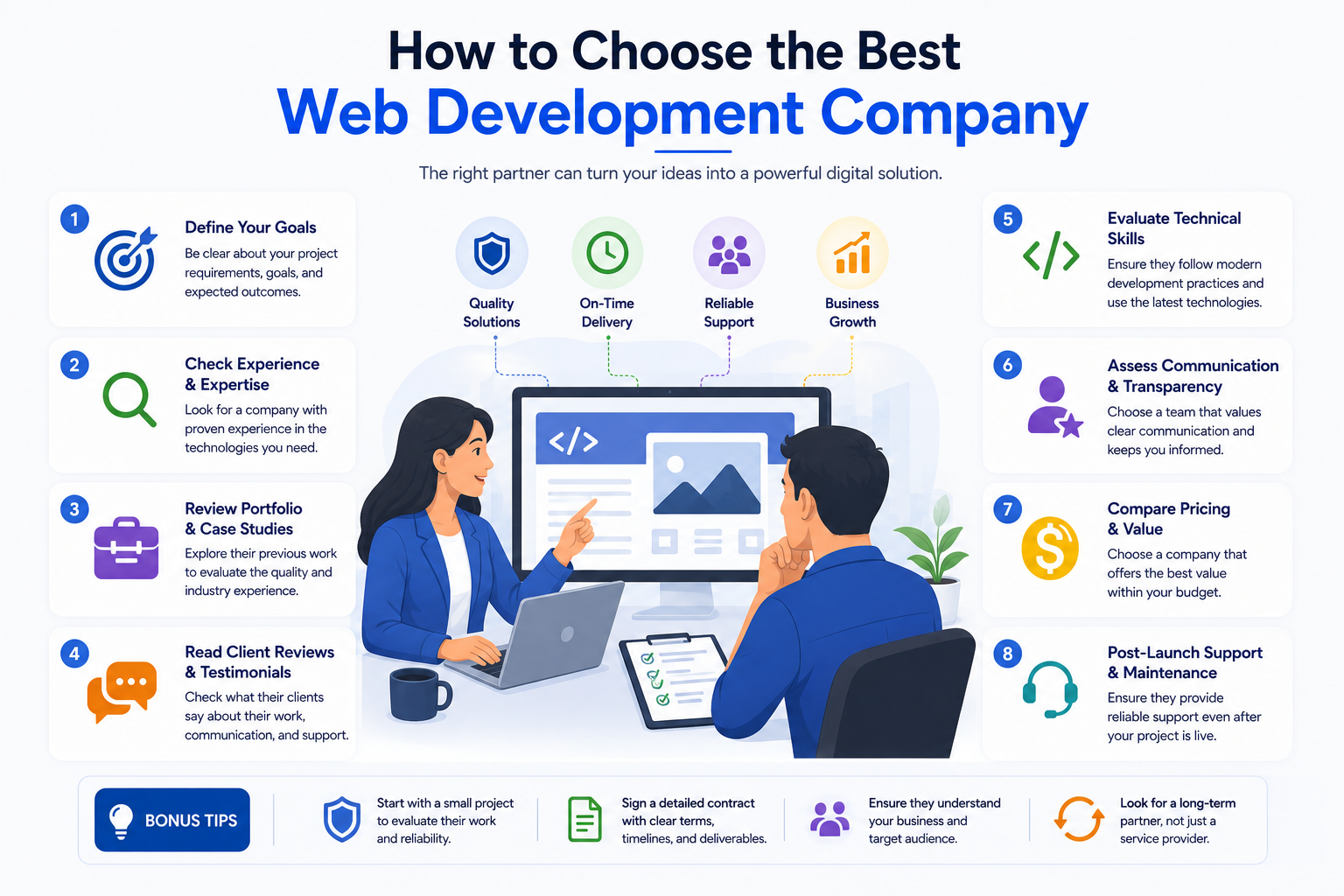
How to Choose the Best Web Development Company
In today’s digital-first business environment, your website is much more than an online brochure. It serves as your brand’s digital headquarters, sales engine, customer engagement platform, and often the first interaction potential customers have with your business. Choosing the right web development company can be the difference between building a powerful growth asset and investing in a project that fails to deliver results.
With thousands of agencies, freelancers, and software development firms competing for attention, finding the ideal technology partner can feel overwhelming. Every company claims to offer cutting-edge solutions, experienced developers, and exceptional service. However, not every provider can align with your business goals, technical requirements, and long-term growth plans.
According to Statista, global digital transformation spending continues to grow rapidly as organizations prioritize technology investments to remain competitive. This trend highlights the importance of selecting a web development company that can support innovation, scalability, and business growth.
Whether you’re a startup launching your first website, an SME upgrading an existing platform, or an enterprise pursuing digital transformation, this guide will help you make an informed decision and choose a web development company that delivers measurable value.
Why Choosing the Right Web Development Company Matters
Your website directly impacts brand perception, lead generation, customer experience, and revenue growth. A well-designed and technically sound website can improve search rankings, increase conversions, and strengthen customer trust.
On the other hand, poor development practices can lead to performance issues, security vulnerabilities, scalability challenges, and expensive redevelopment projects in the future.
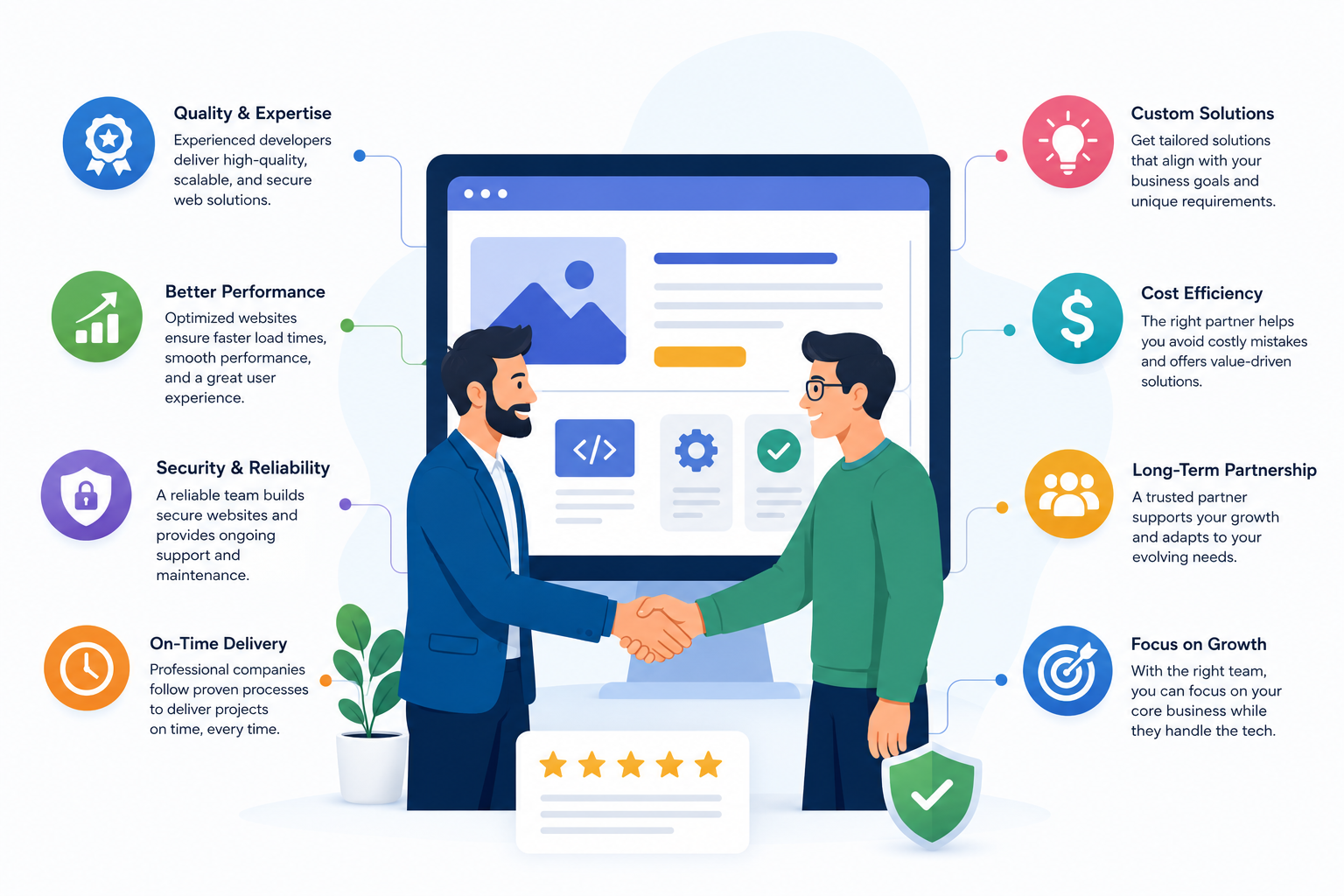
The right web development partner understands both technology and business objectives. They focus on creating solutions that support growth rather than simply building pages and features.
Understand Your Business Requirements First
Before evaluating agencies, clearly define what you need. Many projects fail because businesses begin searching for developers without establishing project goals.
Start by identifying the purpose of your website. Are you generating leads, selling products, streamlining operations, providing customer support, or building brand awareness? Each objective requires different development approaches and technologies.
Document your expected features, integrations, design preferences, target audience, and future scalability requirements. This preparation helps you evaluate vendors more effectively and receive accurate project estimates.
Questions to Ask Internally
Consider your growth plans over the next three to five years. A website that meets today’s needs may not support tomorrow’s expansion.
Think about expected traffic, content management requirements, third-party integrations, and future functionality. A strategic roadmap helps developers recommend suitable solutions.
Evaluate Technical Expertise and Technology Stack
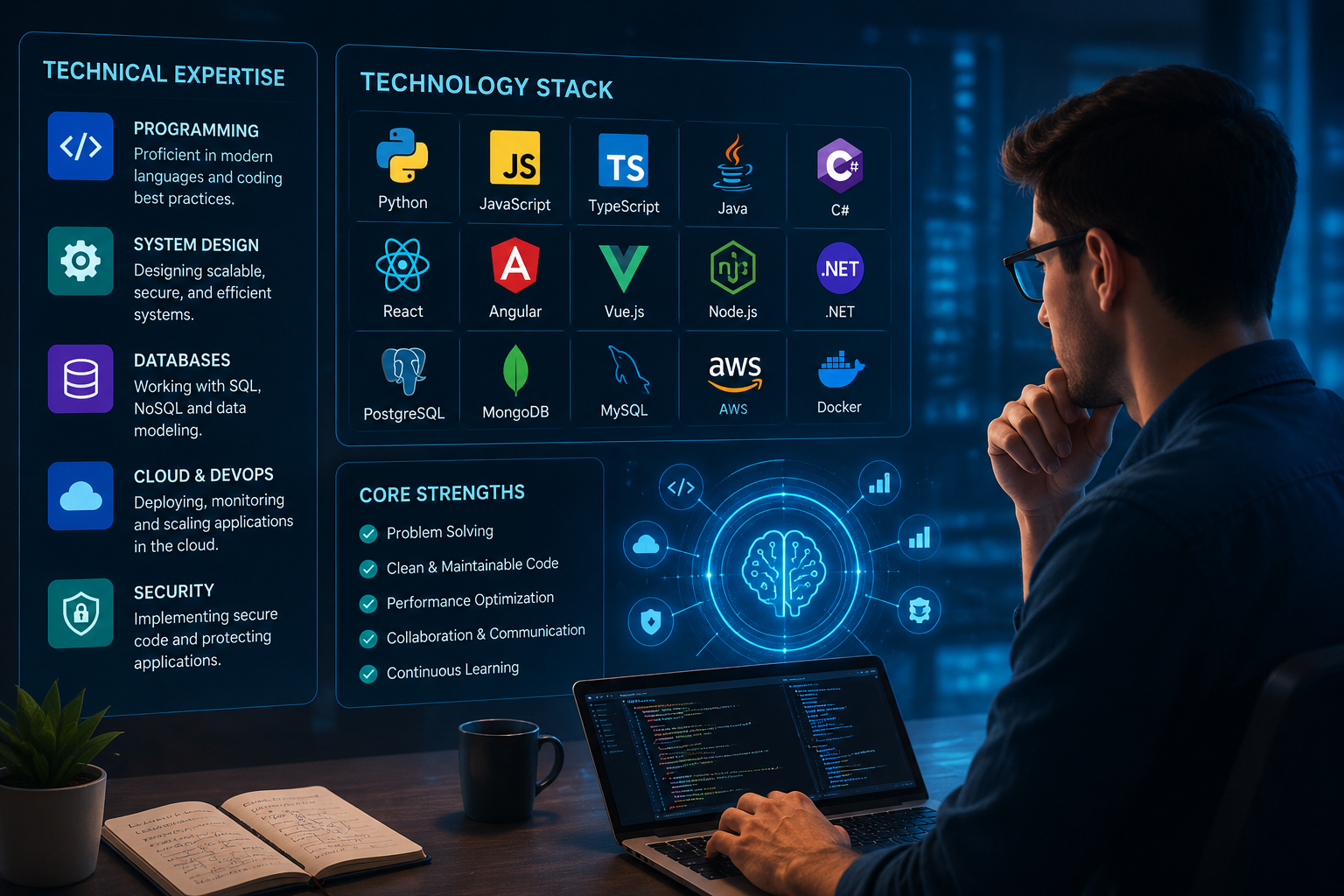
Technology evolves rapidly, and your chosen web development company should demonstrate expertise in modern frameworks, programming languages, and development methodologies.
Look beyond basic website creation capabilities. The best development companies understand performance optimization, cybersecurity, cloud infrastructure, API integrations, accessibility standards, and scalable architecture.
If your project requires specific technologies, verify that the agency has proven experience delivering similar solutions.
For example, businesses seeking robust backend development should consider companies experienced in Laravel Development, which is widely recognized for building secure, scalable, and high-performance web applications.
Review Their Technical Capabilities
- Frontend and backend development expertise
- Mobile responsiveness and cross-browser compatibility
- Security implementation and compliance standards
- API development and third-party integrations
- Cloud hosting and scalability planning
A capable web development company should explain technical concepts in simple business terms rather than relying on jargon.
Examine Their Portfolio Carefully
A company’s portfolio provides valuable insights into its capabilities, design quality, technical expertise, and industry experience.
Focus on projects similar to yours in complexity, functionality, and business objectives. Look for examples that demonstrate problem-solving, innovation, and measurable business outcomes.
Pay attention to website speed, user experience, responsiveness, and overall visual quality. A strong portfolio should showcase diversity while maintaining high development standards.
What to Look for in Portfolio Projects
Instead of judging projects solely on aesthetics, analyze how effectively they support business goals. Great websites combine attractive design with functionality, usability, and performance.
Case studies that include metrics such as increased traffic, higher conversion rates, or improved operational efficiency indicate a results-driven development approach.
Check Client Reviews and Testimonials
Client feedback offers valuable insights into an agency’s professionalism, communication style, reliability, and ability to meet deadlines.
Review testimonials on the company’s website, but also explore independent platforms such as Clutch and other reputable review websites. Independent reviews often provide a more balanced perspective.
Look for recurring themes. Consistent praise regarding communication, project management, and technical expertise is usually a positive indicator.
Similarly, repeated complaints about delays, budget overruns, or poor support should be treated as warning signs.
Assess Communication and Project Management Processes
Successful web development projects depend heavily on communication. Even highly skilled developers can struggle to deliver results if communication processes are unclear or inconsistent.
The best web development companies establish structured workflows, regular progress updates, and transparent reporting systems from the beginning.
Ask how they manage projects, handle feedback, track milestones, and resolve challenges during development.
Key Communication Indicators
Responsive communication during the sales process often reflects how the company will operate during project execution.
Pay attention to response times, clarity of explanations, willingness to answer questions, and overall professionalism throughout early discussions.
Understand Their Development Process
A structured development process reduces risks and improves project outcomes. Reputable agencies typically follow proven methodologies that include discovery, planning, design, development, testing, deployment, and ongoing maintenance.
Ask potential partners to explain their workflow step by step. Transparency demonstrates maturity and organizational capability.
Well-defined processes also improve budget predictability, timeline management, and stakeholder alignment.
Typical Development Stages
- Discovery and requirement gathering
- UI/UX design and wireframing
- Development and coding
- Quality assurance testing
- Launch and post-launch support
Companies that skip or rush critical stages often create costly issues later in the project lifecycle.
Prioritize Scalability and Future Growth
Your website should support future expansion rather than limit it. Business requirements evolve, customer expectations change, and technology continues advancing.
A forward-thinking development company designs systems that accommodate increased traffic, additional features, and evolving business needs.
Scalable architecture helps avoid expensive redevelopment efforts as your organization grows.
Why Scalability Matters
Imagine launching a successful marketing campaign that dramatically increases website traffic. If your platform cannot handle the surge, you risk losing customers and revenue.
Experienced developers anticipate growth and build flexible solutions capable of adapting over time.
Evaluate Security Standards
Cybersecurity is no longer optional. Data breaches, ransomware attacks, and compliance violations can damage brand reputation and create significant financial consequences.
The web development company you choose should prioritize security throughout the development lifecycle.
Ask about secure coding practices, vulnerability testing, SSL implementation, data protection measures, and ongoing monitoring procedures.
According to the IBM Cost of a Data Breach Report, the average cost of data breaches remains substantial, emphasizing the importance of proactive security planning.
Compare Pricing Beyond the Initial Quote
Cost is an important consideration, but selecting the cheapest provider often leads to disappointment. Low-cost projects may involve inexperienced developers, limited support, or shortcuts that create future problems.
Instead of focusing solely on price, evaluate overall value. Consider expertise, quality standards, communication, support services, and long-term business impact.
Request detailed proposals that clearly outline deliverables, timelines, maintenance costs, and potential additional expenses.
Understanding Cost vs Value
A higher initial investment in quality development can generate stronger returns through improved performance, better customer experiences, and reduced maintenance costs.
Think of your website as a strategic business asset rather than a short-term expense.
Ask About Post-Launch Support and Maintenance
Website development does not end at launch. Ongoing maintenance, updates, security patches, and performance optimization are essential for long-term success.
Reliable development companies offer support plans that help businesses maintain stability, security, and functionality after deployment.
Clarify support availability, response times, maintenance packages, and update procedures before signing any agreement.
Common Post-Launch Services
These services often include software updates, security monitoring, performance optimization, bug fixes, backups, and feature enhancements.
A dependable support strategy protects your investment and ensures continued business performance.
Consider Cultural Fit and Long-Term Partnership Potential
The most successful web development projects often evolve into long-term partnerships. As your business grows, you may require additional features, integrations, redesigns, or digital transformation initiatives.
Choose a company whose values, communication style, and business approach align with your organization’s culture.
A strong partnership built on trust and collaboration creates better outcomes than a purely transactional relationship.
Signs of a Strong Technology Partner
A great web development company acts as a strategic advisor rather than simply a service provider. They ask thoughtful questions, challenge assumptions when necessary, and focus on business outcomes.
Look for partners who demonstrate genuine interest in your success and offer proactive recommendations for growth.
Red Flags to Watch Out For
Not every agency delivers on its promises. Recognizing warning signs early can save time, money, and frustration.
Be cautious of providers that guarantee unrealistic timelines, avoid discussing processes, provide vague estimates, or lack documented case studies.
Poor communication during the sales phase often indicates larger problems during project execution.
Transparency, accountability, and professionalism should be evident from your first interaction.
The Future of Web Development Partnerships
As businesses continue embracing digital transformation, web development companies are becoming strategic technology partners rather than simple vendors.
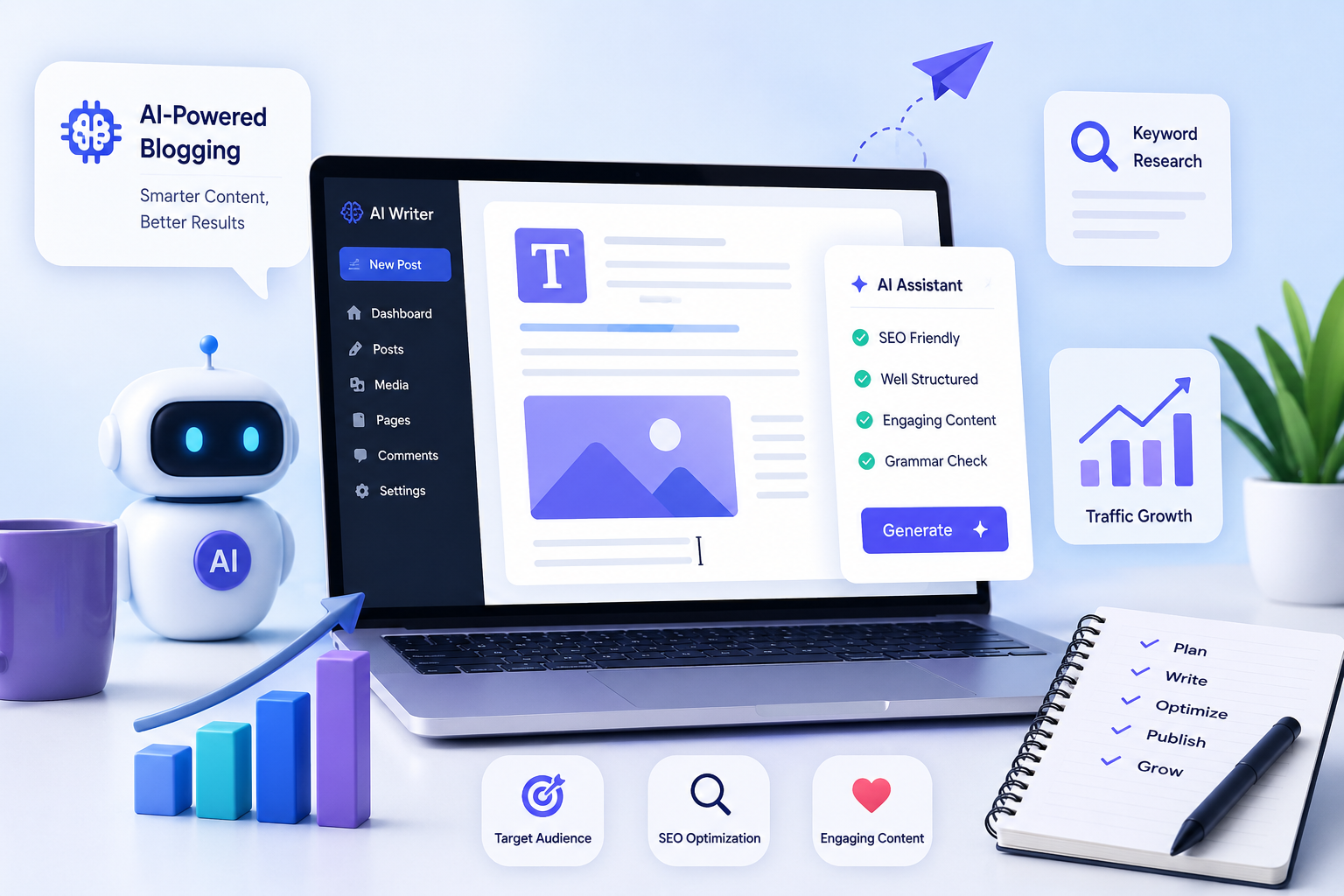
Emerging technologies such as artificial intelligence, automation, cloud-native architectures, and advanced analytics are reshaping customer experiences and business operations.
Choosing a development company with innovation capabilities ensures your digital presence remains competitive in a rapidly evolving marketplace.
The right partner helps you adapt to changing technologies while maintaining focus on business growth and customer value.
Conclusion
Choosing the best Web Development Company is one of the most important technology decisions your organization will make. The right partner brings technical expertise, strategic thinking, strong communication, and a commitment to long-term success.
By carefully evaluating experience, technology capabilities, portfolio quality, security standards, scalability planning, and support services, businesses can confidently select a development company that aligns with their goals.
Rather than focusing solely on cost, prioritize value, expertise, and partnership potential. A well-built website becomes a powerful business asset that drives growth, enhances customer experiences, and supports digital transformation initiatives for years to come.