+91 9898181101
 +1 (647) 971-4687
How to Build High Converting eCommerce Website
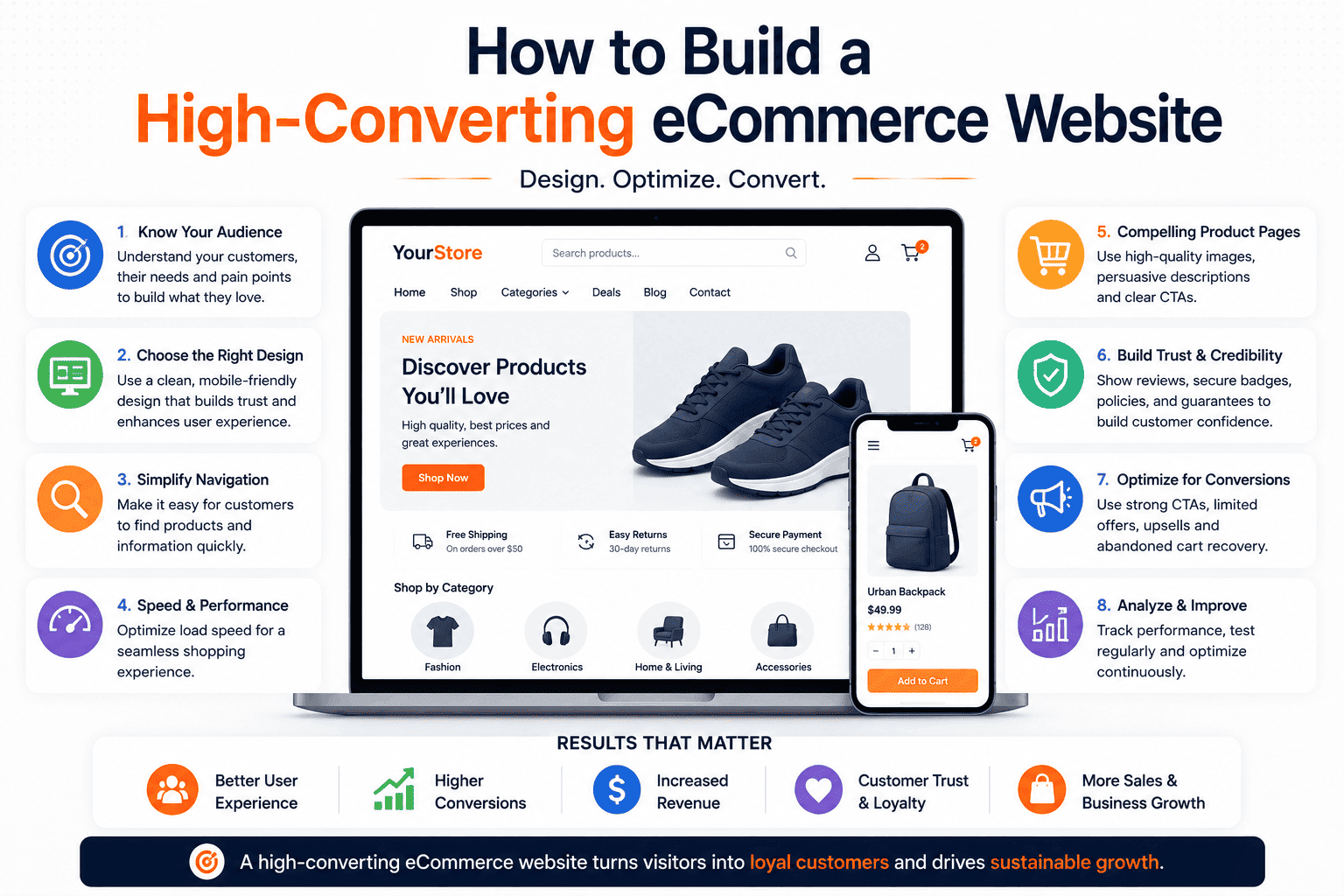
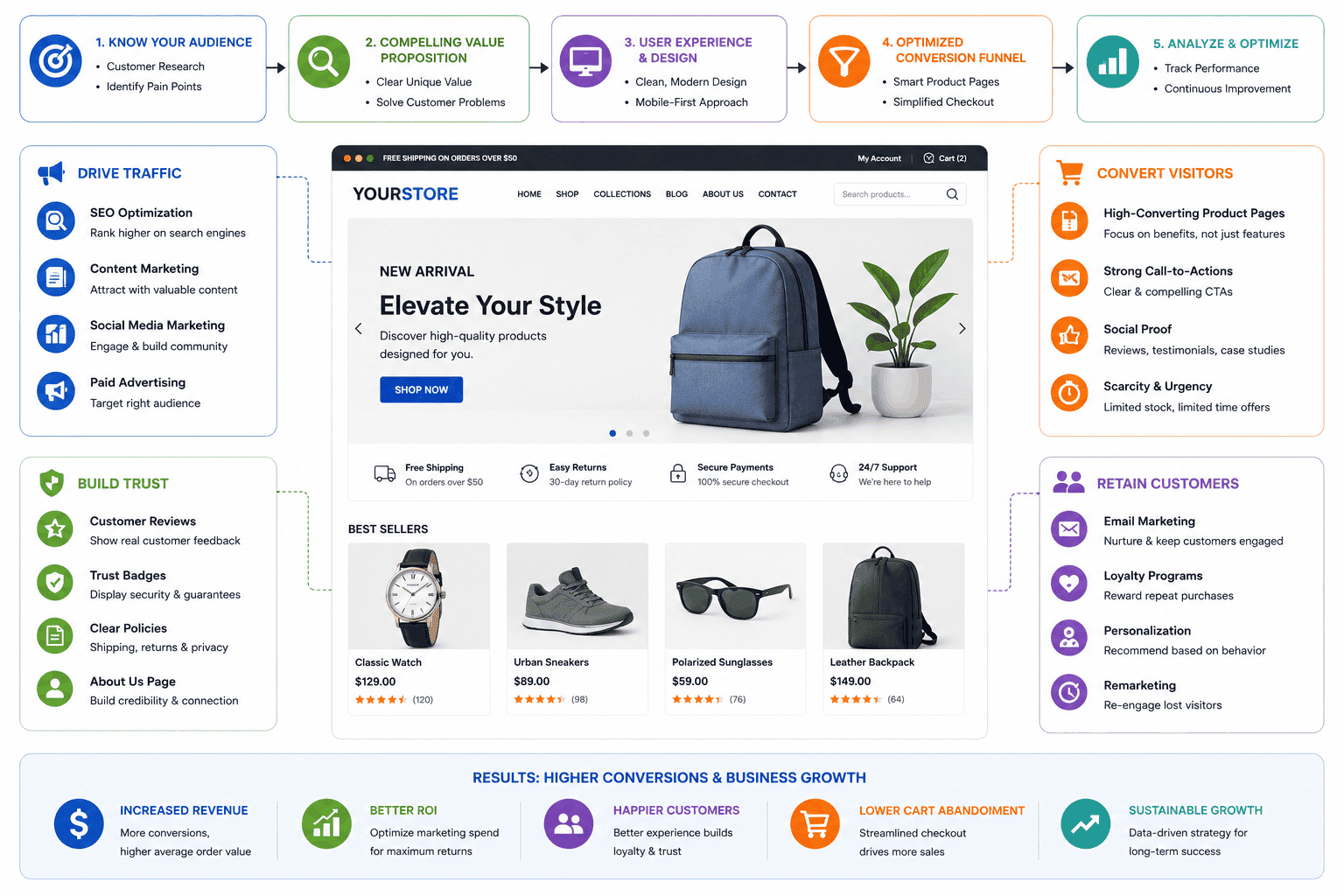
In today’s digital marketplace, having an eCommerce website is no longer enough. Thousands of online stores compete for customer attention every day, making it essential for businesses to focus on conversion optimization rather than simply attracting visitors. A high-converting eCommerce website is designed to turn website visitors into paying customers by providing a seamless, trustworthy, and enjoyable shopping experience.
Many business owners invest heavily in advertising, social media marketing, and search engine optimization to drive traffic to their websites. However, if the website is not built to convert visitors effectively, much of that marketing investment can be wasted. Even small improvements in website design, navigation, and checkout processes can significantly increase sales and revenue.
Building a successful eCommerce website requires a combination of user-focused design, strategic planning, performance optimization, and customer trust. This guide explains the essential elements that contribute to a high-converting online store and provides practical insights that business owners can use to improve their eCommerce performance.
Understanding What Makes an eCommerce Website Convert
A conversion occurs when a visitor completes a desired action on a website. For eCommerce businesses, the most important conversion is a completed purchase. However, conversions can also include actions such as signing up for newsletters, creating accounts, or adding products to a wishlist.
High-converting websites focus on reducing friction throughout the customer journey. Every page, feature, and interaction should make it easier for users to find products, evaluate options, and complete purchases. When customers encounter confusion, delays, or unnecessary steps, they are more likely to leave without buying.
Consumer expectations have evolved significantly over the years. Online shoppers expect fast-loading pages, mobile-friendly experiences, secure payment options, and personalized recommendations. Businesses that fail to meet these expectations often struggle to compete effectively.
The most successful eCommerce brands understand that conversions are influenced by both emotional and practical factors. Customers need confidence in the brand, trust in the payment process, and clarity about the product’s value before making a purchase decision.
Crafting an Engaging First Impression Through Design
The visual appearance of an eCommerce website is often the first thing customers notice. Within a few seconds, visitors decide whether a website looks trustworthy and professional enough to continue browsing. A well-designed online store creates confidence and encourages users to explore products further.
An effective design should focus on clarity and ease of use rather than excessive graphics or complicated layouts. Customers visit an online store with a purpose, and the design should help them achieve their goals quickly. Clean layouts, readable fonts, and balanced spacing contribute to a better shopping experience.
Brand consistency is another important aspect of website design. Consistent colors, typography, imagery, and messaging help create a recognizable identity. When customers encounter a cohesive design throughout the website, they are more likely to perceive the business as reliable and professional.
Successful eCommerce companies regularly evaluate and improve their website designs. They analyze customer behavior, test different layouts, and make adjustments based on performance data. This continuous improvement process helps maximize engagement and conversions over time.
Creating a Seamless Browsing Experience
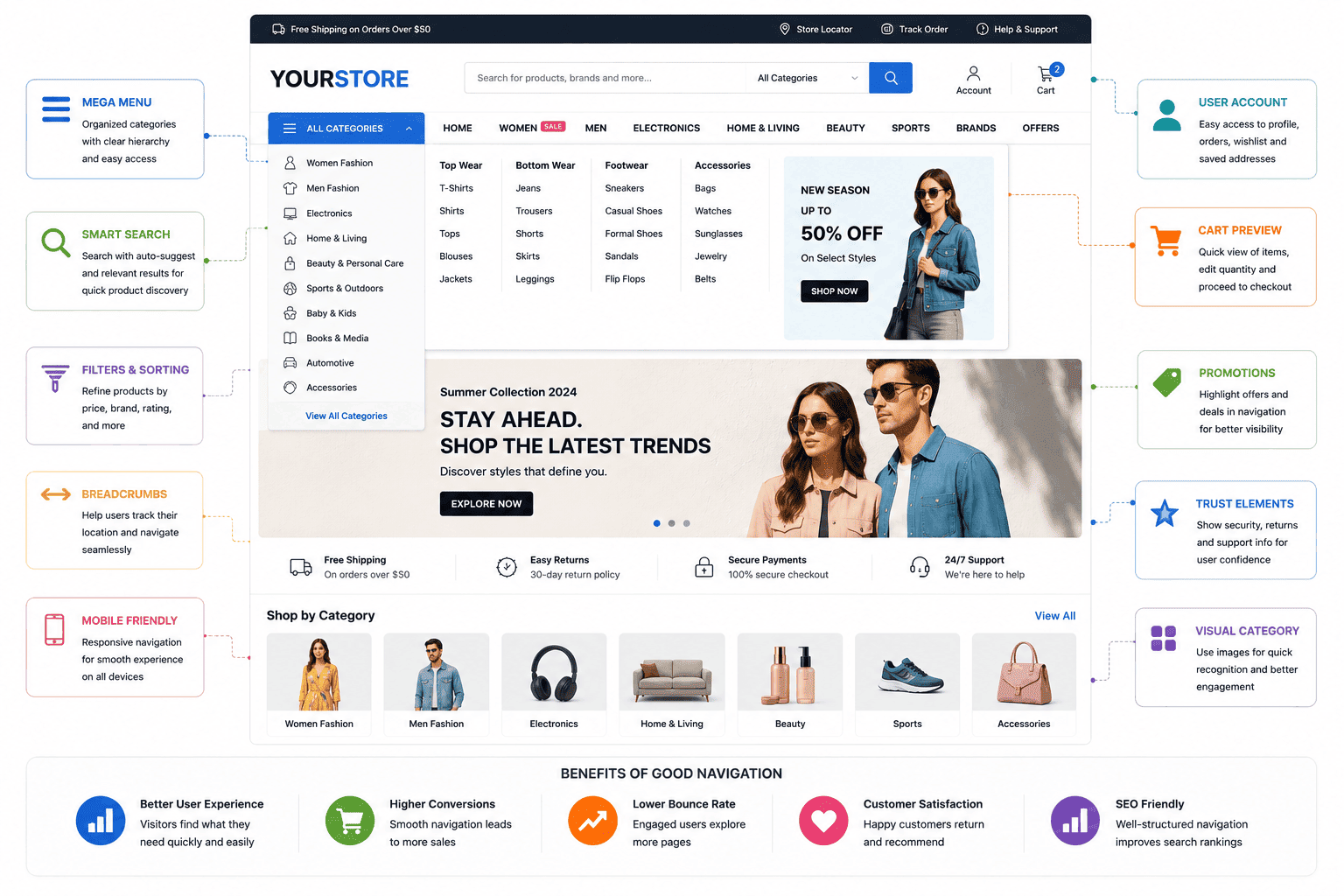
A visitor should never struggle to find products on an eCommerce website. Smooth navigation helps customers move effortlessly through categories, collections, and product pages. When navigation is intuitive, shoppers are more likely to stay longer and complete purchases.
Product categories should be structured in a way that reflects customer expectations. Logical organization helps users locate products quickly without feeling overwhelmed by too many options. Clear menus and category labels improve the overall shopping journey.
Search functionality has become increasingly important as product catalogs grow larger. Many shoppers prefer searching directly for products instead of browsing multiple categories. An advanced search feature with suggestions and filters can significantly improve user satisfaction.
Navigation should also support product discovery. Related products, featured collections, and easy access to popular categories encourage visitors to explore additional items, increasing opportunities for conversions and higher order values.
Building Product Pages That Drive Buying Decisions
Product pages serve as digital sales representatives for an online store. These pages provide customers with the information they need to evaluate products and make confident purchasing decisions. Well-optimized product pages can significantly improve conversion rates.
Essential Product Page Elements
- High-resolution product images from multiple angles
- Detailed and benefit-focused product descriptions
- Product specifications and sizing information
- Customer ratings and reviews
- Clear pricing and availability details
Visual content plays a major role in online shopping because customers cannot physically examine products. Lifestyle images and product demonstration videos help shoppers better understand how products look and function in real-world situations.
Customer-generated content such as reviews and testimonials adds credibility to product pages. Positive feedback from previous buyers helps reduce uncertainty and provides valuable social proof that influences purchasing decisions.
Businesses should continuously update and improve product pages based on customer feedback and performance metrics. Small enhancements can often lead to noticeable improvements in conversion rates.
To further improve customer experience, businesses can also learn from Google’s Helpful Content Guidelines when creating informative product pages.
Enhancing Website Performance for Better Results
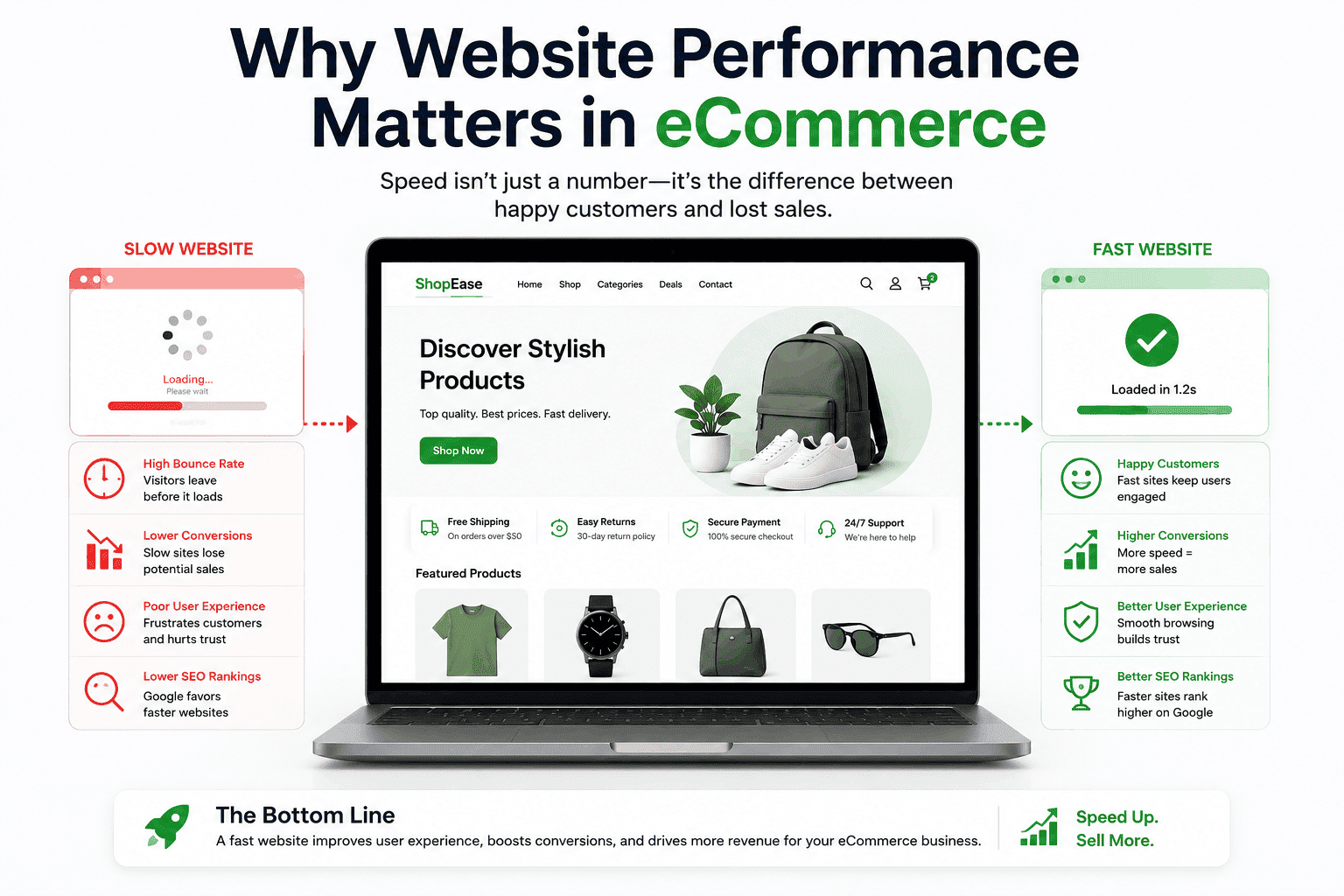
Website performance directly affects customer satisfaction and sales outcomes. Modern consumers expect websites to load quickly, and delays can cause frustration that leads visitors to leave before making a purchase.
Performance Optimization Checklist
- Optimized image sizes
- Reliable web hosting services
- Efficient website coding
- Content delivery networks (CDNs)
- Regular performance monitoring
Mobile users are particularly sensitive to slow-loading websites because they often browse using different network speeds. Ensuring fast performance across all devices helps maintain engagement and reduce bounce rates.
In addition to improving user experience, website speed supports search engine optimization efforts. Search engines favor websites that provide fast and reliable experiences, making performance optimization beneficial for both traffic and conversions.

Strengthening Customer Confidence Across Every Touchpoint
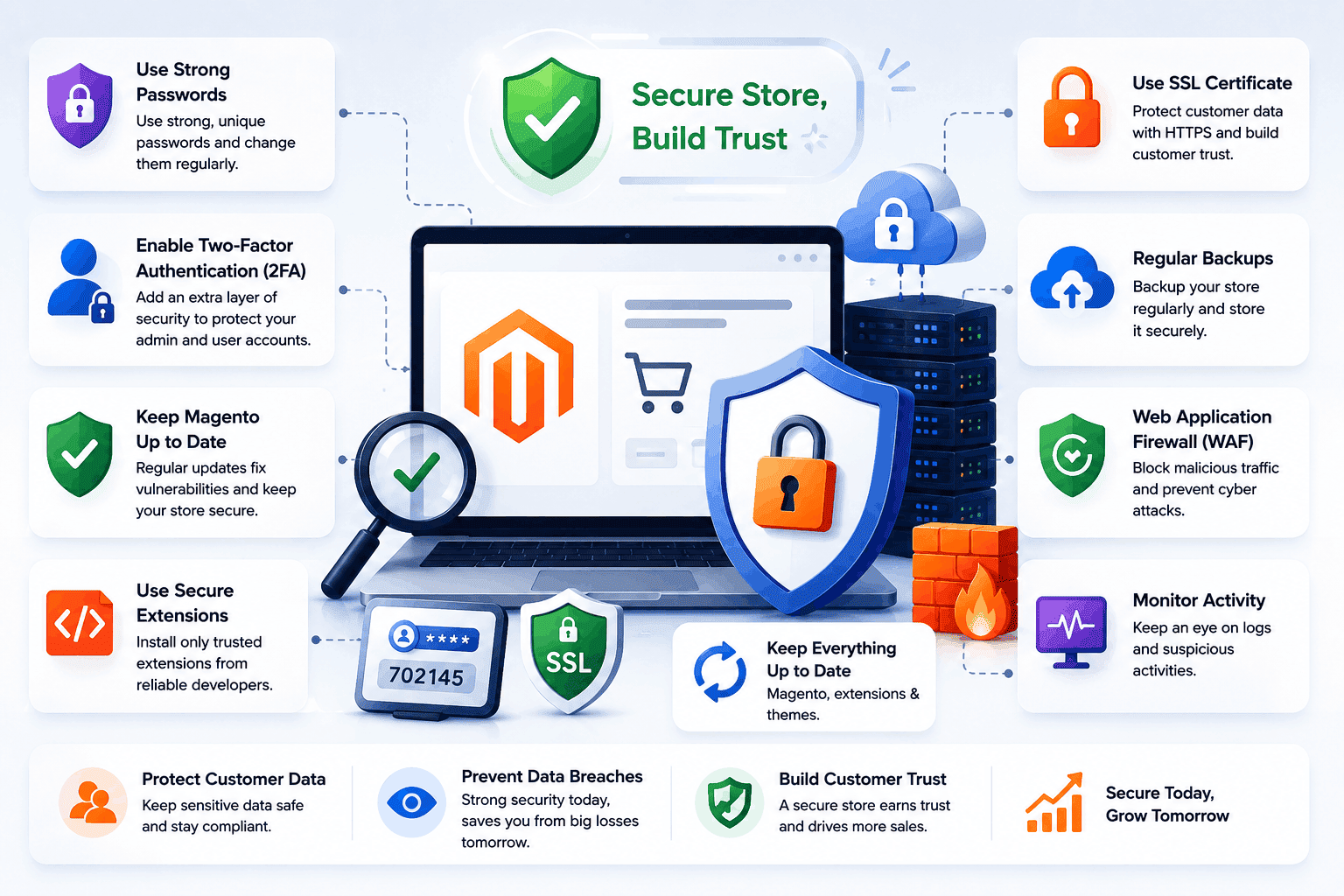
Trust is a critical factor in online shopping. Customers need reassurance that their personal information and payment details are secure before they feel comfortable completing a transaction.
Key Trust Signals
- Secure HTTPS connections
- Verified payment gateways
- Customer testimonials and reviews
- Transparent return policies
- Accessible customer support information
Trust-building should begin from the moment visitors arrive on the website. Professional design, accurate product information, and clear communication all contribute to a positive perception of the brand.
Transparency is especially important when discussing pricing, shipping costs, and delivery timelines. Customers appreciate honesty and are more likely to complete purchases when there are no unexpected surprises during checkout.
Strong customer service further reinforces trust. Providing multiple support channels and responding promptly to inquiries demonstrates a commitment to customer satisfaction and long-term relationships.
Delivering an Exceptional Mobile Shopping Experience
Mobile commerce continues to grow rapidly as consumers increasingly shop using smartphones and tablets. Businesses that prioritize mobile optimization are better positioned to capture this expanding audience.
A mobile-friendly website should automatically adapt to different screen sizes while maintaining functionality and visual appeal. Responsive design ensures that customers enjoy a consistent experience regardless of the device they use.
Mobile shoppers often browse while traveling, commuting, or multitasking. As a result, they expect quick access to products, simple navigation, and streamlined interactions that require minimal effort.
Buttons, menus, and forms should be optimized for touchscreens. Easy-to-use interfaces reduce frustration and help customers complete purchases more efficiently.
Companies that invest in mobile optimization frequently experience higher engagement rates, improved customer satisfaction, and increased sales performance.
Designing a Friction-Free Checkout Journey
The checkout stage is where visitors officially become customers. Even after adding products to their carts, many shoppers abandon purchases due to complicated checkout processes.
Checkout Best Practices
- Guest checkout availability
- Multiple payment options
- Minimal form requirements
- Clear shipping information
- Progress indicators during checkout
Unexpected costs remain one of the biggest reasons for cart abandonment. Displaying shipping fees, taxes, and delivery estimates early in the process helps maintain customer trust.
Regular analysis of checkout performance can reveal opportunities for improvement. Businesses that continuously refine their checkout experiences often achieve higher conversion rates and lower abandonment levels.
Using Personalization to Create Relevant Shopping Experiences
Personalization allows businesses to deliver experiences tailored to individual customer preferences. By presenting relevant products and content, online stores can improve engagement and encourage more purchases.
Modern eCommerce platforms collect valuable customer data that can be used to personalize shopping experiences. Browsing history, purchase behavior, and customer preferences all contribute to more relevant recommendations.
Personalized product suggestions help customers discover items they may not have found otherwise. This not only improves the shopping experience but can also increase average order values.
Email marketing campaigns can also benefit from personalization. Customized product recommendations and targeted promotions often generate stronger engagement than generic marketing messages.
Building Long-Term Growth Through Search Visibility
Search engine optimization is one of the most effective ways to attract qualified traffic to an eCommerce website. Unlike paid advertising, SEO can generate sustainable visibility and ongoing customer acquisition over time.
Successful SEO begins with understanding how potential customers search for products online. Businesses should identify relevant keywords and naturally incorporate them into product pages, category pages, and supporting content.
SEO Best Practices
- Creating unique product descriptions
- Optimizing page titles and meta descriptions
- Improving website speed
- Building internal links
- Ensuring mobile responsiveness
For businesses looking to improve their online presence, our eCommerce development services help build scalable and conversion-focused online stores.
You can also explore Google’s PageSpeed Insights to analyze and improve your website’s loading performance.
Essential Elements Behind Strong Conversion Performance
- Fast website performance
- User-friendly navigation
- Detailed product information
- Mobile optimization
- Strong trust signals
- Efficient checkout processes
- Personalized shopping experiences
Each of these elements contributes to the overall customer journey. When combined effectively, they create a seamless experience that encourages visitors to become paying customers.
Conversion optimization should be viewed as an ongoing business strategy rather than a one-time project. Customer expectations and market conditions continue to evolve, making continuous improvement essential.
Costly Mistakes That Hurt Online Sales
Many eCommerce businesses unknowingly create obstacles that prevent customers from completing purchases. Identifying and correcting these issues can lead to significant improvements in sales performance.
- Overly complex website designs
- Insufficient product information
- Poor mobile optimization
- Complicated checkout processes
- Hidden costs during checkout
Emerging Trends Shaping the Future of eCommerce
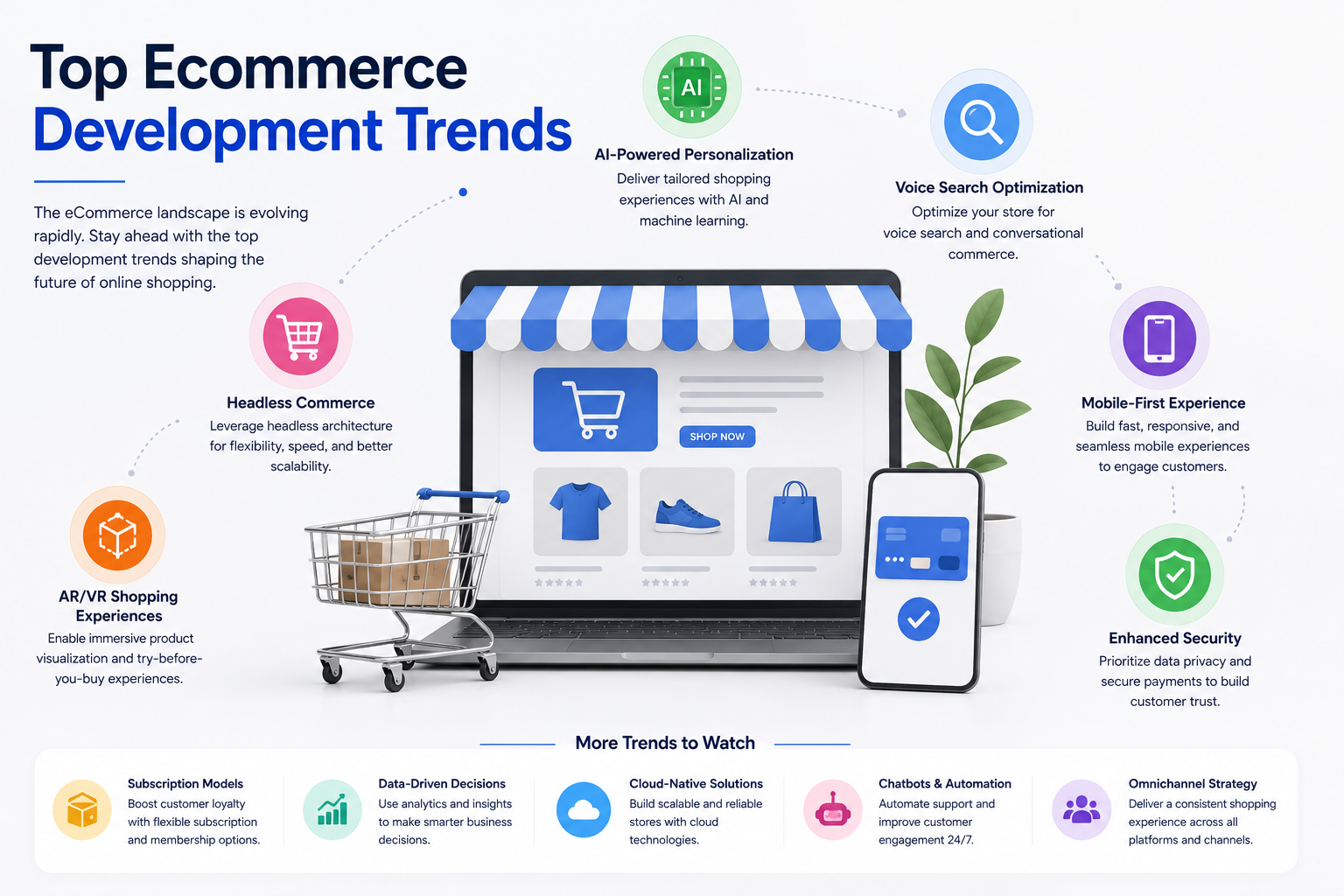
Artificial intelligence is transforming online shopping with personalized recommendations, automated customer support, and predictive analytics. Voice commerce and augmented reality are also reshaping how customers discover and purchase products online.
Despite rapid technological advancements, businesses that prioritize convenience, trust, website performance, and customer satisfaction will continue to achieve stronger conversion rates and long-term growth.
Conclusion
Building a high-converting eCommerce website requires more than attractive design or advanced technology. Success comes from understanding customer needs and creating an experience that makes browsing, evaluating, and purchasing products as simple as possible. Every element of the website should contribute to reducing friction and increasing customer confidence.
Businesses that focus on user experience, website performance, trust-building, mobile optimization, SEO, and continuous improvement are far more likely to achieve sustainable growth. By implementing the strategies discussed in this guide, organizations can create eCommerce websites that not only attract visitors but consistently convert them into loyal customers.