+91 9898181101
 +1 (647) 971-4687
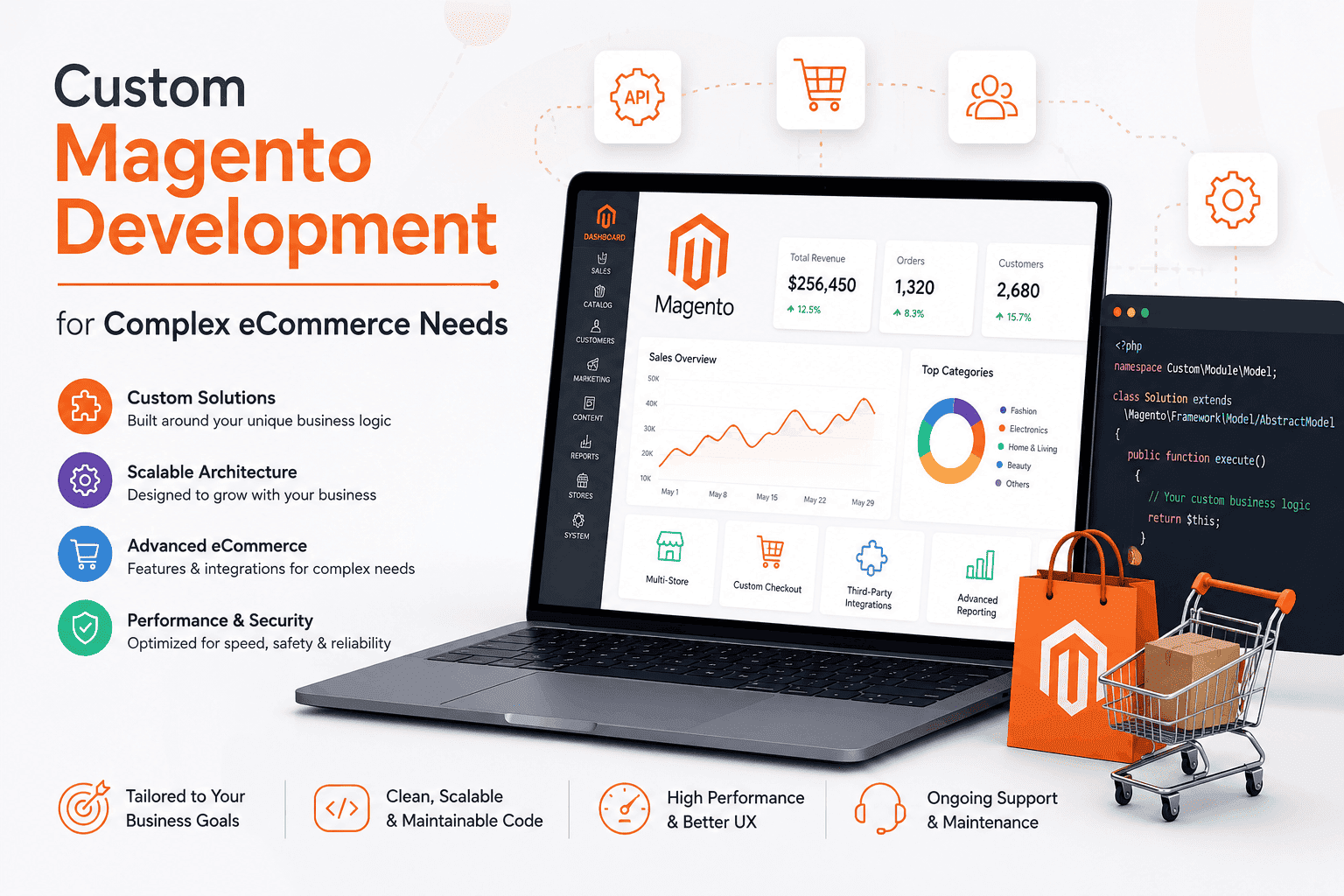
Custom Magento Development for Complex eCommerce Needs
Custom Magento Development for Complex eCommerce Needs
The eCommerce industry has evolved significantly over the past decade. Customers now expect personalized shopping experiences, fast website performance, flexible payment options, and seamless interactions across multiple devices. While standard eCommerce platforms provide a strong starting point, many growing businesses eventually reach a point where out-of-the-box functionality is no longer enough. This is where custom Magento development becomes an essential investment.
Magento has earned a reputation as one of the most powerful and flexible eCommerce platforms available today. It provides businesses with a robust foundation for building online stores while offering extensive customization capabilities. Companies with unique operational requirements, specialized product catalogs, complex pricing structures, or multi-store environments often choose Magento because it can be tailored to meet virtually any business need.
Custom Magento development allows organizations to create solutions specifically designed around their workflows, customers, and long-term goals. Rather than adjusting business processes to fit software limitations, businesses can build an eCommerce ecosystem that supports growth, improves efficiency, and delivers exceptional customer experiences. Understanding the value of custom Magento development can help decision-makers make informed choices when planning their digital commerce strategy.
Understanding Custom Magento Development
Custom Magento development refers to the process of modifying, extending, and enhancing Magento’s core capabilities to meet specific business requirements. Instead of relying solely on standard themes and extensions, developers create tailored solutions that align with unique operational goals.
Every business operates differently. A wholesale supplier may require customer-specific pricing, while a manufacturing company may need product customization tools. Similarly, a global retailer may need multiple storefronts, languages, and currencies. These requirements often exceed the capabilities of pre-built features and demand custom development.
One of Magento’s greatest strengths is its modular architecture. This flexibility allows developers to create custom modules, integrate third-party systems, and develop unique features without compromising overall platform stability. Businesses can build exactly what they need rather than settling for generic solutions.
Businesses looking for tailored eCommerce solutions can explore our Magento Development Services to build scalable and feature-rich online stores.
Custom development also ensures better alignment between technology and business objectives. Instead of forcing teams to work around software limitations, Magento can be adapted to support existing processes, improving productivity and customer satisfaction simultaneously.
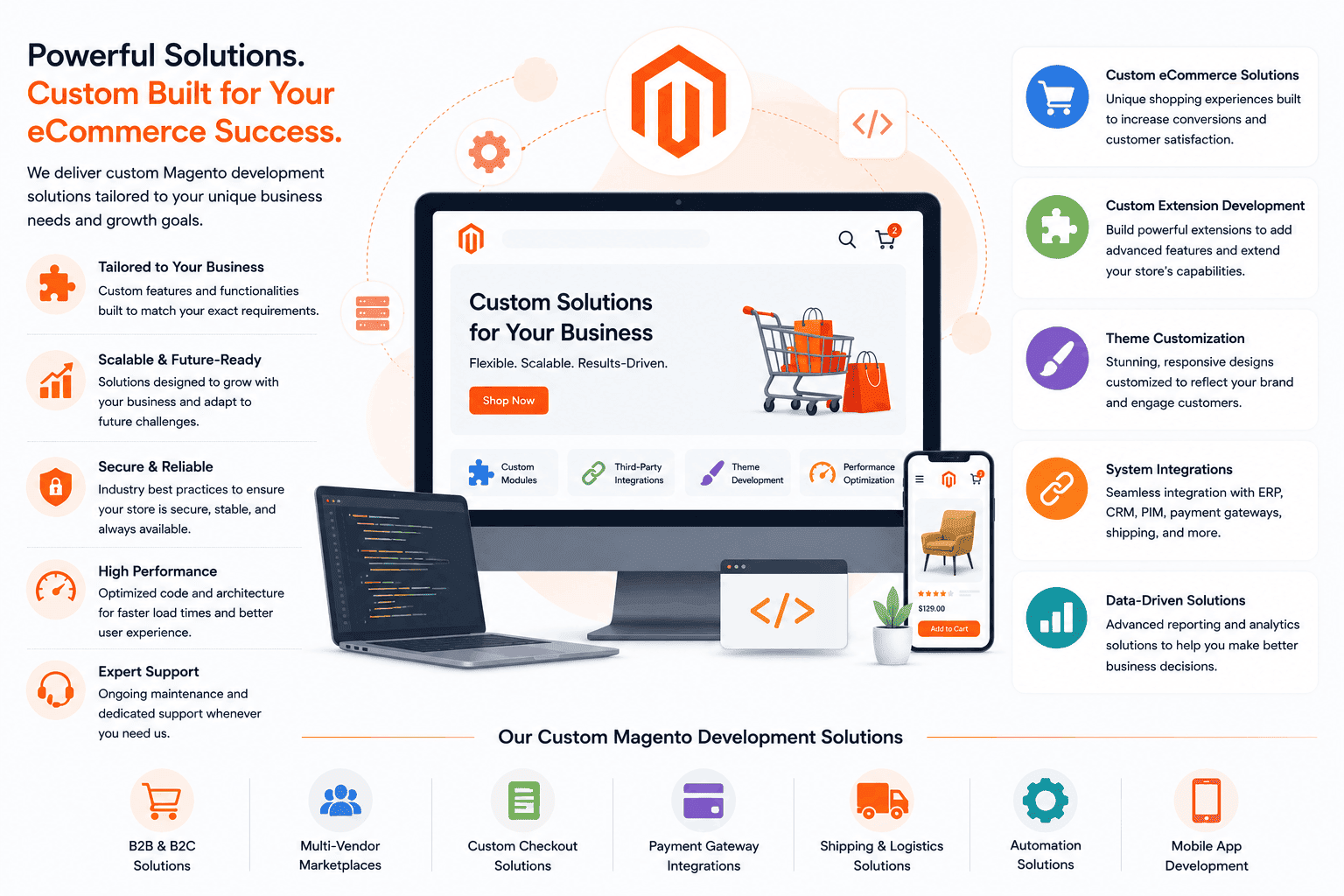
Why Complex eCommerce Businesses Need Custom Magento Solutions
Many businesses start with simple online stores, but growth often introduces complexity. Expanding product catalogs, diverse customer groups, multiple sales channels, and advanced operational requirements create challenges that standard eCommerce setups may struggle to handle effectively.
For example, a B2B company selling industrial equipment may require customer-specific catalogs, negotiated pricing, and custom approval workflows. These requirements differ significantly from traditional retail stores and often need customized functionality.
Similarly, businesses operating internationally face challenges related to taxation, localization, inventory management, and payment processing. Custom Magento development helps address these issues while maintaining a smooth shopping experience for customers worldwide.
Organizations with specialized business models often discover that custom solutions improve efficiency, reduce manual work, and create competitive advantages. Rather than using multiple disconnected tools, they can centralize operations within a customized Magento environment.
Key Areas Where Custom Magento Development Adds Value
Custom Magento development allows businesses to tailor their online stores to specific customer needs, operational workflows, and strategic goals. By implementing customized features and functionality, companies can enhance performance, improve user engagement, and create a more competitive eCommerce experience.

Personalized Customer Experiences
- Custom product recommendations
- Dynamic pricing models
- Customer-specific catalogs
- Personalized promotions
- Loyalty and rewards programs
Modern customers expect relevant experiences. Custom development allows businesses to create shopping journeys tailored to individual customer behaviors and preferences, increasing engagement and conversions.
Advanced Product Management
Many industries deal with complex product structures. Standard catalog functionality may not be sufficient when products include multiple configurations, custom options, or bundled services.
Custom Magento development enables businesses to build product management systems that reflect real-world offerings. This is particularly valuable for manufacturers, wholesalers, and businesses selling highly configurable products.
Businesses can also automate catalog management processes, reducing administrative workload and improving product data accuracy across multiple channels.
Furthermore, advanced inventory logic can be implemented to handle warehouse-specific stock levels, supplier availability, and backorder management more effectively.
Custom Integrations for Business Operations
One of the most common reasons businesses invest in custom Magento development is the need for system integration. Modern organizations rely on multiple software solutions that must work together efficiently.
Magento can be integrated with ERP systems, CRM platforms, inventory management software, accounting tools, and shipping providers. Learn more about Adobe Commerce Documentation for official integration capabilities.
For example, when a customer places an order, information can automatically flow between Magento and the company’s ERP system. Inventory updates, order processing, and customer records remain synchronized across all platforms.
This level of automation not only saves time but also reduces the risk of costly errors that can negatively impact customer satisfaction and business performance.
Building Scalable eCommerce Infrastructure
As businesses grow, website traffic, product catalogs, and transaction volumes increase significantly. Scalability becomes a critical consideration for long-term success.
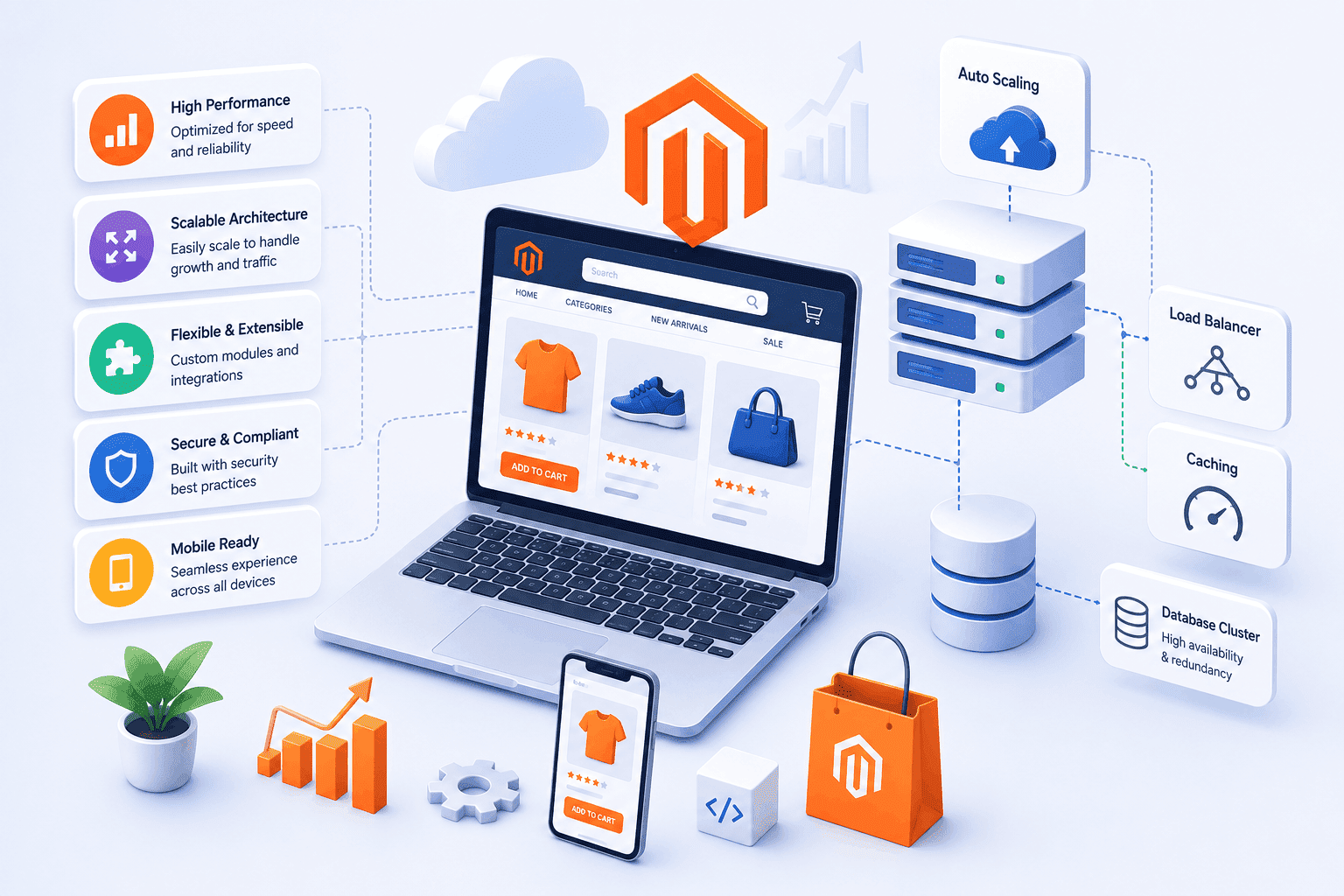
Custom Magento development allows businesses to optimize their infrastructure for growth. Developers can implement performance enhancements, caching mechanisms, database optimizations, and server configurations tailored to specific requirements.
Scalable architecture ensures that websites continue performing efficiently during peak traffic periods such as holiday sales, promotional campaigns, and product launches.
Investing in scalability early helps businesses avoid performance bottlenecks that can lead to lost sales and customer frustration.
Benefits of Custom Magento Development for Enterprise Businesses
Enterprise-level organizations often operate within highly complex environments that require specialized functionality.
Improved Operational Efficiency
- Automated workflows
- Reduced manual processes
- Better data synchronization
- Faster order processing
- Enhanced inventory management
Automation reduces administrative burdens and allows teams to focus on higher-value activities that contribute directly to business growth.
Greater Competitive Advantage
Custom features help businesses differentiate themselves in crowded markets. Rather than offering the same shopping experience as competitors, companies can create unique capabilities that improve customer satisfaction.
Whether it is advanced search functionality, specialized checkout processes, or industry-specific tools, customized solutions help brands stand out and build stronger customer relationships.
Following Adobe Commerce Developer Best Practices also helps ensure long-term scalability and maintainability.
Common Custom Magento Development Features
- Multi-vendor marketplaces
- Subscription-based purchasing systems
- Custom product configurators
- Advanced search and filtering
- Customer-specific pricing engines
- B2B procurement portals
- Multi-store management systems
These features extend Magento beyond traditional online retail and support a wide range of business models.
Key Factors to Consider Before Starting a Custom Magento Project
Before investing in custom Magento development, businesses should carefully evaluate key factors that influence project success, cost efficiency, and long-term scalability.
Key Considerations Before Starting Magento Development
- Define clear business goals and expected outcomes.
- Identify specific problems the custom solution should solve.
- Involve stakeholders from multiple departments during planning.
- Select an experienced Magento development partner with a proven portfolio.
- Ensure strong communication and transparent project management practices.
Common Mistakes Businesses Should Avoid
Over-Customization & Performance Neglect
- Adding unnecessary or low-value features
- Complicating user experience and navigation
- Increasing long-term maintenance and development costs
- Slowing down website performance and responsiveness
- Overlooking performance optimization during development
Customization should always align with business objectives while maintaining excellent website performance.
The Future of Custom Magento Development
The future of eCommerce continues to evolve rapidly, creating new opportunities for businesses using Magento.
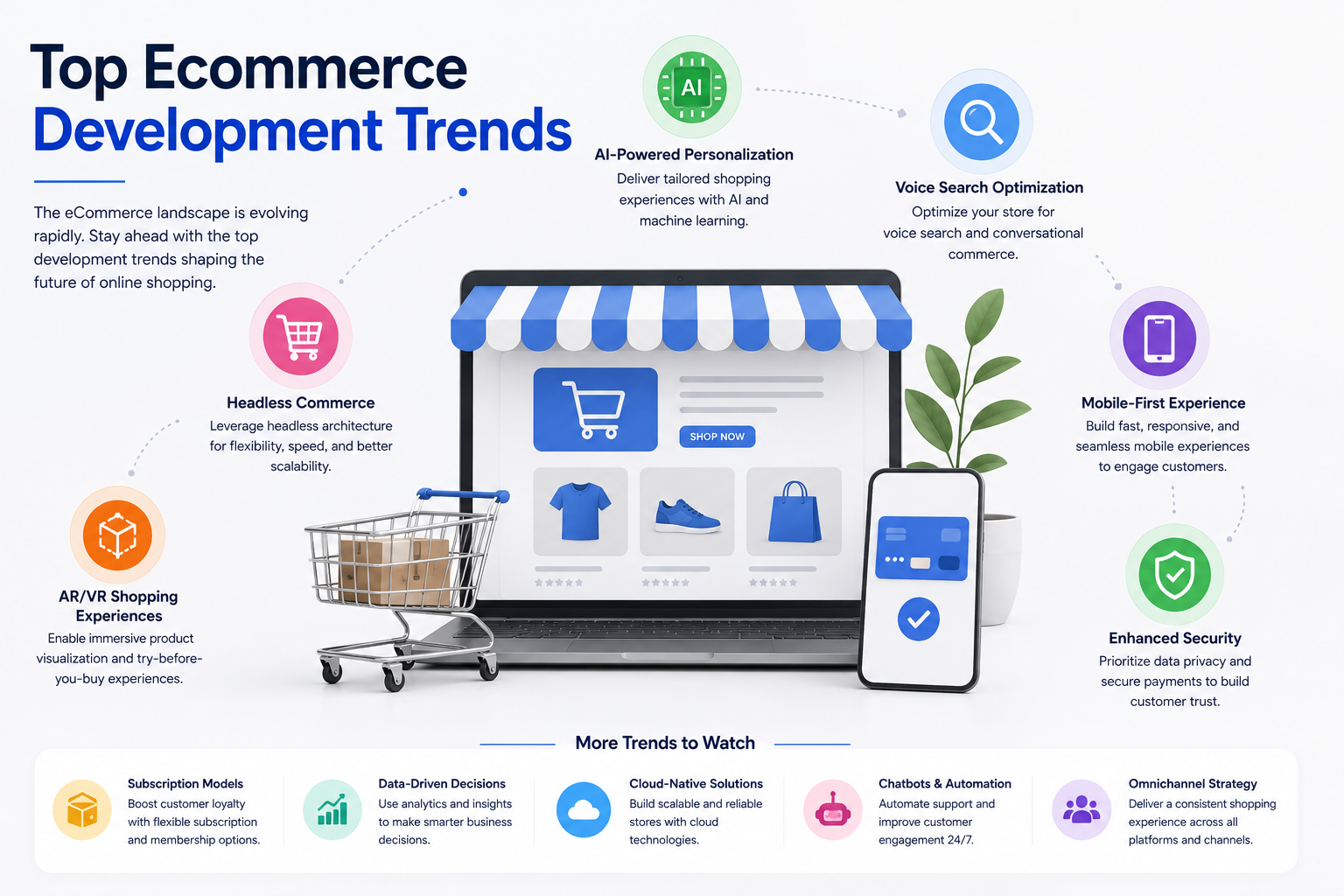
Artificial intelligence, headless commerce, advanced analytics, automation, and omnichannel commerce strategies will continue driving demand for custom Magento development.
Real-World Example of Custom Magento Success
Consider a wholesale distributor managing thousands of products and serving customers across multiple regions.
Through custom Magento development, the business implemented personalized pricing structures, integrated its ERP system, and automated inventory synchronization.
The company reduced manual administrative work, improved inventory accuracy, accelerated order processing, and enhanced customer satisfaction.
Conclusion
Custom Magento development provides businesses with the flexibility, scalability, and functionality needed to address complex eCommerce challenges. Rather than relying on generic solutions, organizations can build tailored platforms that align perfectly with their operational requirements, customer expectations, and growth objectives.
As eCommerce continues evolving, investing in custom Magento development is a strategic decision that enables businesses to improve efficiency, deliver superior customer experiences, and achieve sustainable long-term growth.