+91 9898181101
 +1 (647) 971-4687
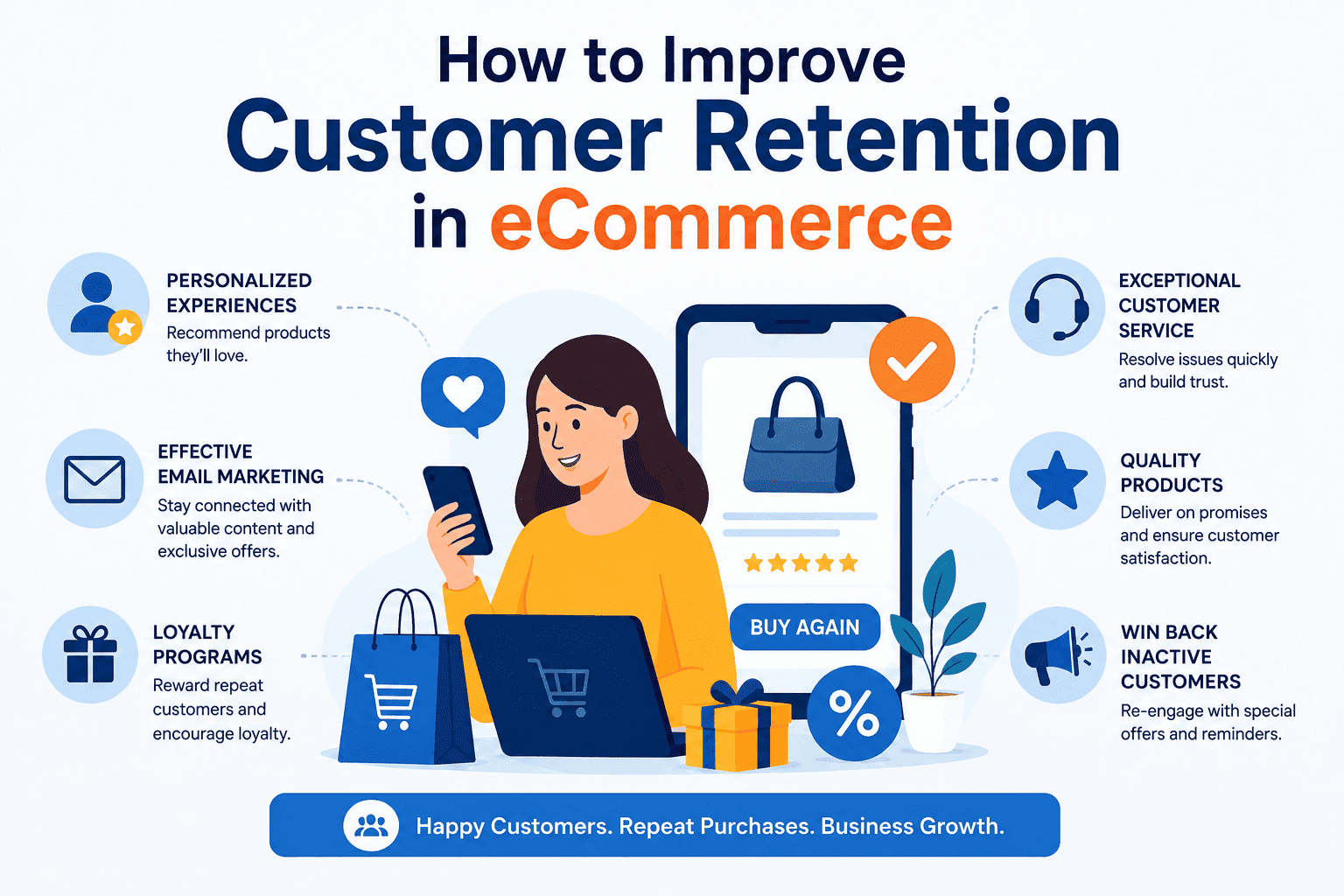
How to Improve Customer Retention in eCommerce
The eCommerce industry has become more competitive than ever. New online stores enter the market every day, giving customers countless options to choose from. While attracting new customers remains important, businesses that focus only on acquisition often overlook one of the most profitable opportunities available—retaining existing customers. A customer who already trusts your brand is far more likely to make future purchases than someone who has never bought from you before.
Customer retention is the process of encouraging customers to continue purchasing from your business over time. It involves creating positive experiences, building trust, and delivering consistent value that keeps shoppers returning. Strong retention strategies help businesses reduce marketing costs, increase revenue, and create a loyal customer base that supports long-term growth.
Many successful eCommerce brands generate a significant percentage of their revenue from repeat customers. These customers often spend more, purchase more frequently, and recommend the brand to others. This makes retention one of the most important growth factors for online businesses.
In this guide, we will explore practical and effective ways to improve customer retention in eCommerce. From creating exceptional shopping experiences to building meaningful relationships after the sale, these strategies can help transform occasional buyers into loyal customers who continue supporting your business for years.
Understanding the True Value of Customer Retention
Customer retention is not simply about convincing people to buy again. It is about creating long-term relationships that benefit both the customer and the business. Retained customers contribute to predictable revenue streams and often become ambassadors who help promote the brand through word-of-mouth recommendations.
When businesses focus on retention, they can maximize customer lifetime value. Instead of earning revenue from a single transaction, they create multiple opportunities to generate sales from the same customer over time. This significantly improves profitability because acquiring new customers typically costs more than retaining existing ones.
Another important advantage of customer retention is trust. Returning customers already know what to expect from your products and services. This familiarity reduces hesitation during future purchases and makes customers more comfortable spending larger amounts.
Retention also provides valuable business stability. During periods when advertising costs rise or customer acquisition becomes more challenging, a loyal customer base helps maintain sales performance. This creates a stronger foundation for sustainable growth.
Deliver an Outstanding First Impression
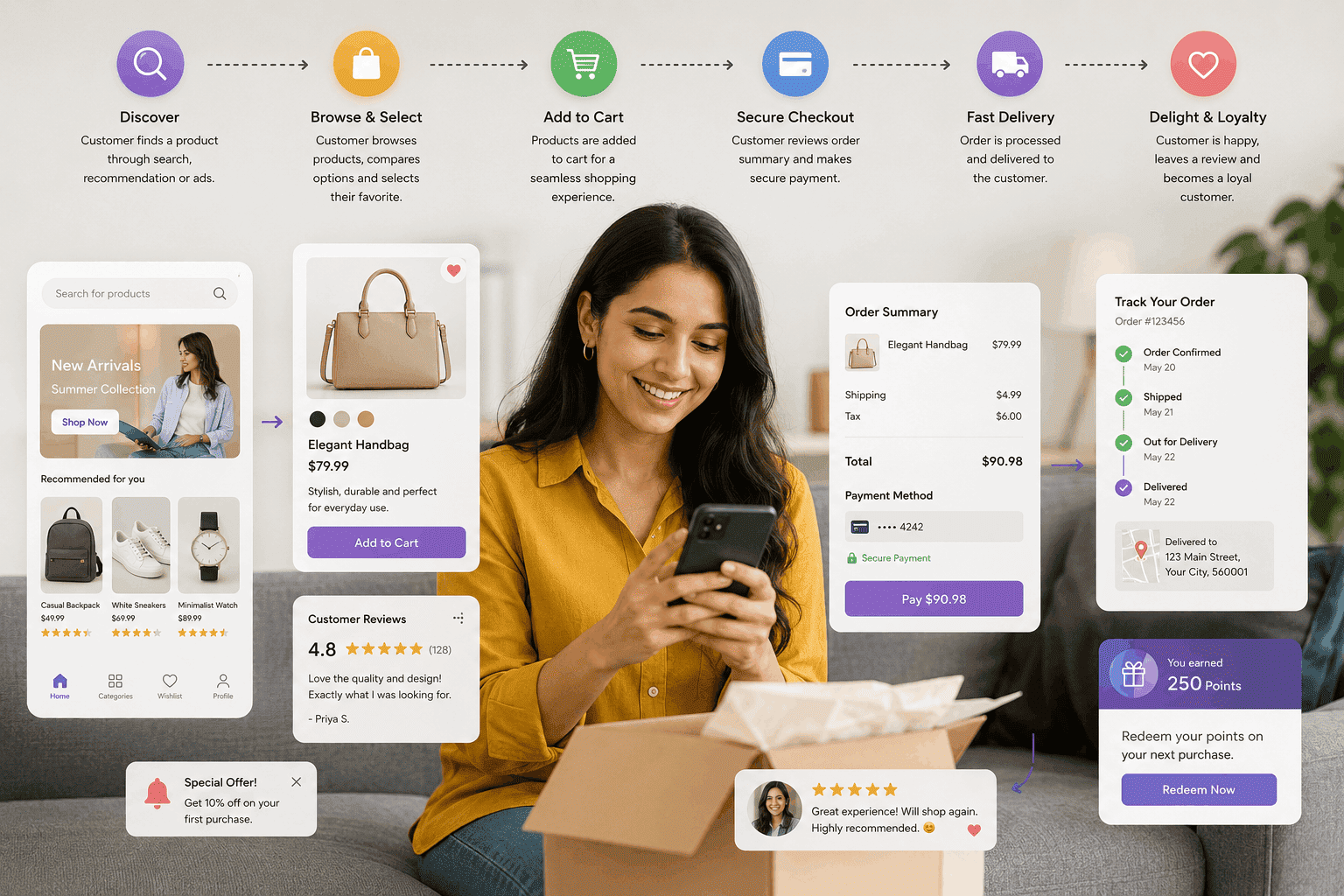
The first shopping experience often determines whether a customer returns or leaves permanently. Every interaction during the initial purchase journey should be designed to create confidence and satisfaction.
Customers expect clear product information, high-quality images, accurate pricing, and a simple checkout process. Businesses investing in professional eCommerce development services can create seamless shopping experiences that encourage repeat purchases.
Order fulfillment also plays a critical role in shaping first impressions. Fast shipping, secure packaging, and timely delivery demonstrate professionalism and reliability. Customers are more likely to trust brands that consistently deliver on their promises.
The post-purchase experience is equally important. Sending confirmation emails, tracking updates, and delivery notifications reassures customers that their order is being handled properly. These small touchpoints contribute significantly to customer satisfaction.
A positive first experience creates the foundation for long-term retention. Customers who feel confident in your brand are far more likely to become repeat buyers.
Build Trust Through Consistent Brand Experiences
Trust is one of the strongest drivers of customer loyalty. Customers return to businesses they believe will consistently meet their expectations. Building trust requires delivering the same level of quality and service across every interaction.
A brand should maintain consistency in product quality, customer service, website performance, and communication. Customers should feel confident that they will receive the same positive experience every time they shop.
Transparency is another important trust-building factor. Businesses should provide honest product descriptions, clear shipping policies, and straightforward return procedures. Following best practices recommended by Baymard Institute can help improve usability and customer confidence.
Reliability strengthens relationships over time. When customers repeatedly receive exactly what they expect, trust naturally develops. This trust becomes a powerful reason for customers to continue choosing your business over competitors.
Strong trust not only increases retention but also encourages customers to spend more and recommend your brand to others.
Personalize the Shopping Journey for Every Customer
Modern consumers expect personalized experiences. Generic marketing messages often fail to capture attention because customers prefer content and recommendations that reflect their interests and preferences.
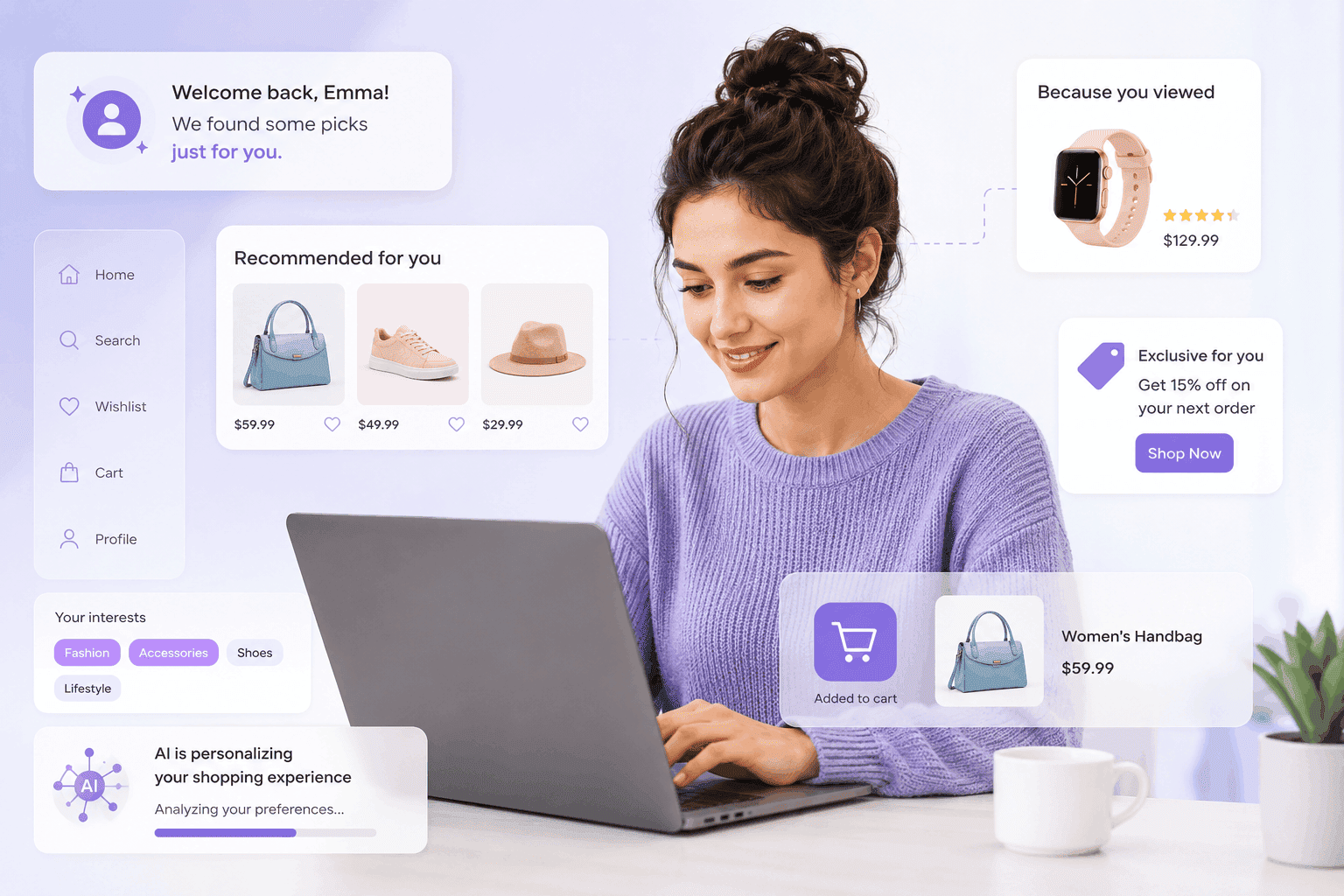
Personalization begins with understanding customer behavior. Businesses can analyze browsing patterns, purchase history, and product preferences to create more relevant shopping experiences. This information helps deliver recommendations that genuinely match customer needs.
Personalized product suggestions can significantly improve customer engagement. When shoppers see items that complement previous purchases or align with their interests, they are more likely to return and make additional purchases.
Email campaigns also benefit from personalization. Rather than sending the same message to everyone, businesses can tailor promotions, recommendations, and content to specific customer segments. This makes communication more meaningful and effective.
As technology continues to advance, personalization will become even more important. Customers increasingly expect brands to understand their preferences and provide experiences that feel relevant and valuable.
Strengthen Relationships with Effective Loyalty Programs
Loyalty programs remain one of the most successful customer retention tools in eCommerce. They provide customers with additional reasons to continue shopping while rewarding them for their ongoing support.
An effective loyalty program should be simple, easy to understand, and genuinely beneficial. Customers should immediately recognize the value they receive from participating.
Key Elements of Successful Loyalty Programs
- Reward points for purchases
- Exclusive member discounts
- Early access to new products
- Birthday rewards and special offers
- Referral incentives
- VIP membership tiers
Beyond financial rewards, loyalty programs create emotional connections. Customers enjoy feeling recognized and appreciated. When they receive exclusive benefits, they develop a stronger relationship with the brand.
Businesses that continuously improve and expand their loyalty programs often see higher repeat purchase rates and increased customer lifetime value.
Enhance Customer Service at Every Stage
Customer service can be a deciding factor in whether customers stay loyal to a brand. Even excellent products may not be enough if customers struggle to get assistance when problems arise.
Responsive support demonstrates that a business values its customers. Quick responses to inquiries help build confidence and reduce frustration. Customers appreciate knowing that help is available when they need it.
Empathy is equally important. Customer service representatives should focus on understanding customer concerns and providing solutions rather than simply following scripts. Personalized support creates stronger emotional connections.
The returns process also influences retention. Customers want returns and exchanges to be simple and hassle-free. A complicated process can discourage future purchases, even if the product itself is satisfactory.
Businesses that consistently deliver exceptional support often turn challenging situations into opportunities to strengthen customer loyalty.
Keep Customers Engaged After the Purchase
Many businesses lose valuable retention opportunities because communication ends once the sale is completed. Ongoing engagement helps maintain relationships and encourages future purchases.
Customers appreciate follow-up communication that adds value rather than simply promoting more products. Educational content, product usage tips, and maintenance recommendations help customers get more value from their purchases.
Effective Post-Purchase Engagement Strategies
- Thank-you emails
- Product tutorials and guides
- Customer satisfaction surveys
- Product review requests
- Reorder reminders
- Personalized recommendations
These interactions demonstrate that the relationship extends beyond the transaction. Customers feel supported and appreciated, which increases the likelihood of future purchases.
Create a Seamless Omnichannel Experience
Today’s consumers interact with brands across multiple channels, including websites, social media platforms, email, mobile apps, and customer support channels. Customers expect these experiences to be connected and consistent.
A seamless omnichannel strategy ensures customers can move between channels without confusion. Information should remain consistent regardless of where interactions occur.
Businesses can also learn from customer experience research published by Shopify to improve omnichannel engagement and long-term customer loyalty.
Use Customer Feedback as a Growth Tool
Customer feedback offers valuable insights into what customers appreciate and what needs improvement. Businesses that actively collect and act on feedback often develop stronger retention strategies.
Valuable Feedback Sources
- Product reviews
- Customer surveys
- Live chat conversations
- Social media comments
- Support tickets
- Email responses
Listening to customers demonstrates that their opinions matter. When businesses implement customer suggestions, they strengthen trust and improve satisfaction.
Common Retention Mistakes That Reduce Customer Loyalty
Many businesses unintentionally damage retention through avoidable mistakes. Understanding these issues can help organizations develop stronger customer relationships.
Common Mistakes
- Focusing only on acquiring new customers.
- Sending excessive promotional emails.
- Poor communication and unclear policies.
- Ignoring customer feedback.
- Providing inconsistent customer experiences.
Future Trends Shaping eCommerce Customer Retention
Customer retention strategies continue to evolve as technology and consumer expectations change. Artificial intelligence is transforming personalization by delivering highly relevant recommendations and offers.
Subscription models are becoming increasingly popular, while community-building, sustainability, and ethical business practices continue to influence customer loyalty decisions.
Conclusion
Customer retention is one of the most valuable growth strategies in eCommerce. While attracting new customers remains important, long-term success depends on building relationships that encourage customers to return repeatedly.
By focusing on trust, personalization, exceptional customer service, post-purchase engagement, and continuous improvement, businesses can increase repeat purchases, maximize customer lifetime value, and build a loyal customer base that supports sustainable growth for years to come.