+91 9898181101
 +1 (647) 971-4687
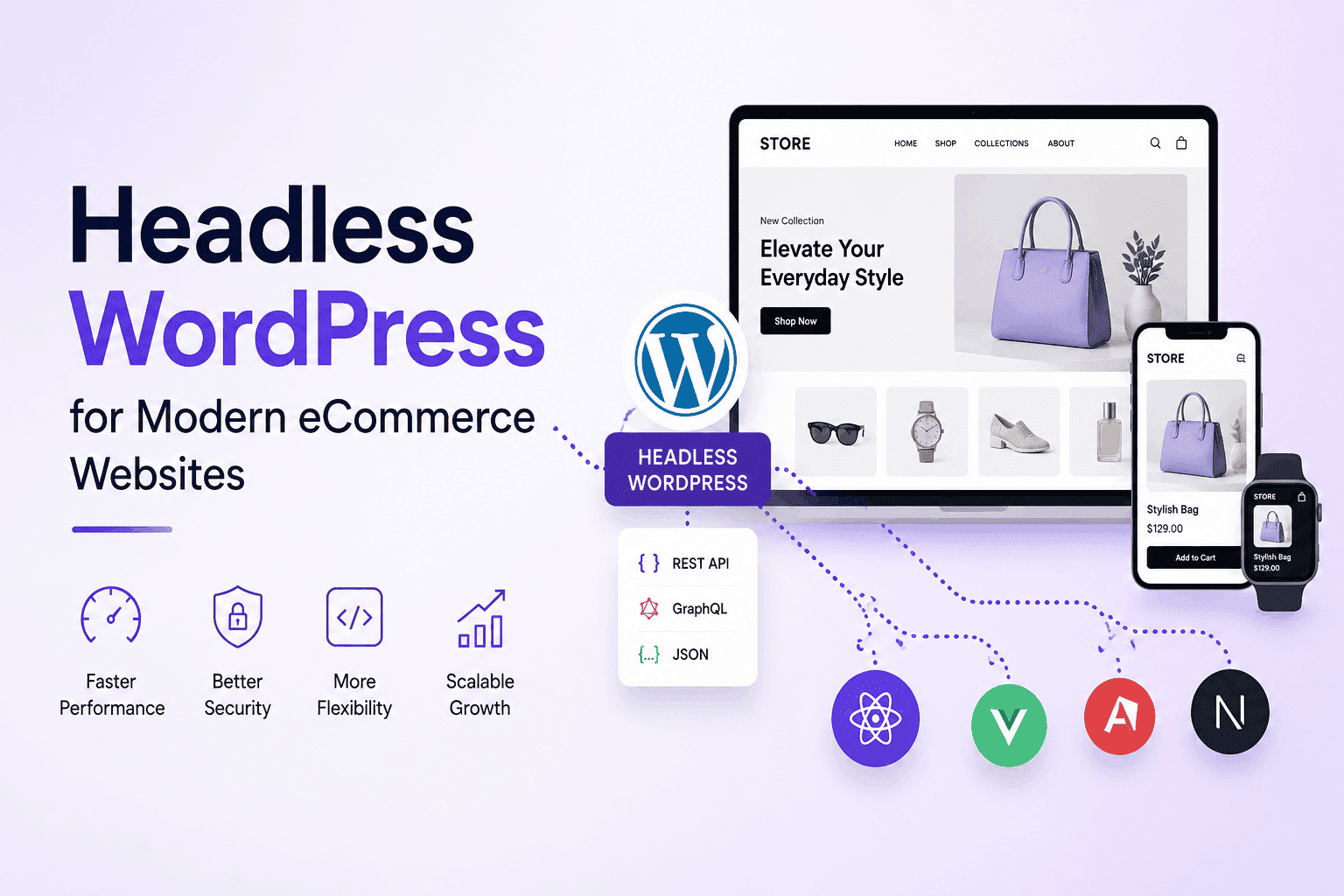
Headless WordPress for Modern eCommerce Websites
The eCommerce industry has evolved significantly over the last decade. Customers now expect fast-loading websites, personalized shopping experiences, seamless mobile browsing, and smooth interactions across multiple digital channels. Traditional website architectures can sometimes struggle to keep pace with these growing expectations, especially as online stores become more complex and customer journeys span websites, mobile apps, social media platforms, and digital marketplaces. This is where Headless WordPress has emerged as a modern solution for forward-thinking eCommerce businesses.
Headless WordPress separates the content management system from the front-end presentation layer. In a traditional WordPress website, the content management system and website display are tightly connected. With a headless approach, WordPress continues to manage content while a separate front-end technology handles the customer-facing experience. This separation provides businesses with greater flexibility, improved performance, and enhanced opportunities for innovation.
For eCommerce brands looking to create highly engaging digital shopping experiences, Headless WordPress offers a powerful combination of WordPress’s content management capabilities and modern front-end technologies. As competition continues to increase in online retail, many businesses are exploring headless architecture as a way to gain a competitive advantage while future-proofing their digital presence.
Understanding Headless WordPress
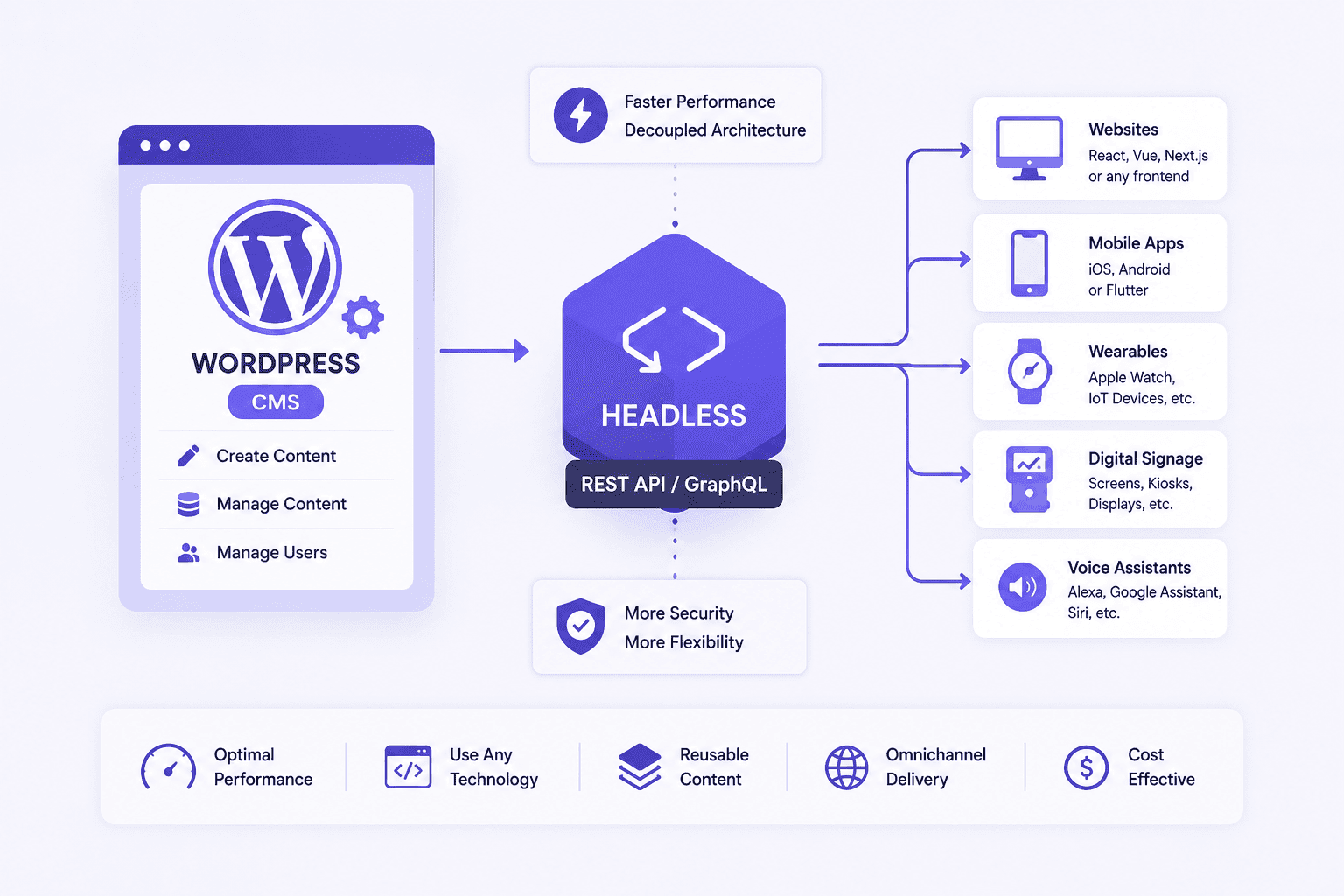
Headless WordPress is a website architecture where WordPress acts solely as the content management backend. Instead of generating the website pages directly, WordPress provides content through APIs, which are then consumed by a separate front-end application.
In a traditional WordPress setup, themes control how content appears on the website. Every page request is processed through WordPress before being displayed to visitors. While this approach works well for many businesses, it can introduce limitations when organizations need advanced customization, faster performance, or multi-channel content delivery.
With Headless WordPress, developers can use modern frameworks such as React, Next.js, Vue.js, or Angular to create highly dynamic front-end experiences. The content remains managed within WordPress, allowing content teams to continue using a familiar platform while developers gain greater creative freedom. Learn more about our WordPress Development services for scalable eCommerce solutions.
Why Modern eCommerce Businesses Are Exploring Headless WordPress
Customer expectations have changed dramatically. Shoppers expect websites to load instantly, provide personalized recommendations, and function flawlessly regardless of the device they use. Businesses that fail to meet these expectations risk losing customers to competitors.
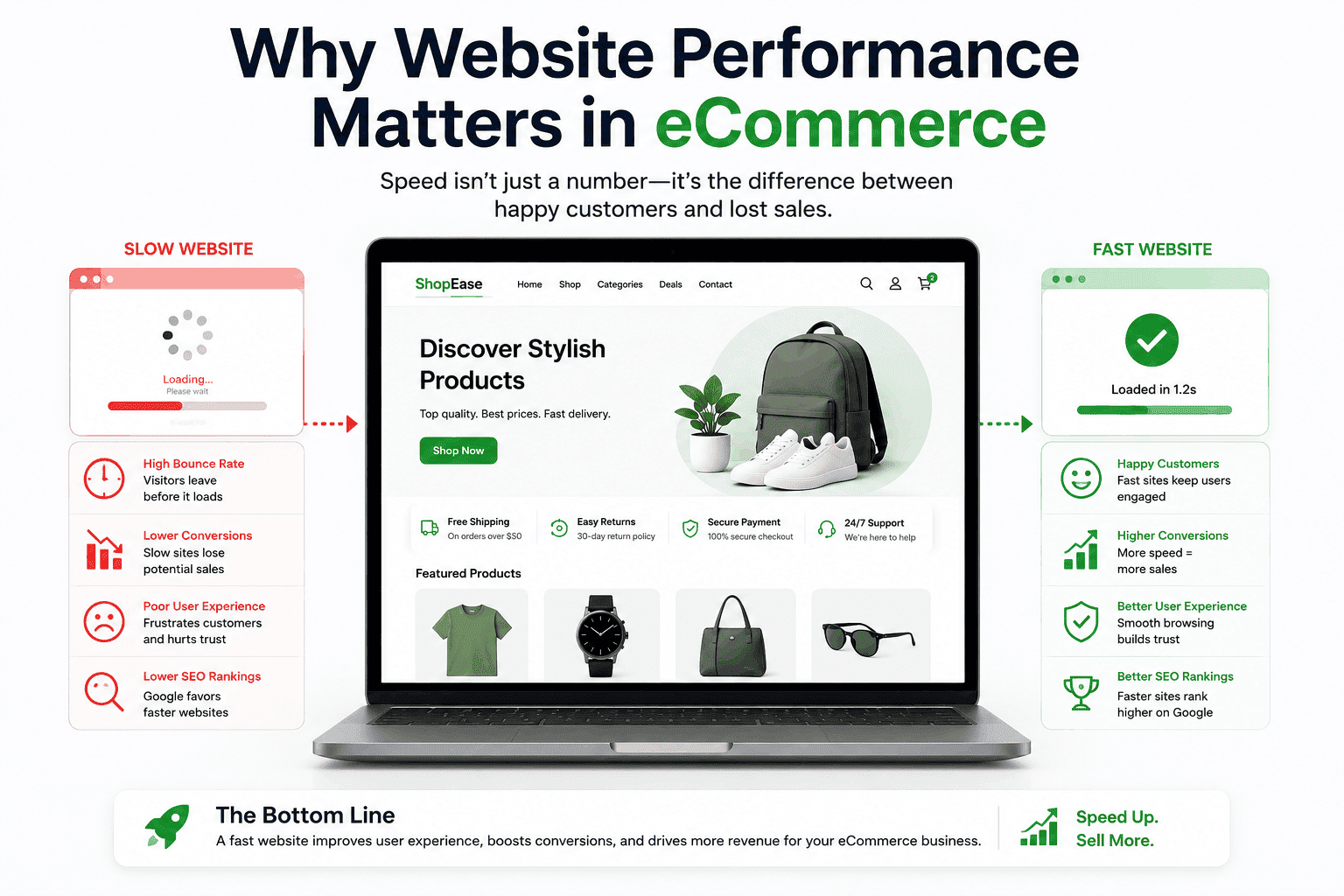
Headless WordPress helps address these challenges by enabling developers to build highly optimized front-end experiences that prioritize speed and responsiveness. Faster websites often result in better user engagement, lower bounce rates, and improved conversion rates.
Another reason for growing adoption is the increasing importance of omnichannel commerce. Modern customers may discover products through social media, browse through a mobile app, compare prices on a website, and complete purchases on another device. Headless architecture makes it easier to deliver consistent content across these touchpoints.
How Headless WordPress Works for eCommerce
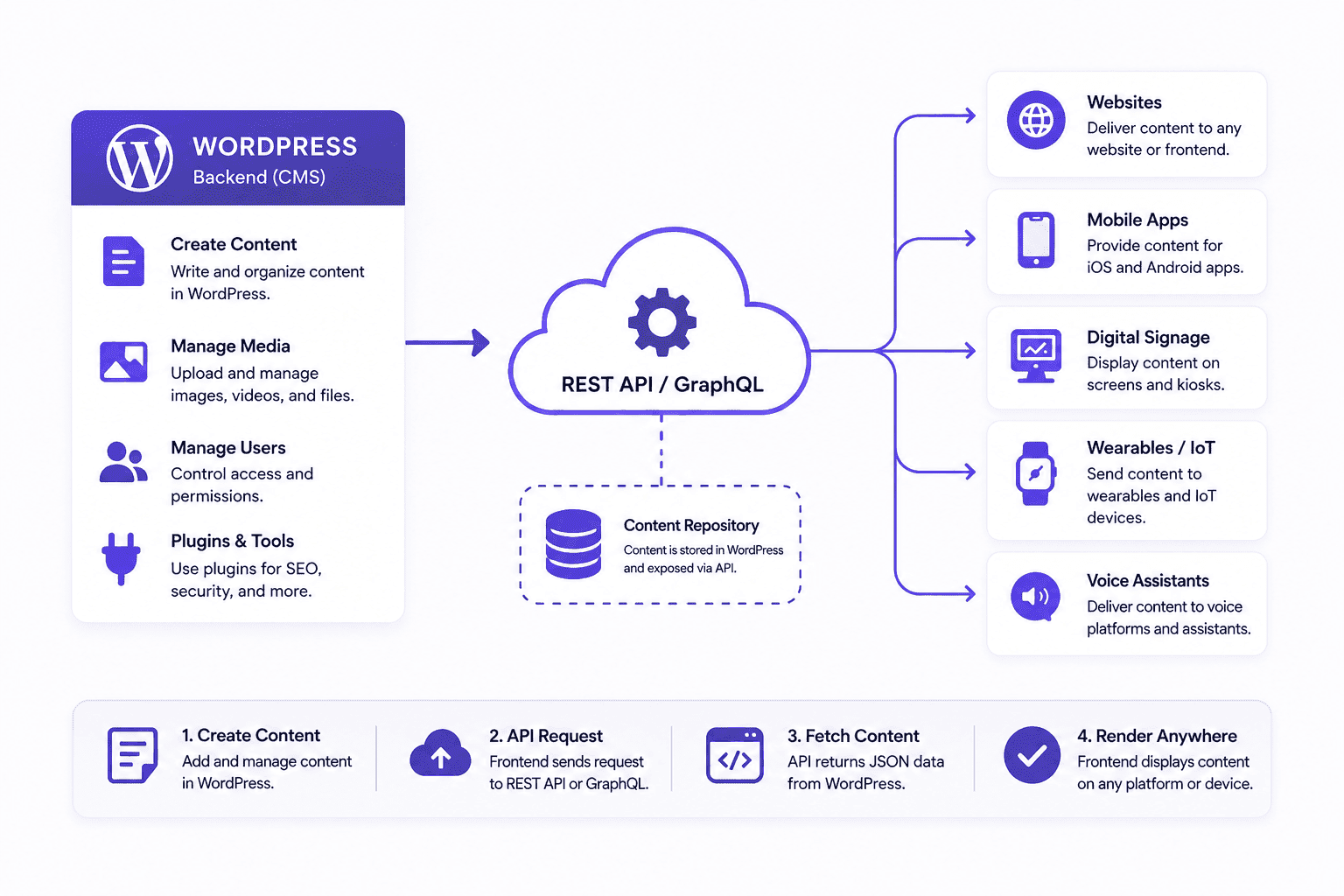
In a headless setup, WordPress remains responsible for storing and managing content such as product descriptions, blog articles, landing pages, customer resources, and marketing content. This information is then delivered through APIs.
The front-end application requests content from WordPress whenever needed. Instead of relying on WordPress themes, the front-end framework controls how information is displayed to users. This separation creates a more flexible and scalable environment for development.
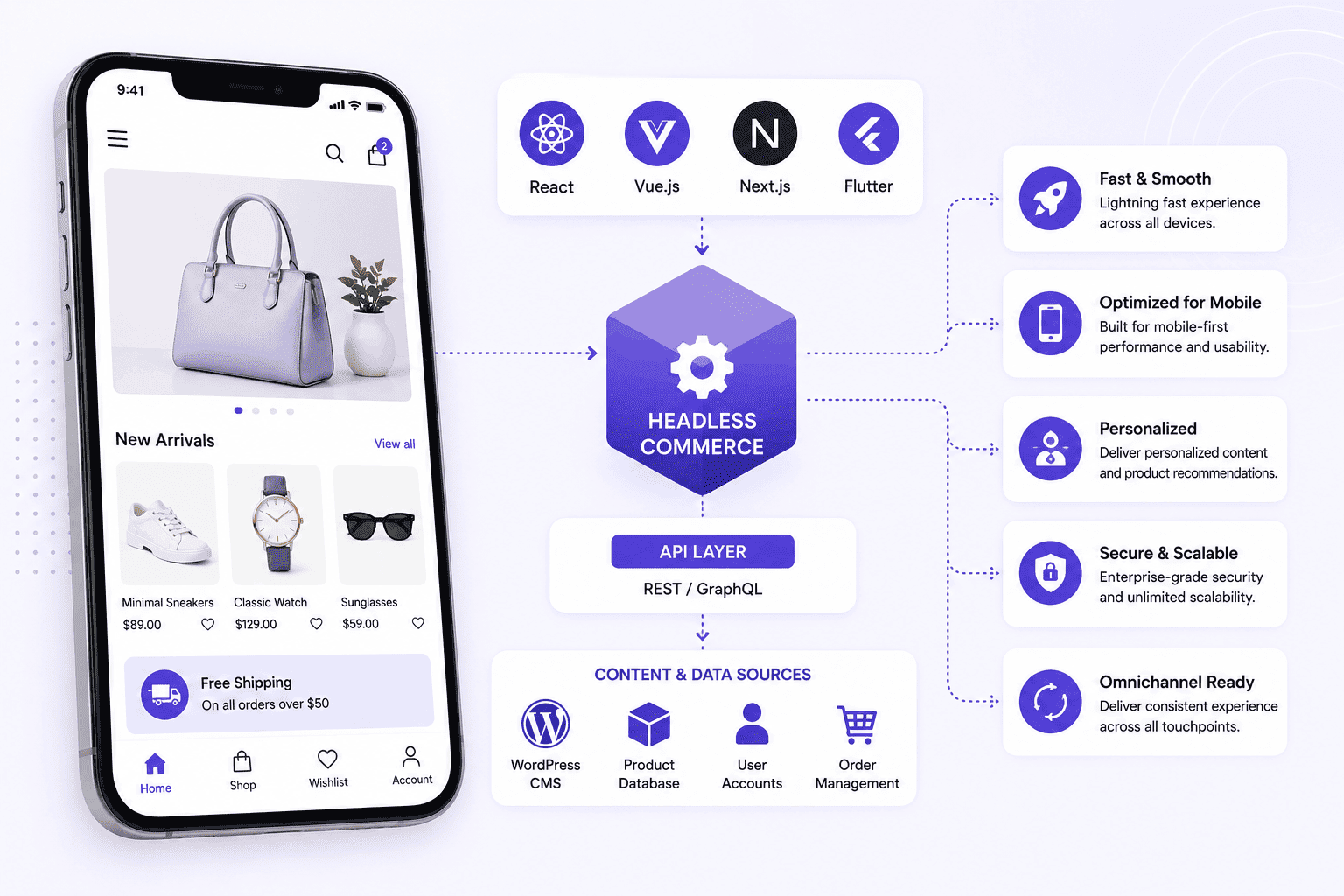
For eCommerce websites, product data may come from platforms such as WooCommerce or other commerce solutions. The front-end application retrieves product information and displays it through customized interfaces optimized for customer engagement and conversions.
Key Benefits of Headless WordPress for eCommerce Websites
Several factors have contributed to the growing popularity of Headless WordPress among online retailers. It offers improved performance, greater flexibility, and enhanced scalability for modern eCommerce needs.
- Faster website performance and page loading speeds
- Greater flexibility in front-end design and development
- Improved mobile shopping experiences
- Enhanced security through architecture separation
- Easier integration with third-party tools and services
Improved Website Speed and Performance
Website speed plays a critical role in eCommerce success. Research consistently shows that slow-loading websites lead to higher abandonment rates and lower conversions. Even a few seconds of delay can significantly affect revenue.
Headless WordPress allows developers to build optimized front-end experiences using modern frameworks that prioritize speed. Since pages can be pre-rendered or generated statically, customers often experience much faster loading times. Read Google’s recommendations on web performance optimization to understand why speed matters.
Enhanced Mobile Shopping Experiences
Mobile commerce continues to grow rapidly across all industries, making mobile optimization a critical factor for eCommerce success.
- Mobile-first design approach for better usability
- Faster navigation and smoother user interactions
- Optimized performance for smartphones and tablets
- Improved conversion rates on mobile devices
Greater Design Freedom and Customization
Traditional WordPress themes can sometimes limit creativity, especially for brands seeking highly unique customer experiences. Headless WordPress removes many of these restrictions, allowing developers to create entirely custom interfaces tailored to business goals.
Better Scalability for Growing Businesses
As online stores grow, they face increasing demands such as higher traffic, larger product catalogs, and more complex integrations. Headless WordPress improves scalability by separating the front-end and back-end systems.
- Independent front-end and back-end scaling
- Handles high traffic and large product catalogs
- Faster addition of new features and integrations
- Improved performance during business growth
Stronger Security Advantages
Security remains a major concern for eCommerce businesses handling customer information and transactions. The headless approach separates the presentation layer from the WordPress backend, reducing potential attack surfaces when combined with best security practices.
Omnichannel Content Delivery Opportunities
Headless WordPress allows businesses to manage and distribute content efficiently across websites, mobile apps, kiosks, and other digital touchpoints from a single system.
This centralized approach improves workflow efficiency while maintaining consistent brand messaging. Learn more about API-driven development from the WordPress REST API documentation.
Key Factors to Consider Before Choosing Headless WordPress
- Current business goals and digital strategy
- Development expertise and technical resources
- Budget for implementation and maintenance
- Expected website traffic and future growth plans
- Integration requirements with existing systems
- Long-term scalability objectives
Common Mistakes Businesses Make
Many organizations adopt Headless WordPress simply because it is considered modern without evaluating whether it aligns with their business objectives. Others underestimate development complexity or overlook content workflows and performance optimization.
Real-World Applications of Headless WordPress in eCommerce
Leading retailers, fashion brands, technology companies, and subscription businesses use headless architecture to deliver highly personalized shopping experiences, support international expansion, and improve customer engagement.
The Future of Headless WordPress in eCommerce
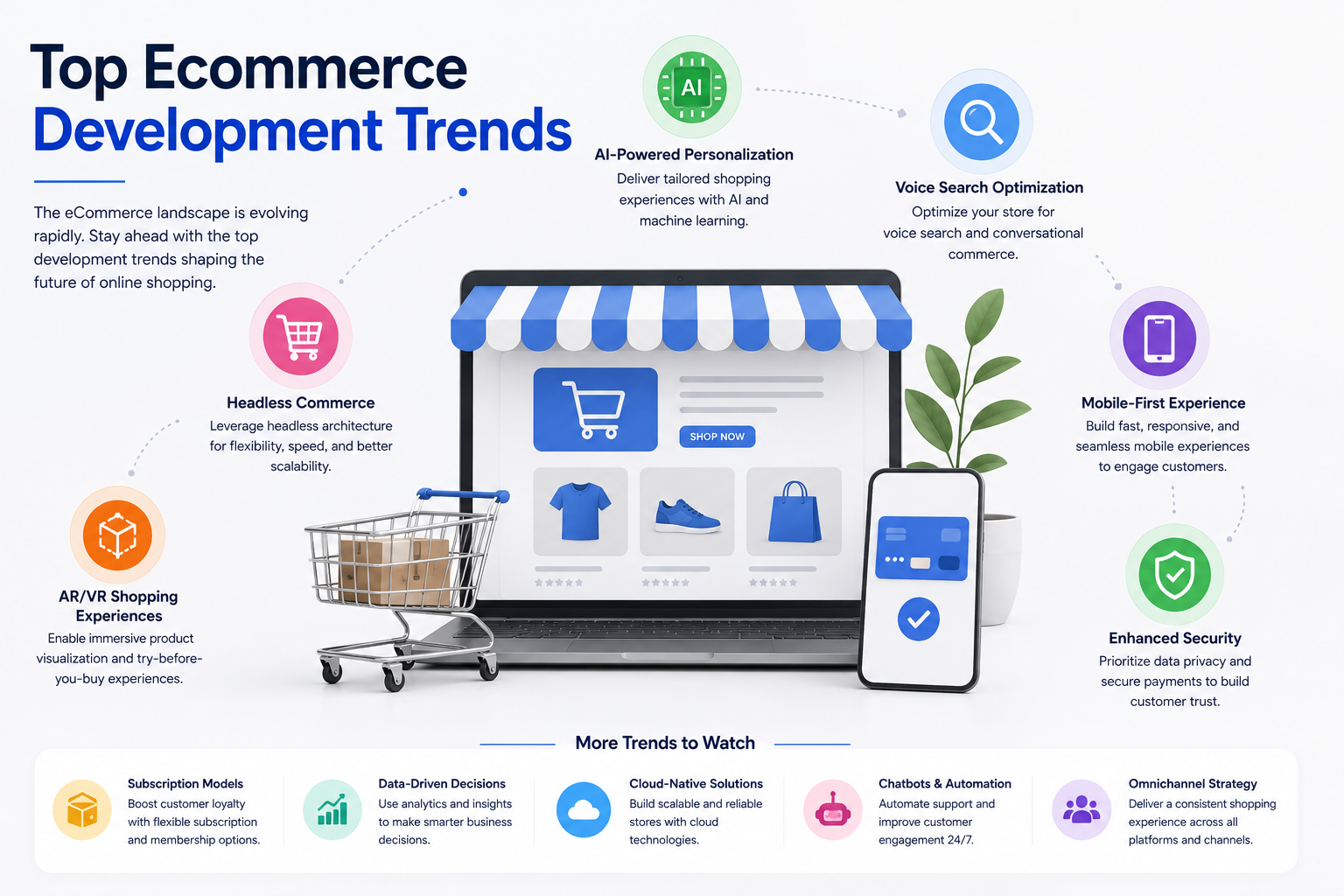
The future of eCommerce increasingly revolves around personalization, speed, flexibility, and omnichannel engagement. Headless WordPress provides a scalable foundation for integrating emerging technologies such as artificial intelligence, voice commerce, augmented reality, and advanced analytics.
Conclusion
Headless WordPress represents a significant evolution in how modern eCommerce websites are built and managed. By separating content management from front-end presentation, businesses gain greater flexibility, improved performance, enhanced scalability, and stronger opportunities for innovation. With the right strategy and technical expertise, Headless WordPress can provide a future-ready foundation for delivering exceptional digital shopping experiences.